
Vising Columbia, South Carolina, in early March felt very tropical. I can see why so many want to retire to this area of the U.S. Warm sun and easy breezes welcomed me to the capital. Walking the grounds offered many monuments and memorials to view and places to spend time. On the outside of the building, viewers can see six bronze stars marking where cannon balls hit the building’s shell.
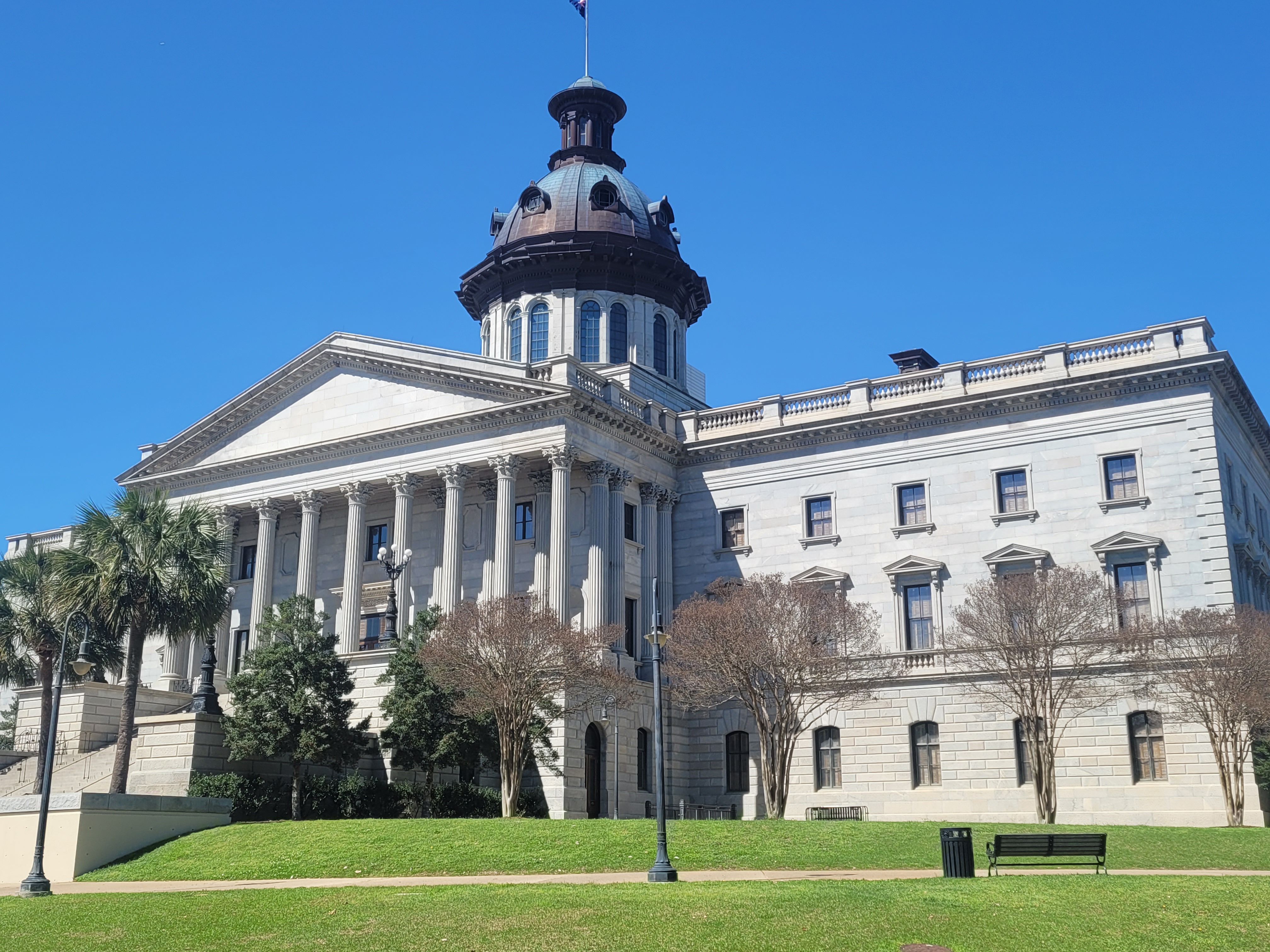
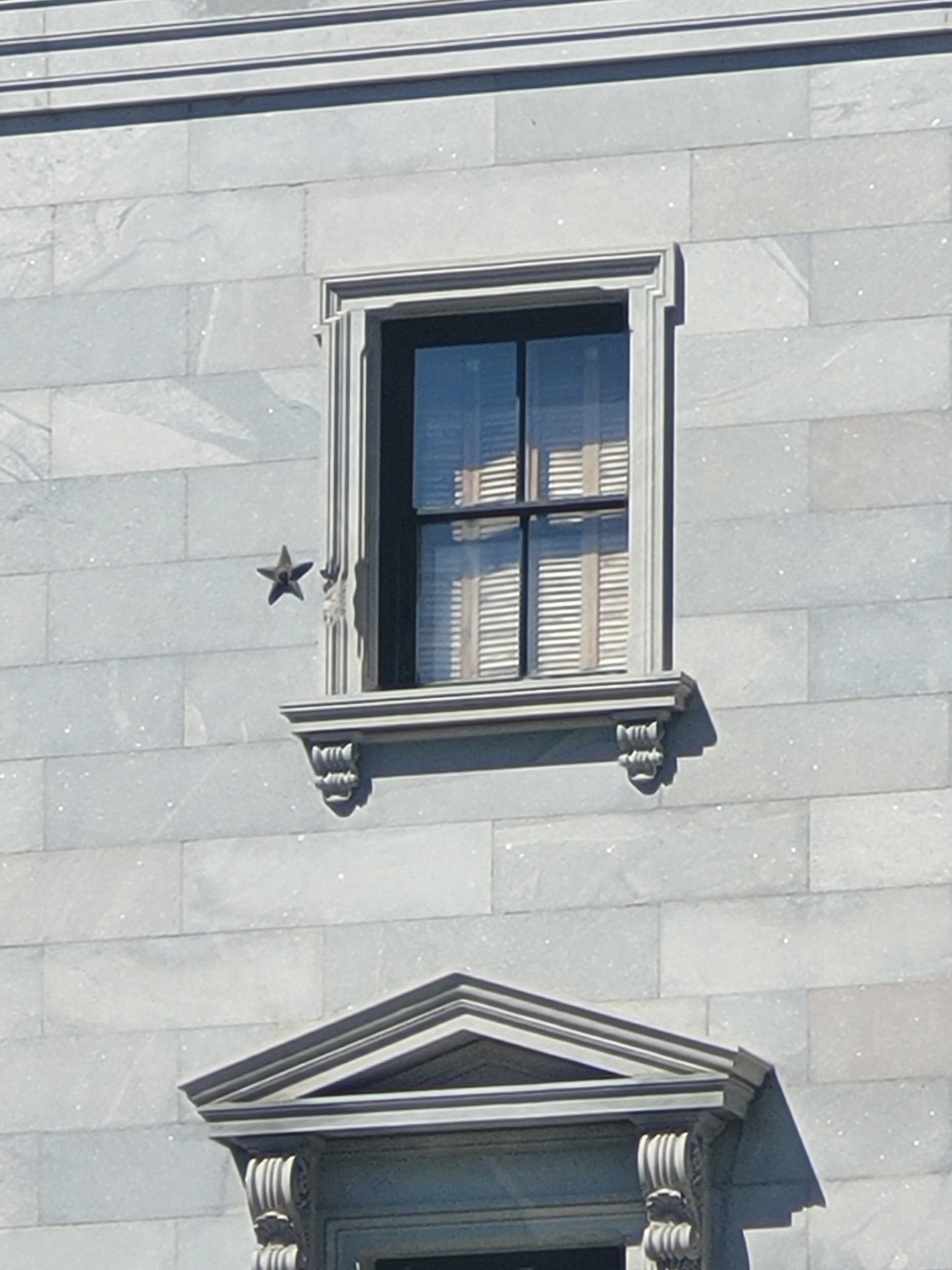
Hopping on a guided tour, visitors were taken to common areas of the building and were allowed to peer into the House and Senate chambers. The guide explained the stages of construction and unique aspects of the building. For instance, there is an office for a “House Nurse” on duty when school trips are scheduled, and congress members are in session. Also, from the balcony of the top floor, guests can view the library.
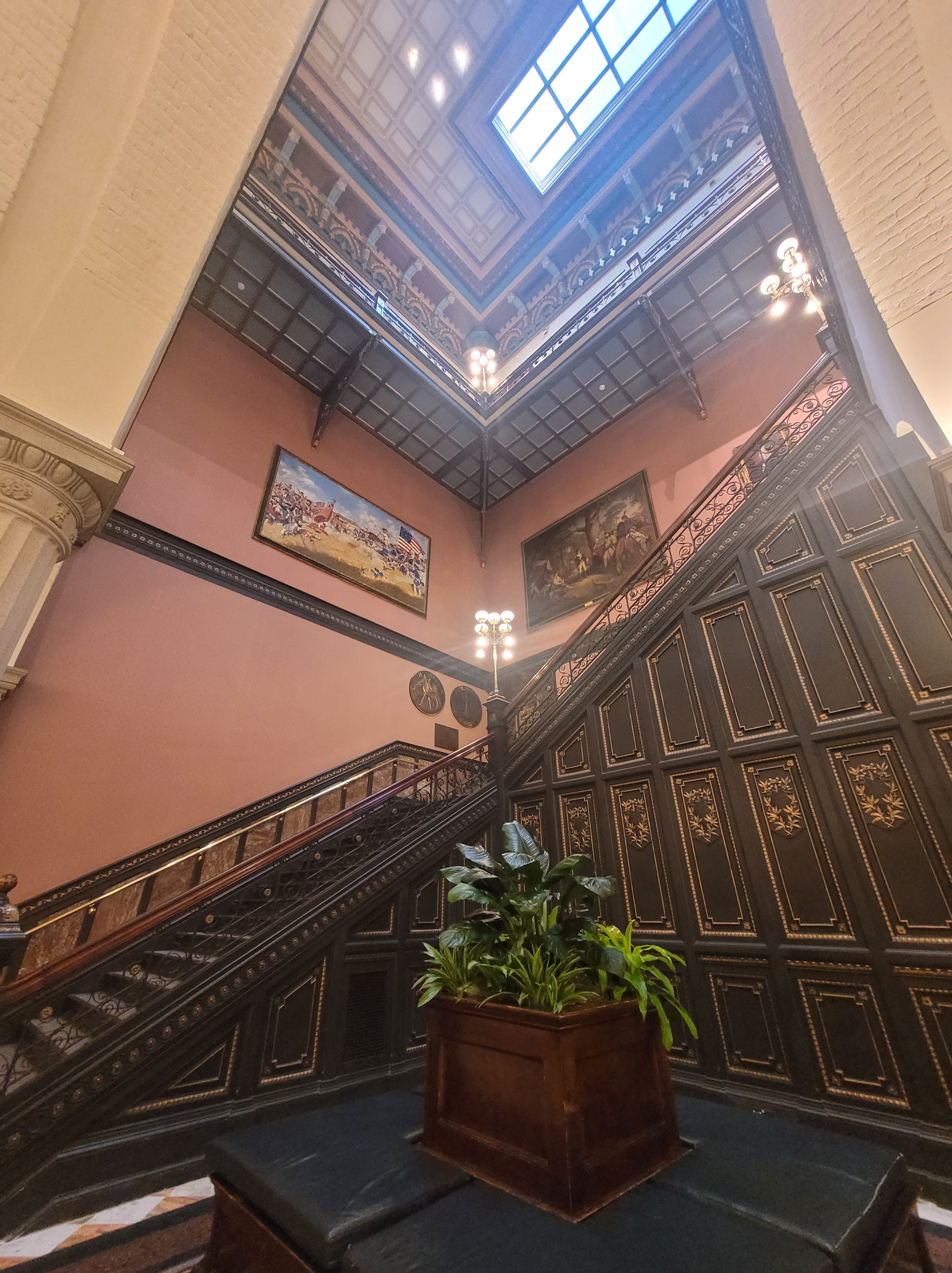
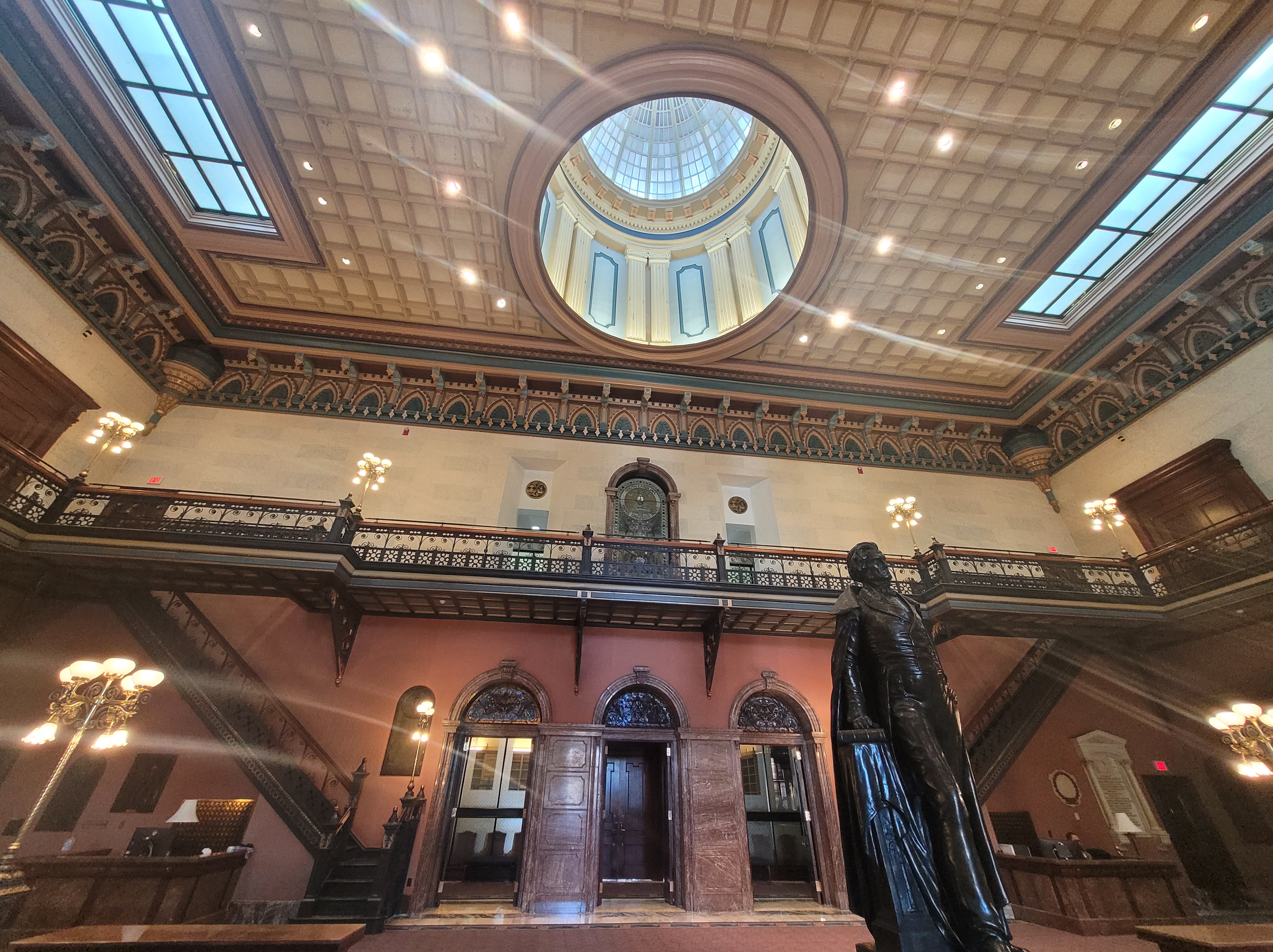
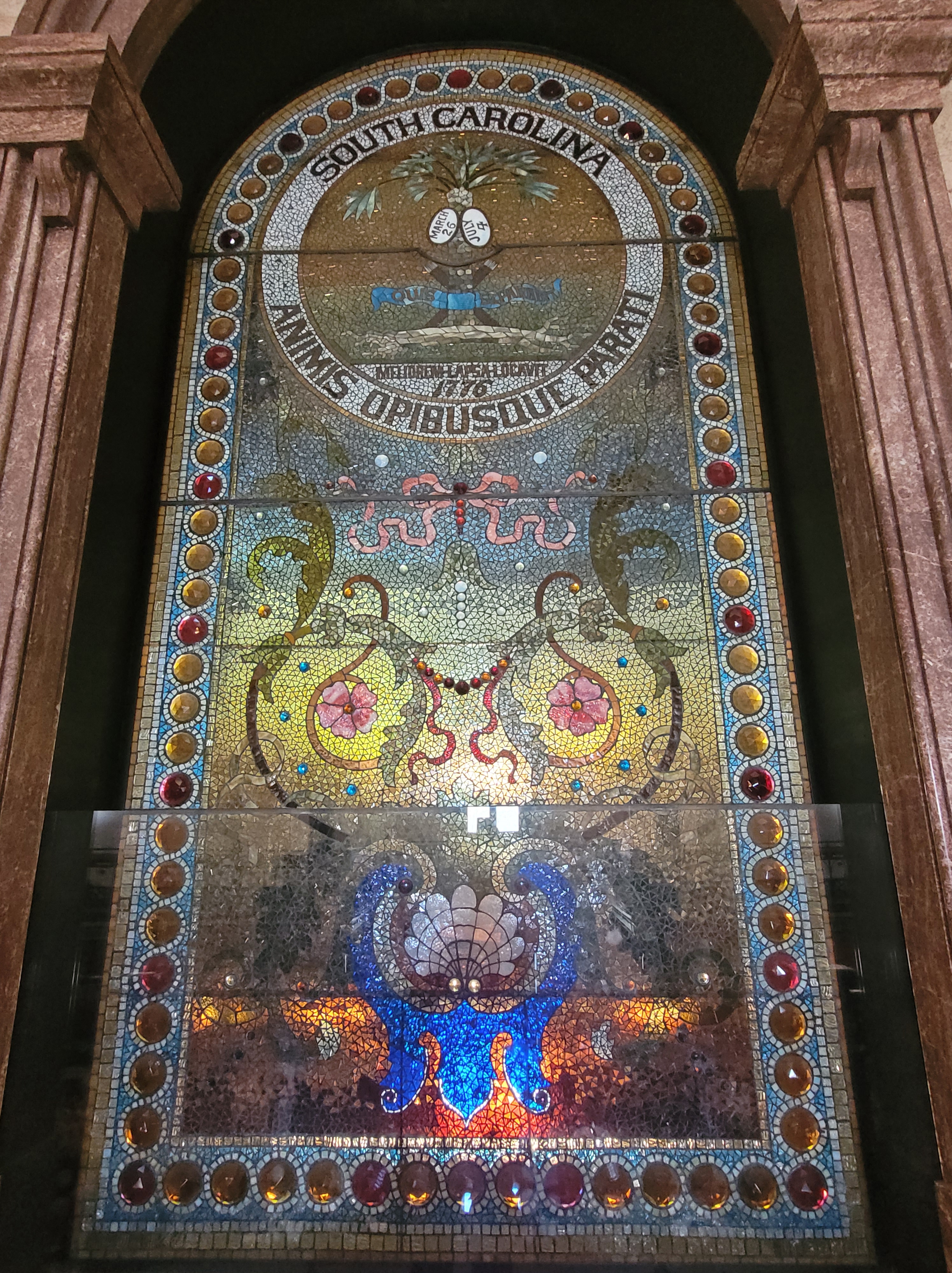
Unlike many other capitol buildings, this one contains dark colors that decorate the interior. Whether it is the color of the wood, paint, or fabric, rich options adorn each space. I loved how this building was strikingly different than the typical white stone versions that I usually see in capital cities.
On a semi-unrelated topic, I learned something valuable on this particular day. The small group of visitors that shared my tour reminded me of how many average citizens know little to nothing about how their state or federal government works. I am not saying that I enjoy politics…not even a little…but these adults, with children, were unfamiliar with what happens in their state legislature. These voters may be unaware of how the law process works and how their government may be making decisions that affect them, their families, and their communities.
If I can make one recommendation to the public, it is this: don’t be afraid to visit your capitol building. They are houses of the people. Average citizens should be aware of what business gets done within its walls, the responsibilities of legislators, and ways to get involved to affect change. At the end of the day, the people should hold legislators accountable, but few know how to have their voices heard. Capitol buildings are often historical and beautiful, but they are (usually) true places of business. We must not forget how long it took for women to attain the right to vote or how long it took for minorities to hold various offices. Make visiting a state capitol a weekend trip for children to get them interested enough to care about how to shape the future of your local area. Regardless of your level of interest, we should all understand how our government works.
 EXPOSED LATITUDES