
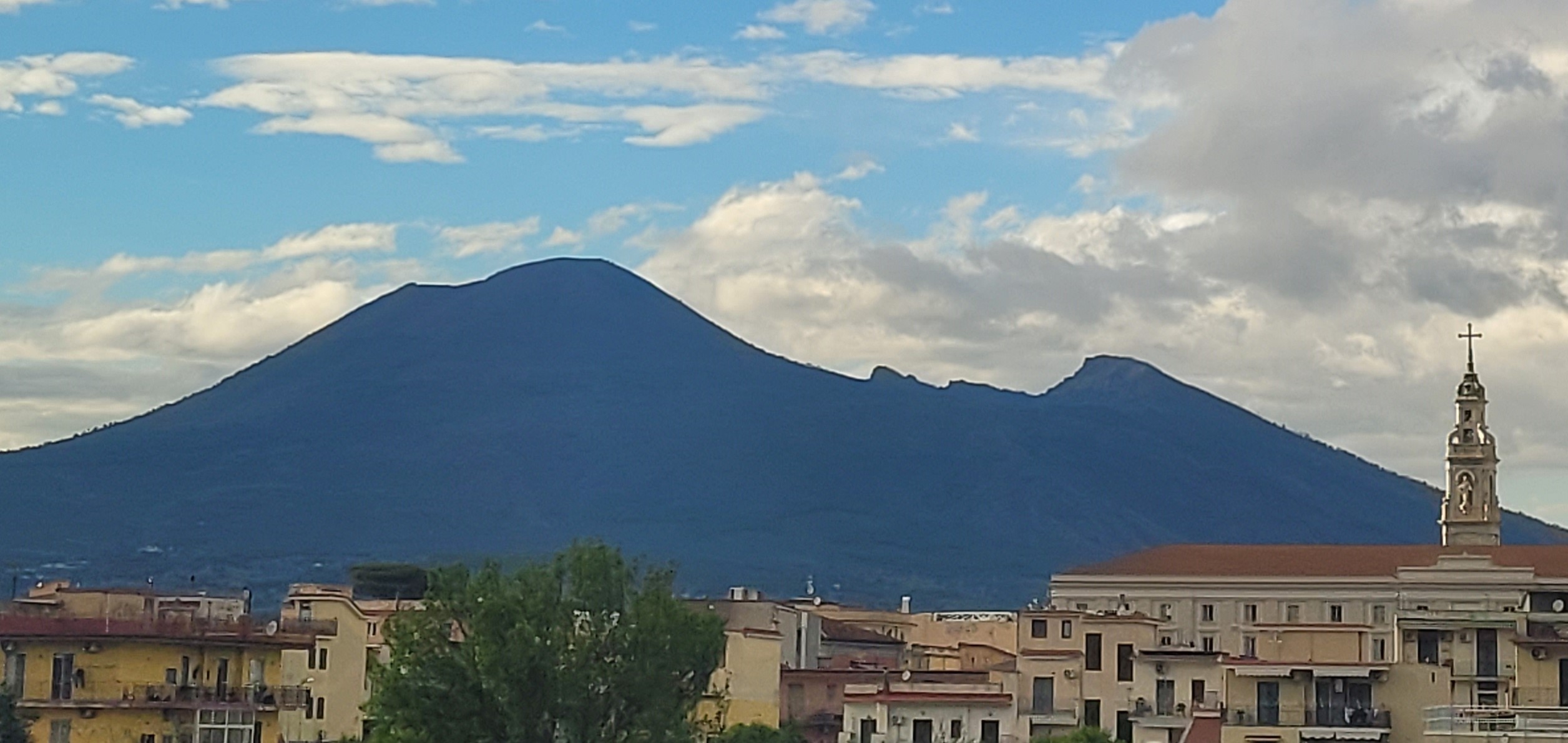
In 79 AD one of the deadliest volcanic eruptions in history occurred in the Campania region of Italy. Mount Vesuvius, towering over the surrounding area, exploded. The eruption incinerated much of the city of Pompeii. It buried the ruins under almost 20 feet of ash and debris. However, another city was also destroyed during that eruption.
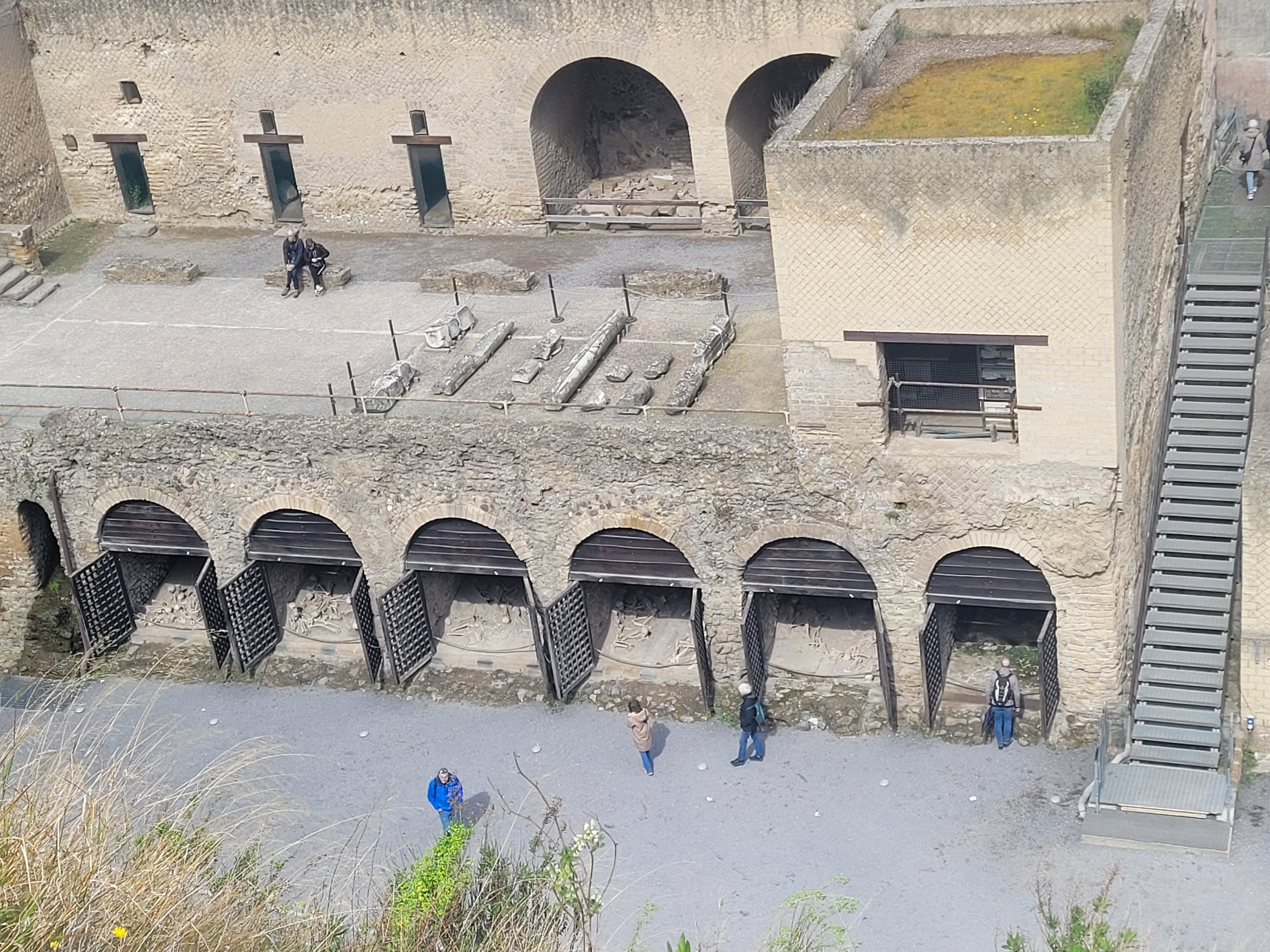
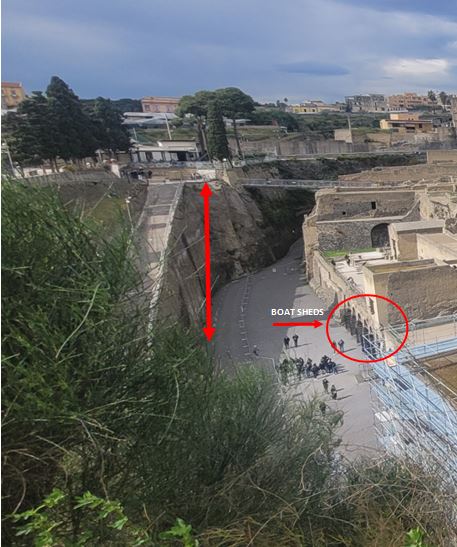
The city of Herculaneum sits closer to Mount Vesuvius than Pompeii. While Pompeii was buried under hot ash and pumice, Herculaneum was buried under slower-falling ash and volcanic mud. It was amazing to see the difference between the two cities. Parts of the city were buried under 75 feet of debris and mud. Visitors learn that the water’s edge used to be at the boat sheds. This illustrates the immense amount of debris that was piled on top of the city. Some townspeople took refuge there and lost their lives.
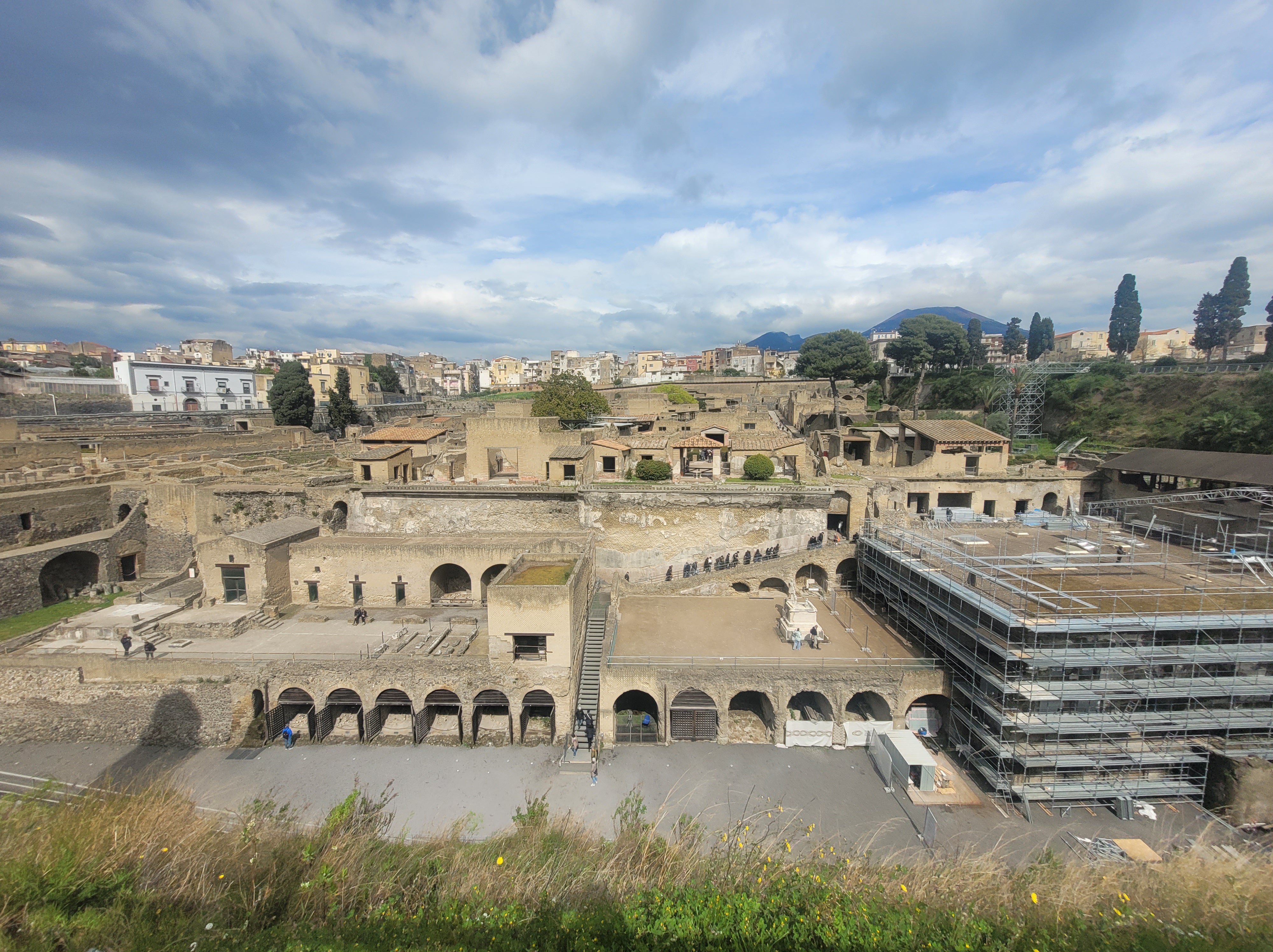
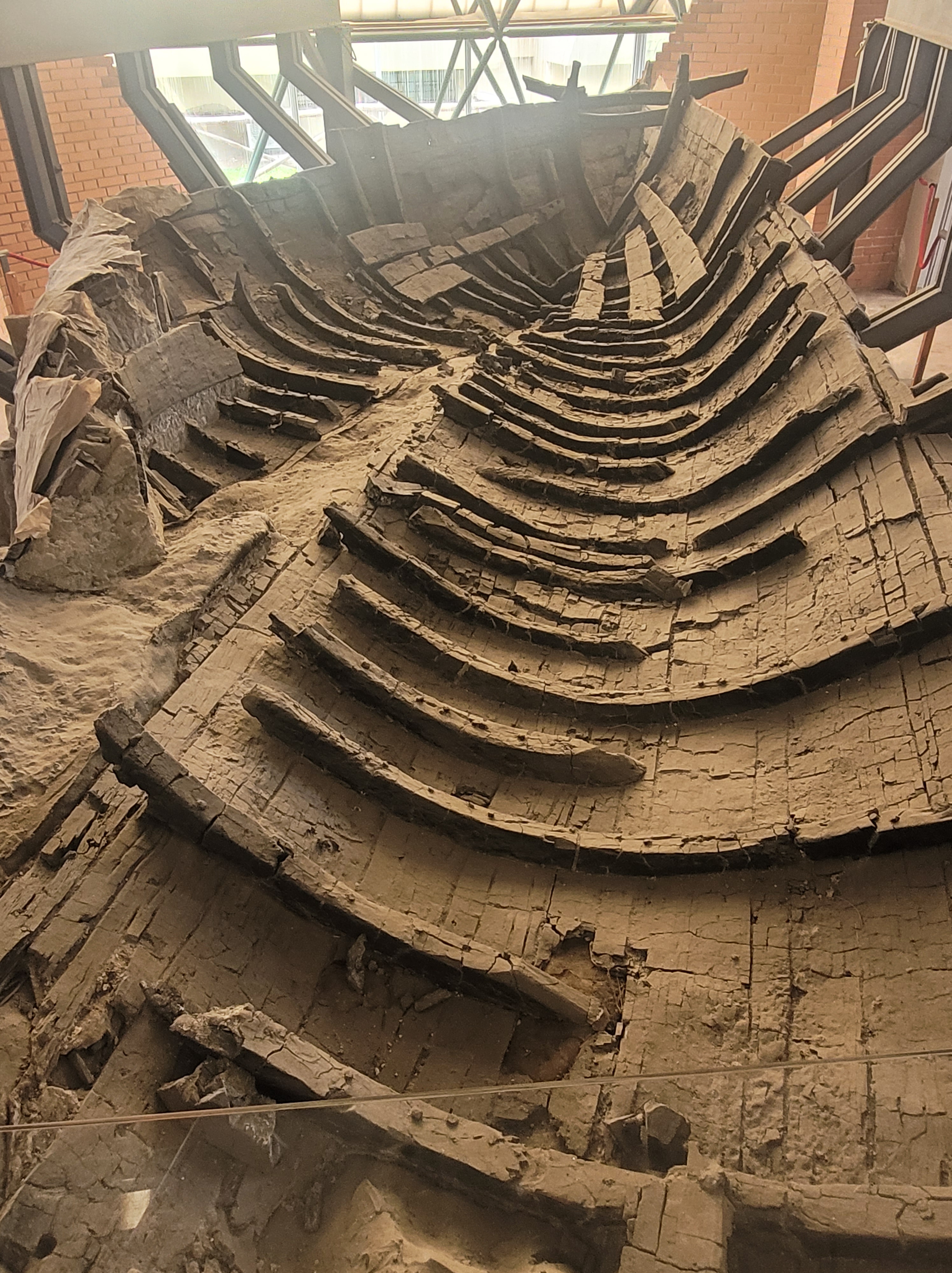
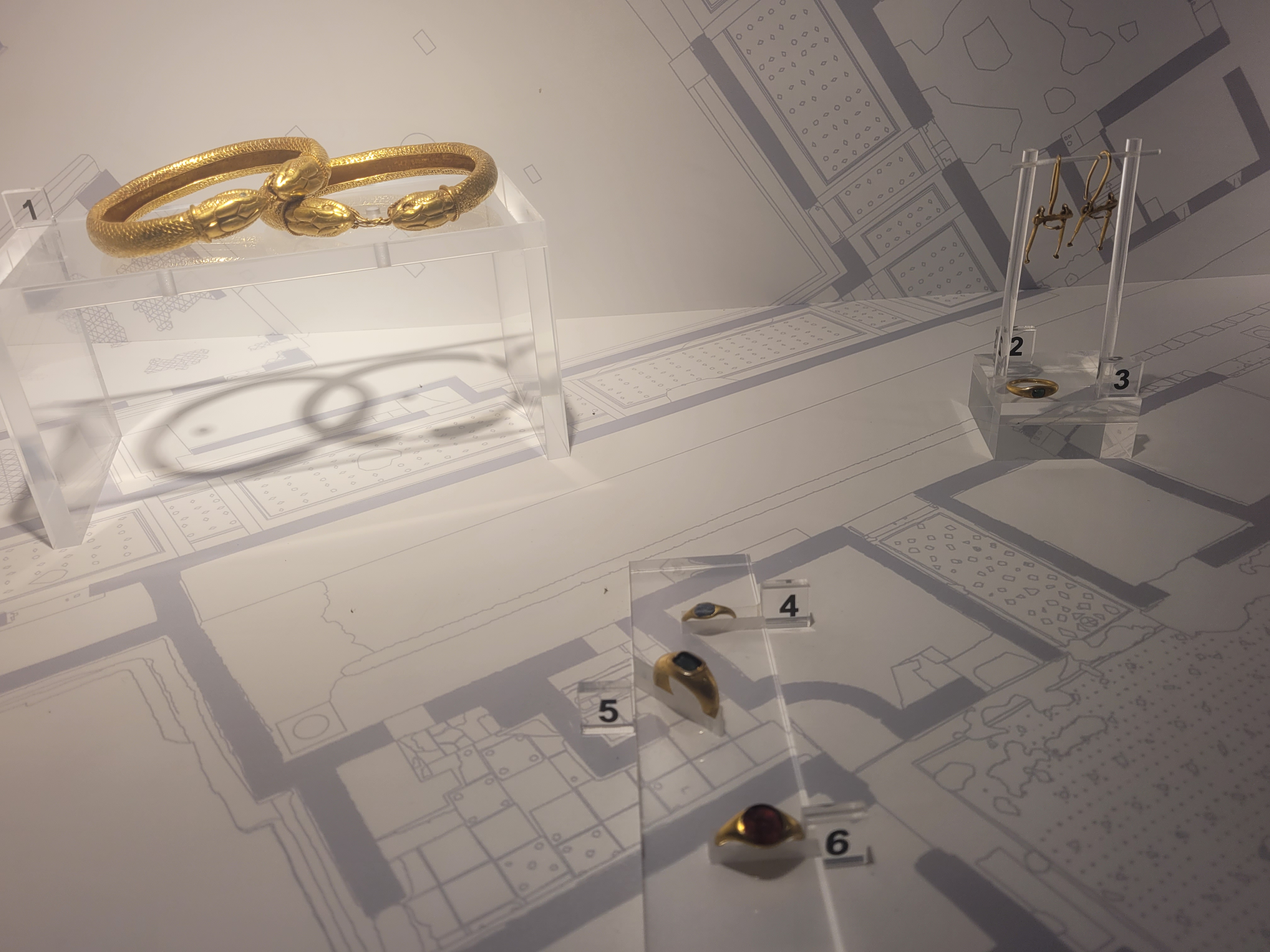
Visitors can see recovered items in the museum building. These include a 2,000-year-old boat and other finds. Afterward, they can descend into the old city.

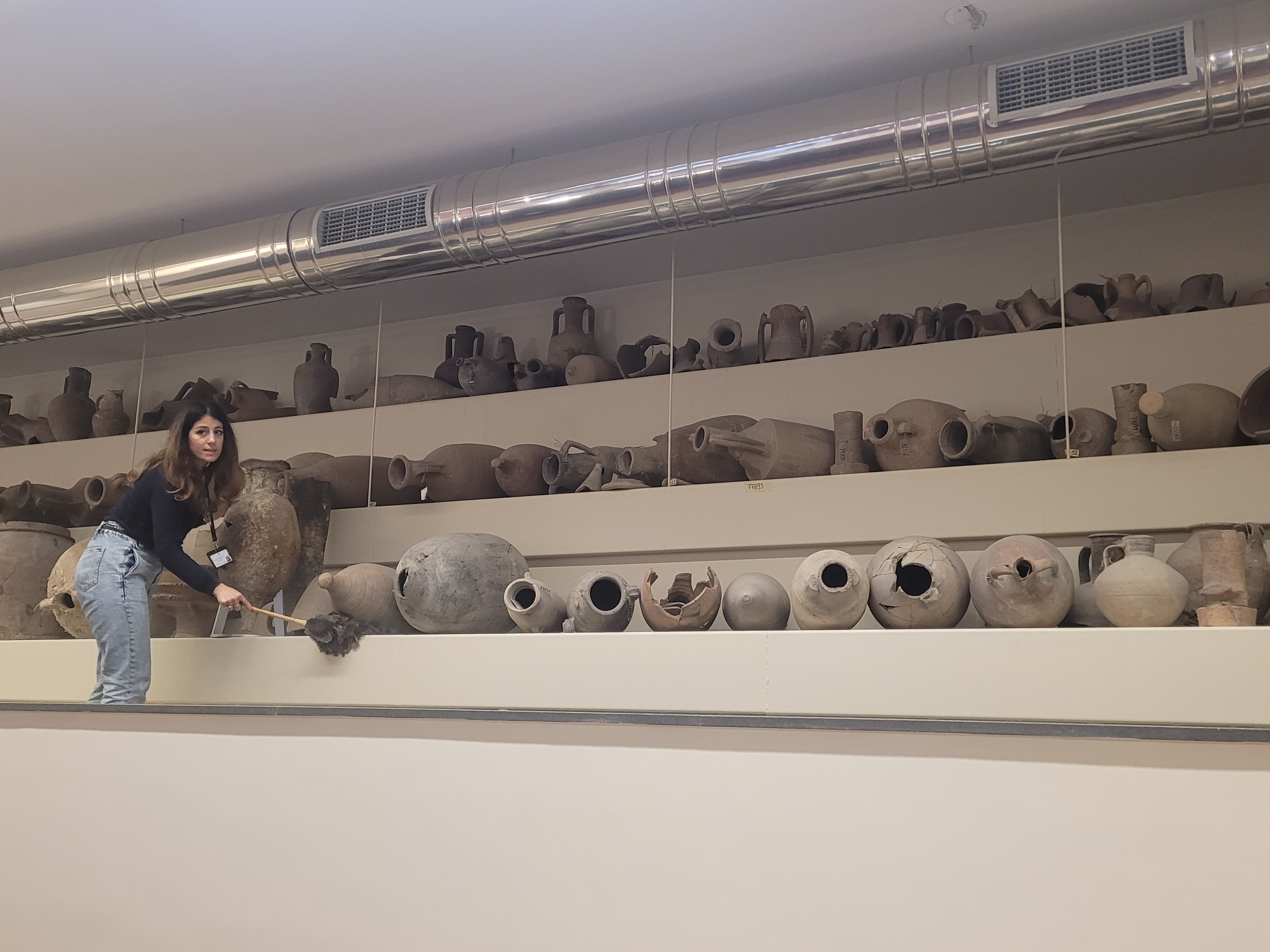
Restoration work continues and professionals were working in a few locations within the site.
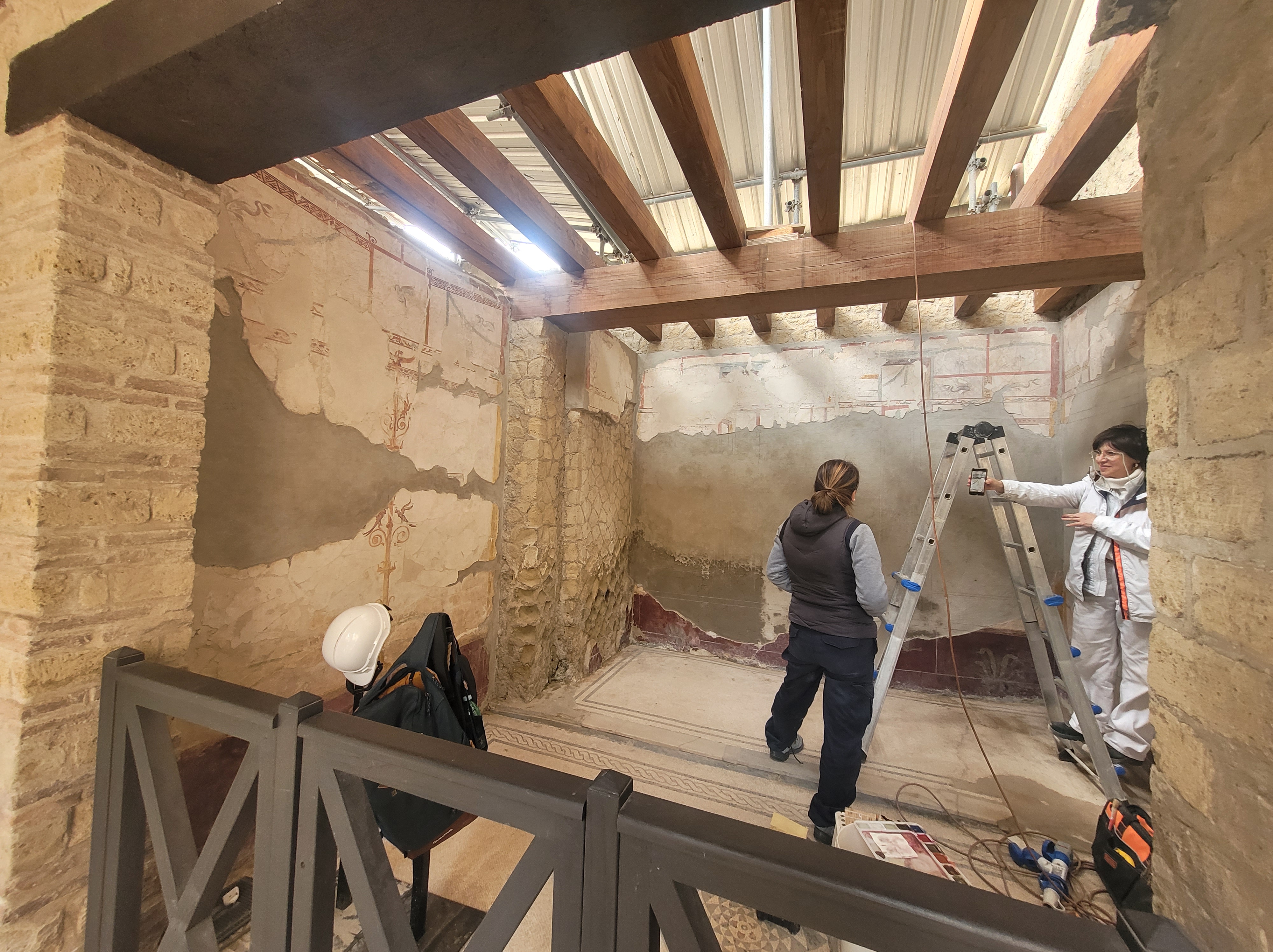
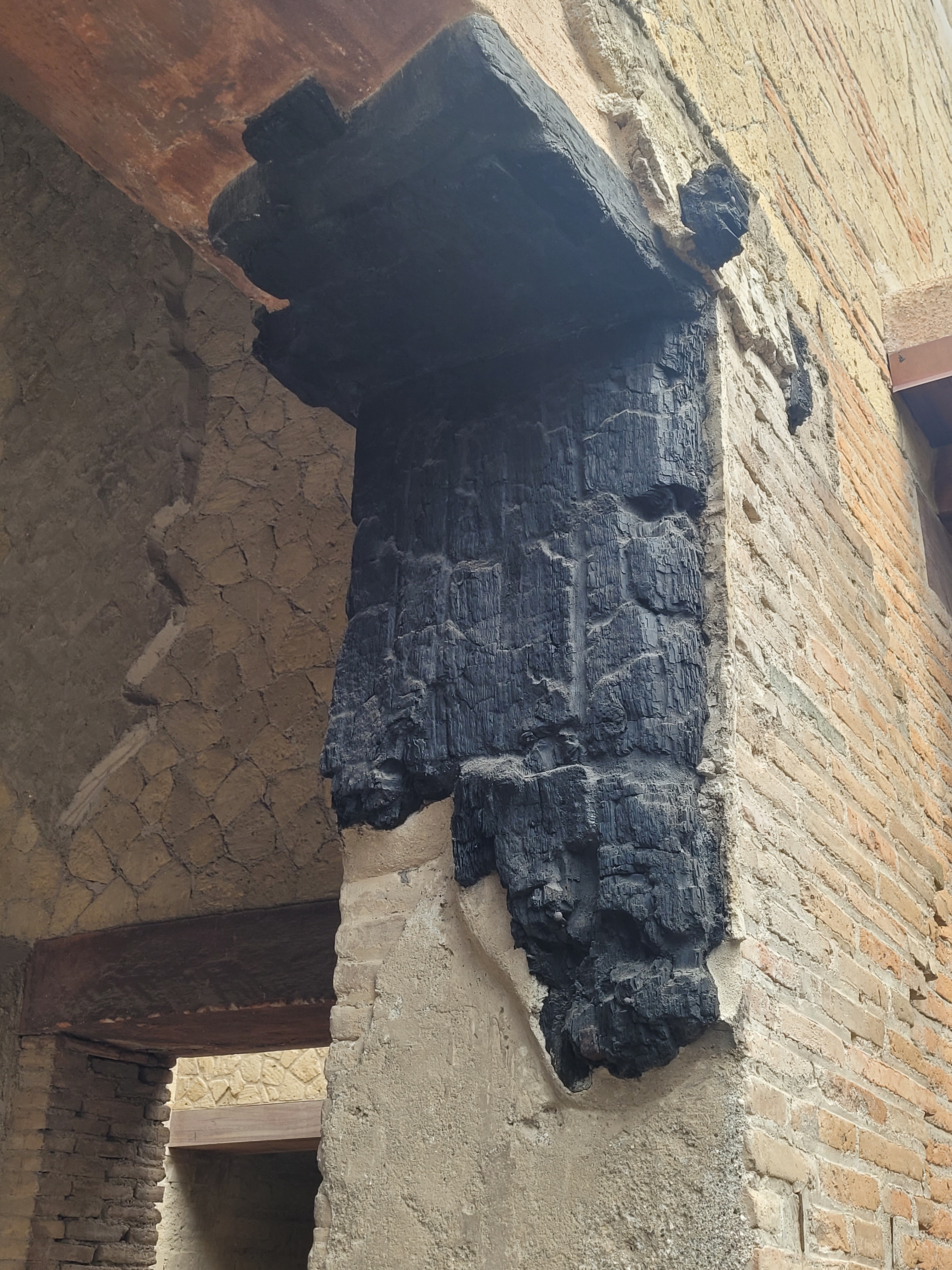
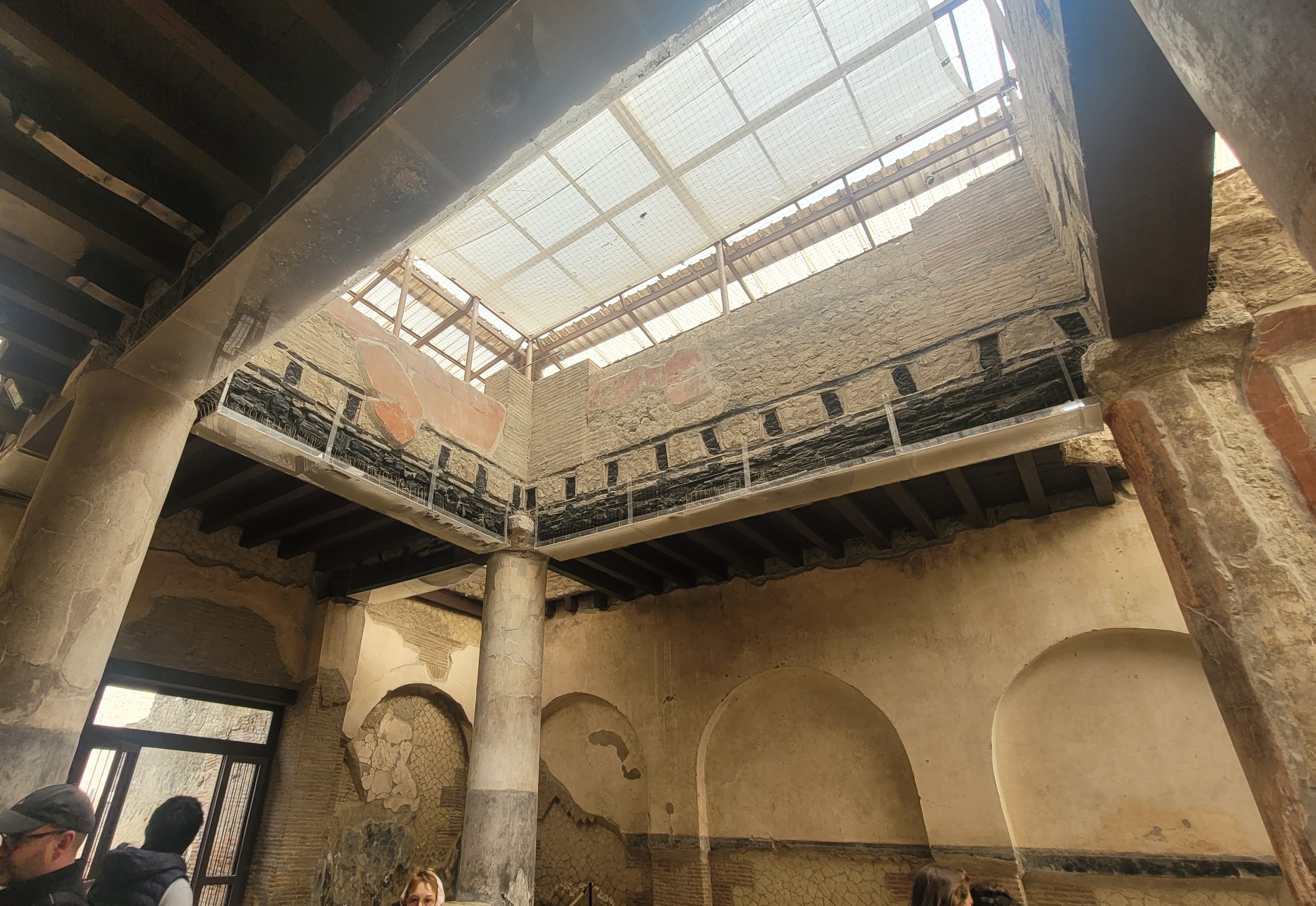
Something you won’t find in Pompeii is wooden structures, which would have burned. In Herculaneum, we saw remnants of charred wooden supports and door frames in many locations.
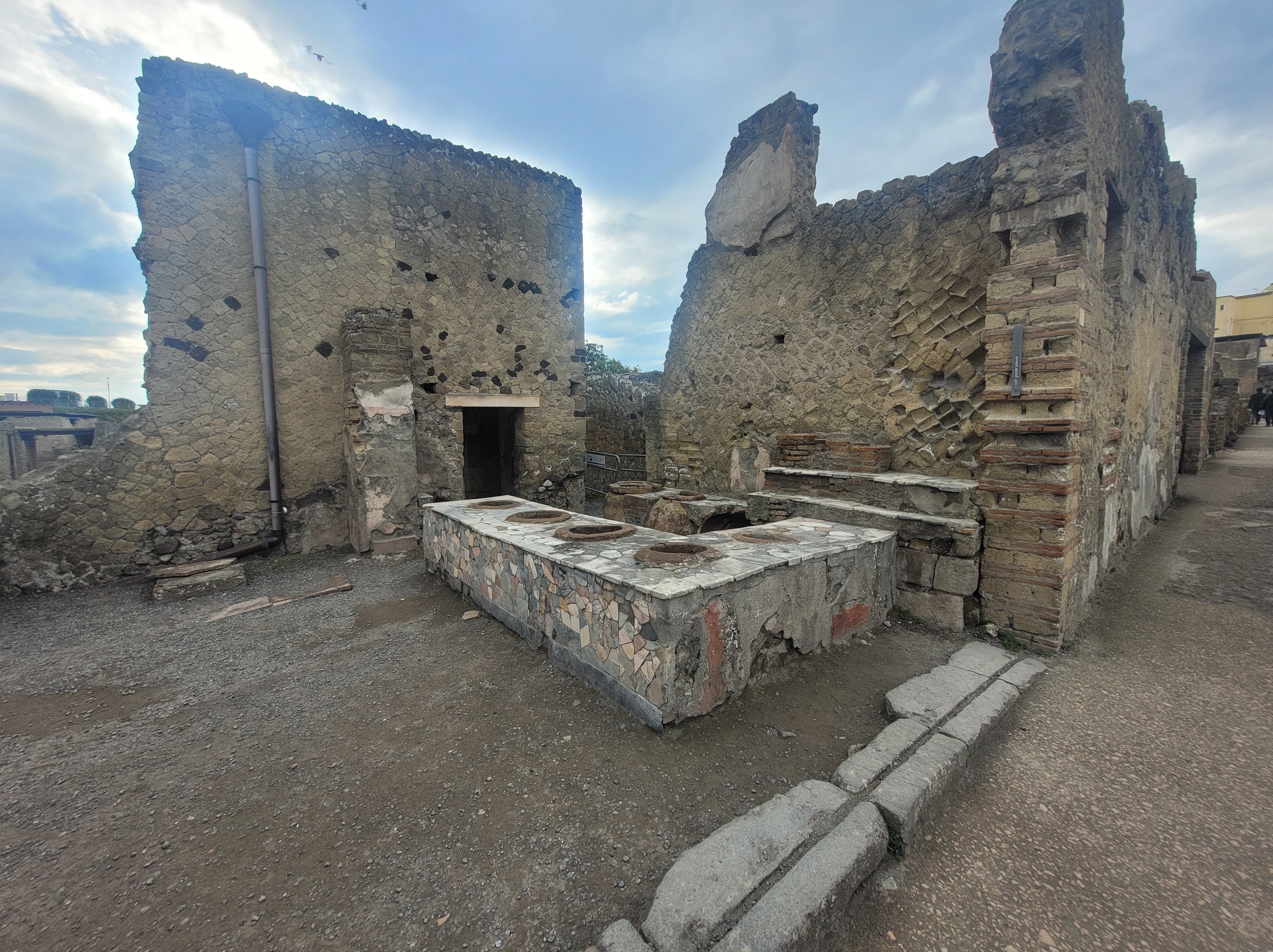
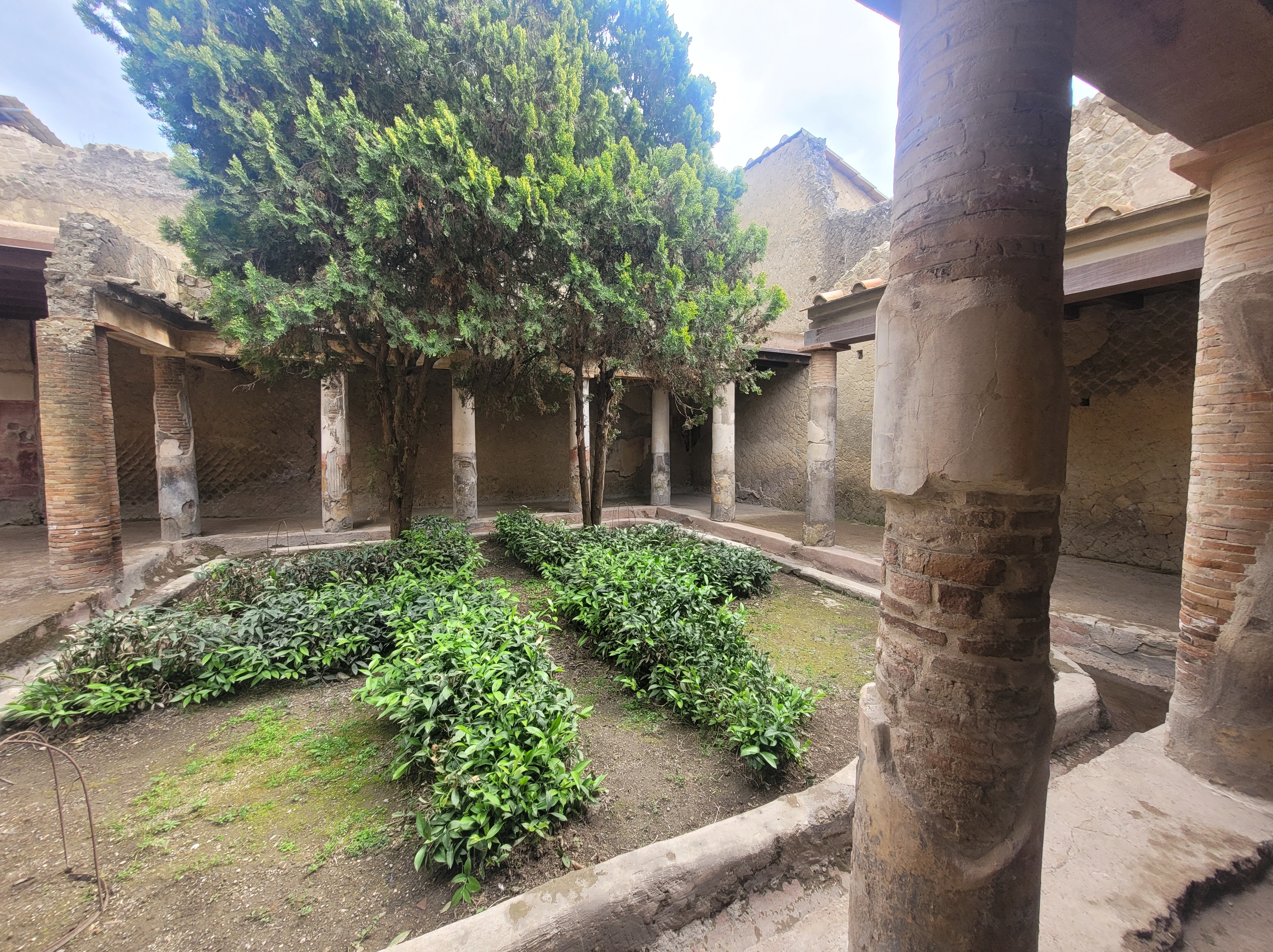
Similar to Pompeii, Herculaneum also had fast food locations, courtyards, and beautiful streets with street signs intact.
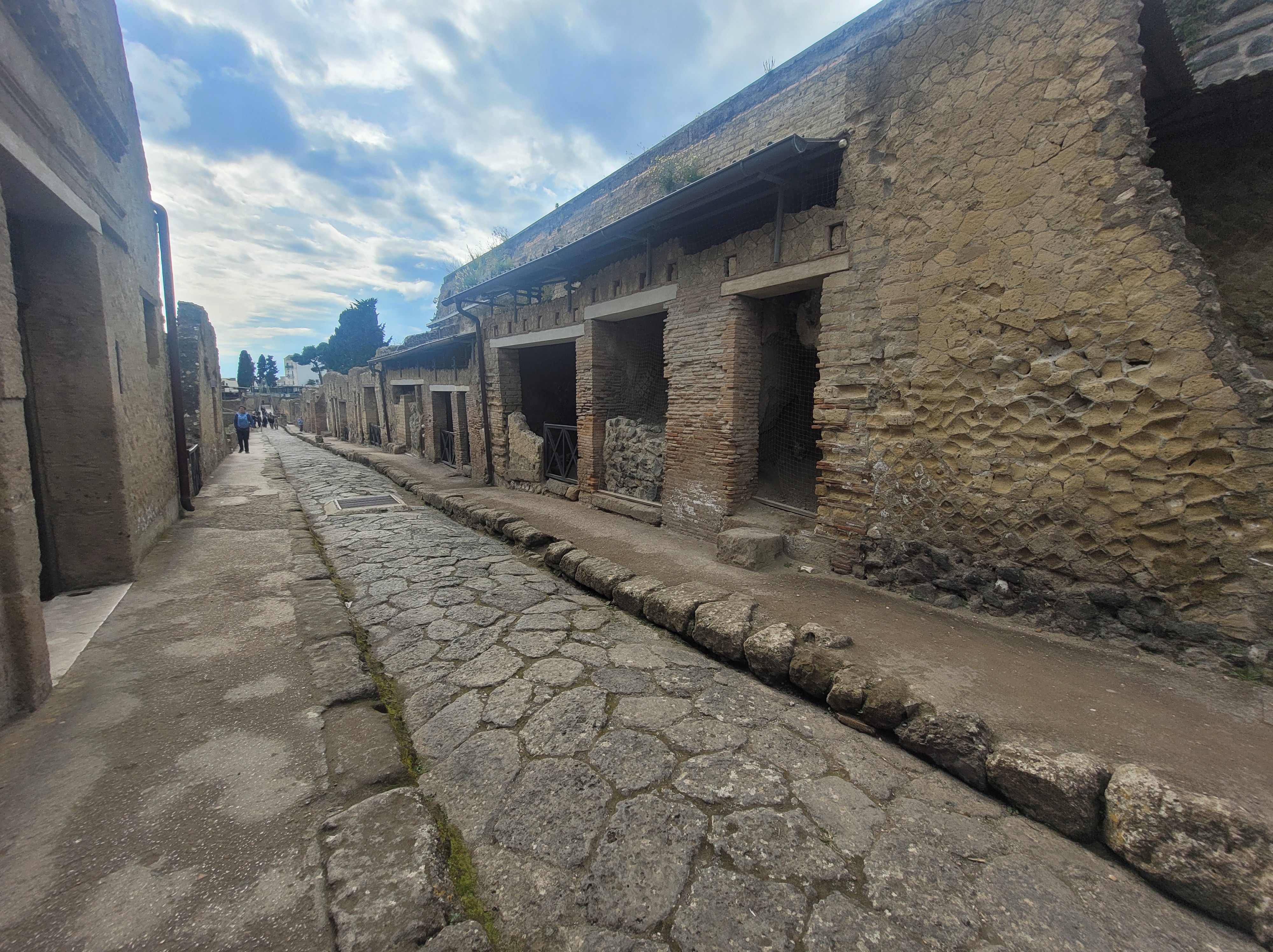
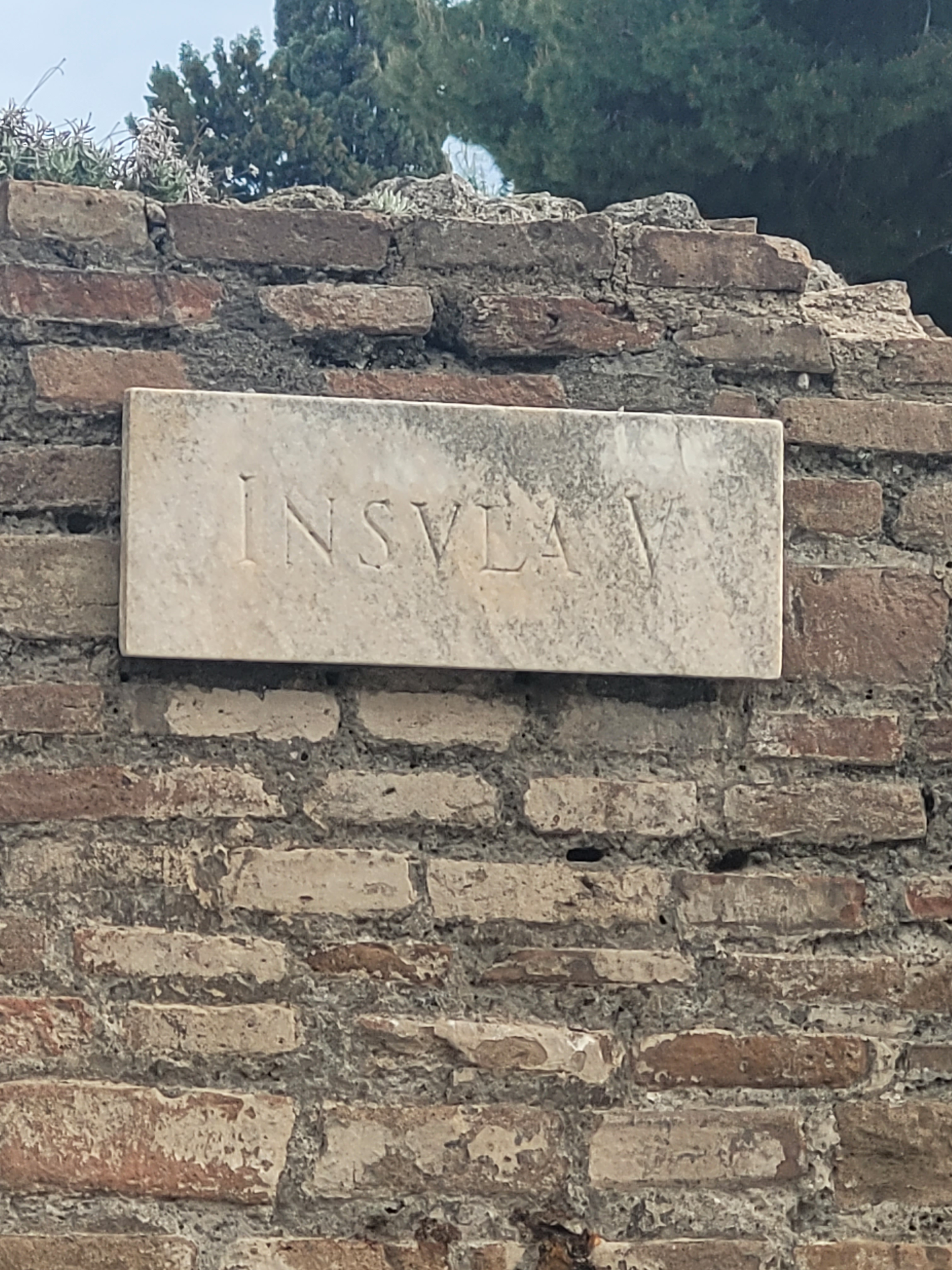
There was a great deal to see at this location. I stopped by the trinket stands before leaving. I purchased a pair of black lava rock earrings to commemorate the visit. If you are near Naples, this is a day trip that you should not miss.
 EXPOSED LATITUDES