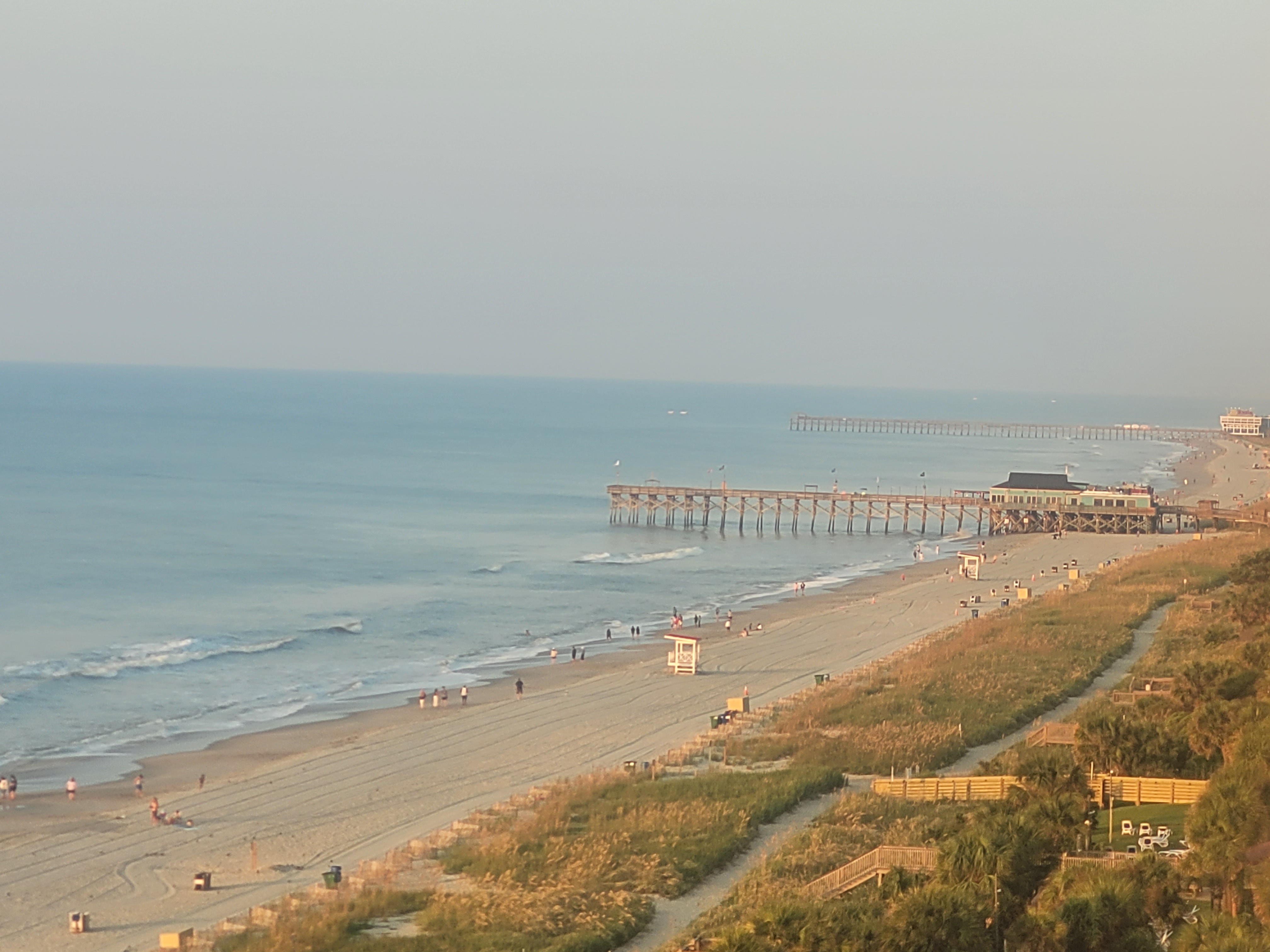
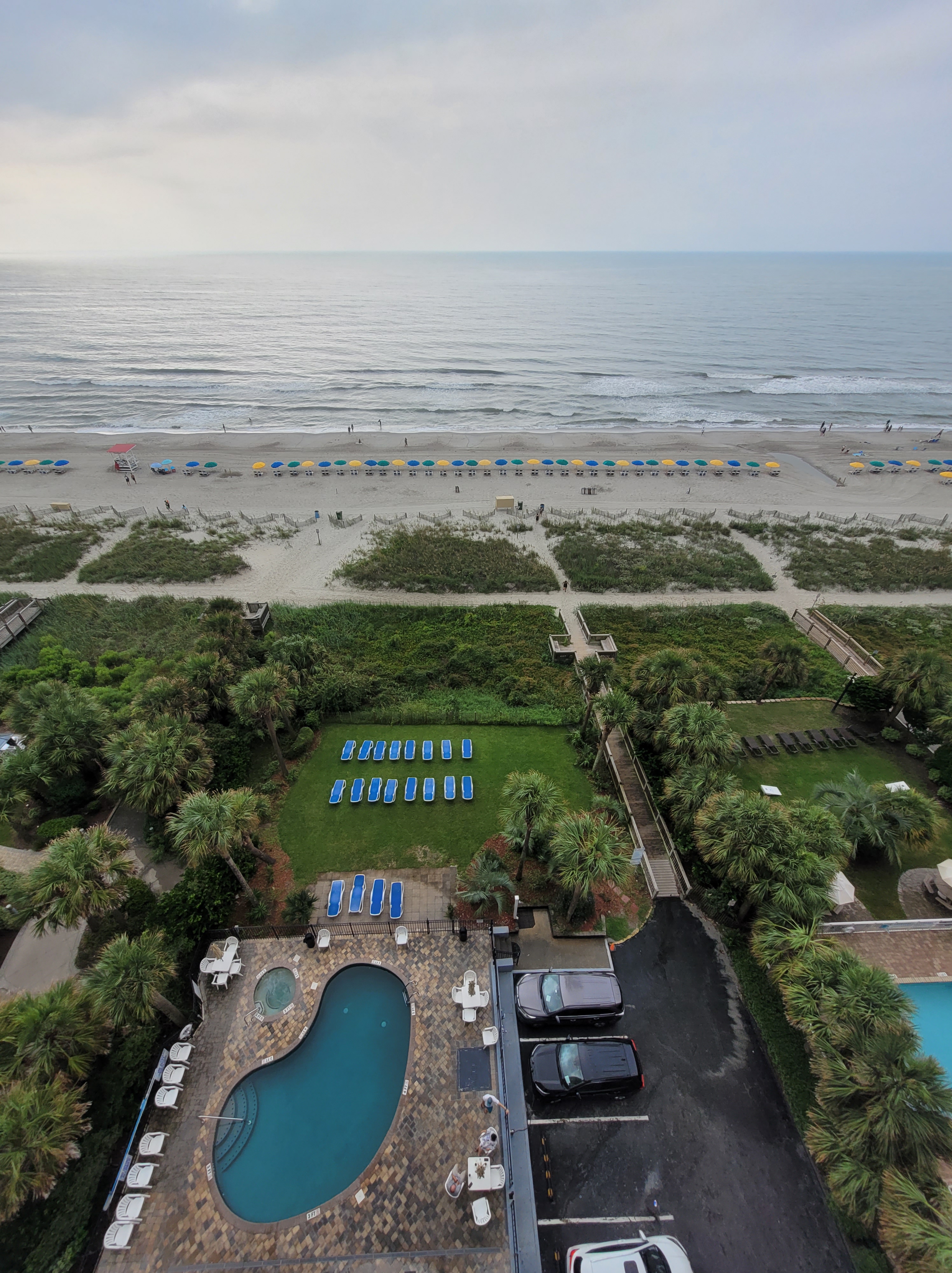
Living in a valley surrounded by mountains can be quaint, peaceful, and romantic. Yet, I’ll never pass up time to spend on a beach! Towards the end of summer, I had the opportunity to spend six days in Myrtle Beach, and it was glorious. I had a beautiful view outside the window and perfect weather for enjoying the sand and waves.
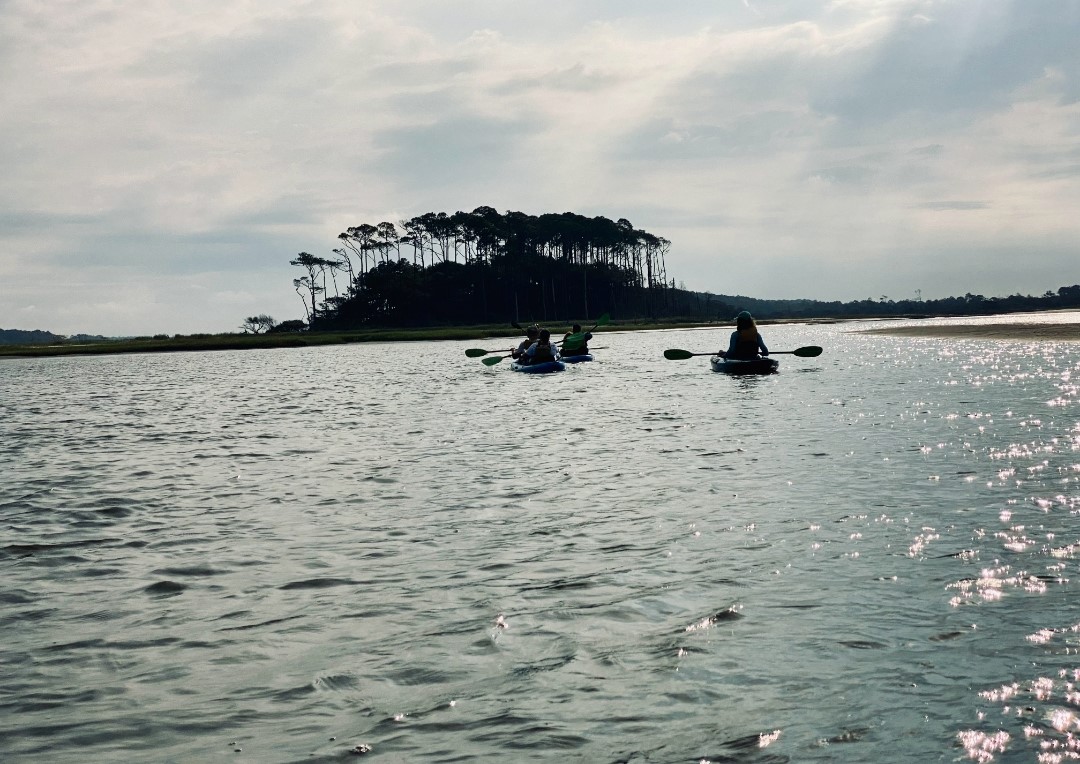
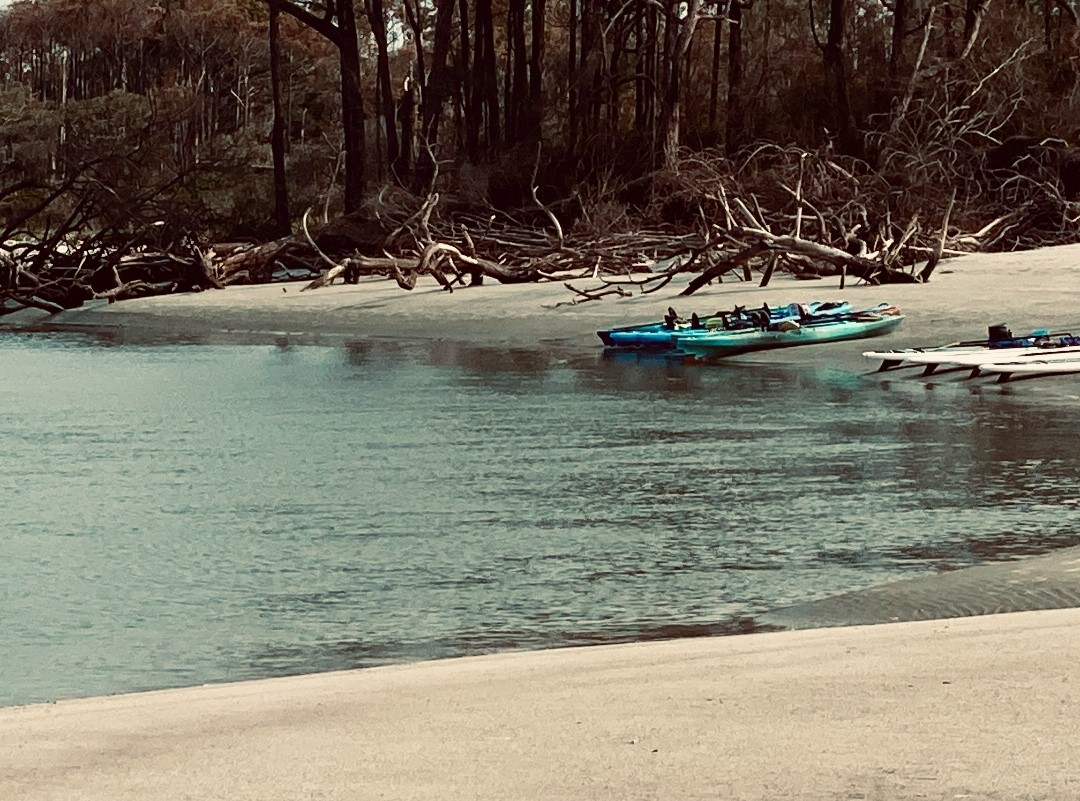
I tried a few new things during my vacation, but kayaking is one of the most memorable activities. We had an early morning departure for our tour. It was cloudy so we did not bake under direct sunlight, making the temperature perfect. About halfway through our trip, our guide led us to an uninhabited island. We parked the boats and had time to explore on foot.
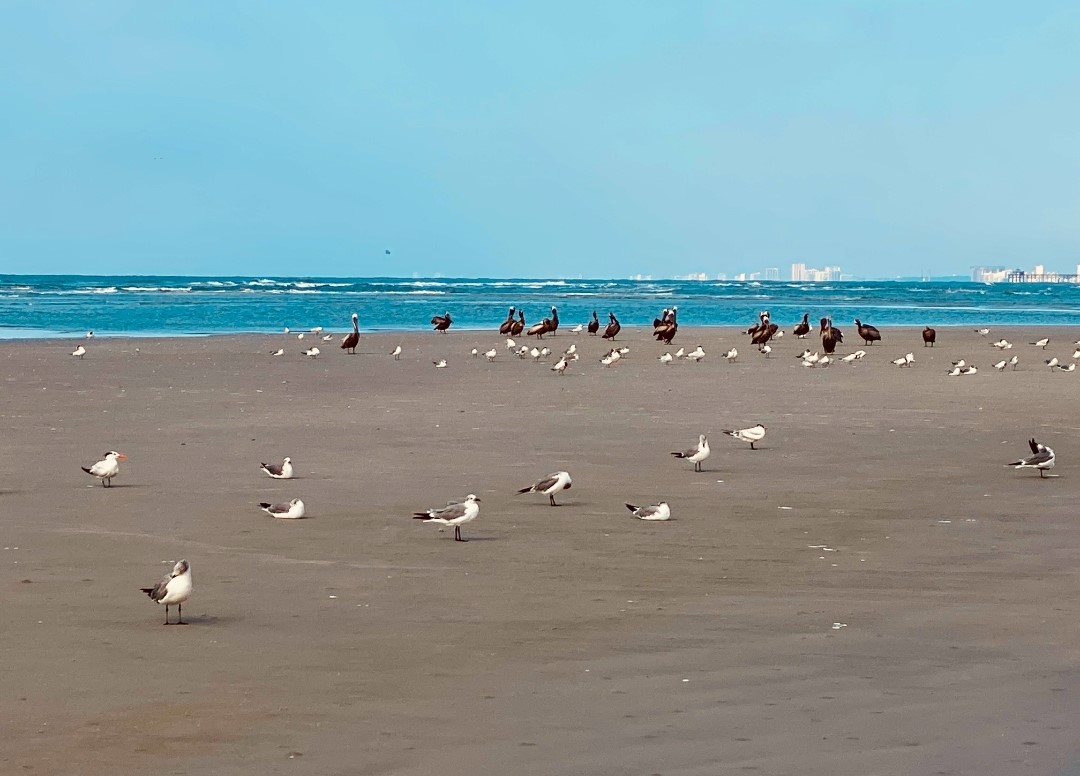
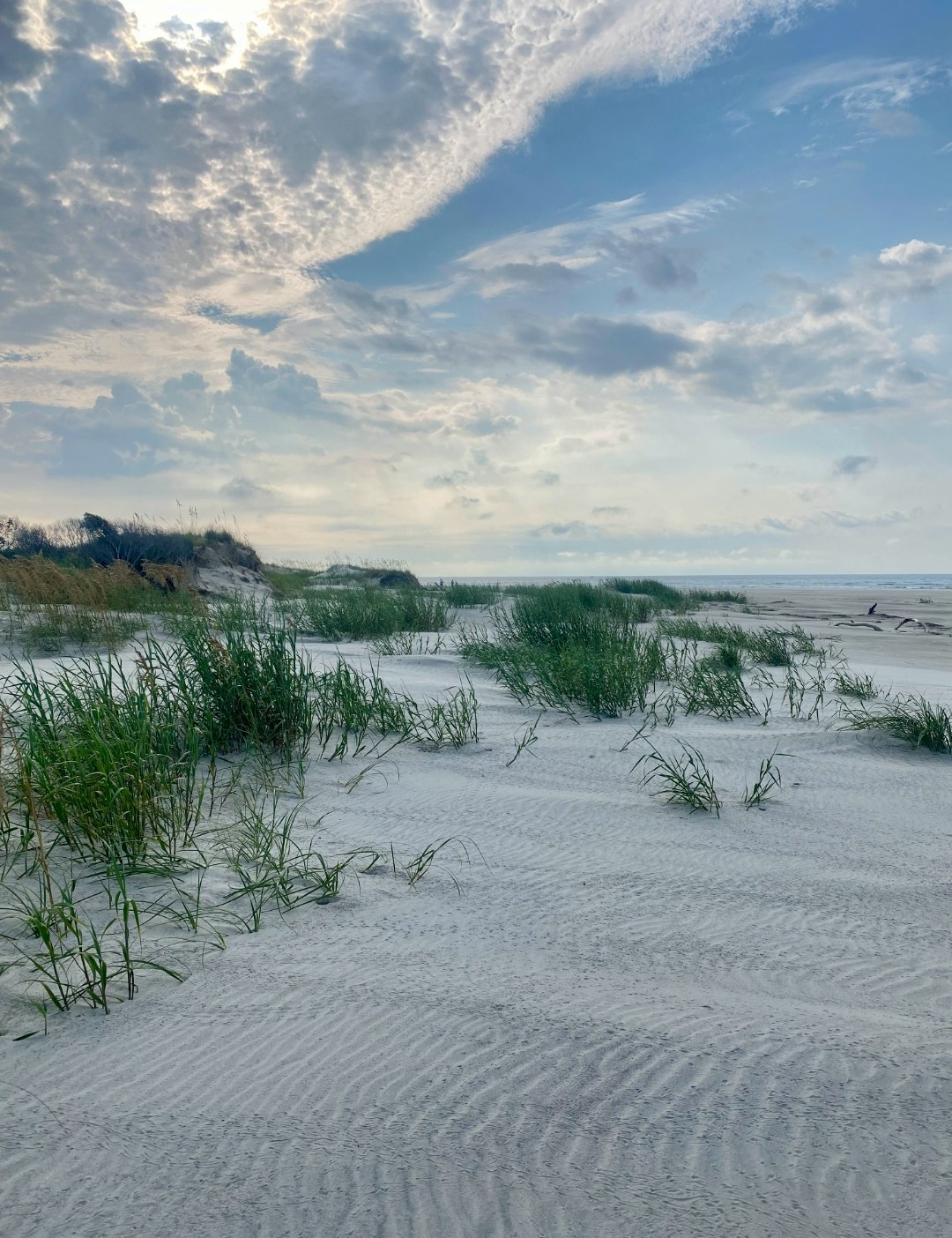
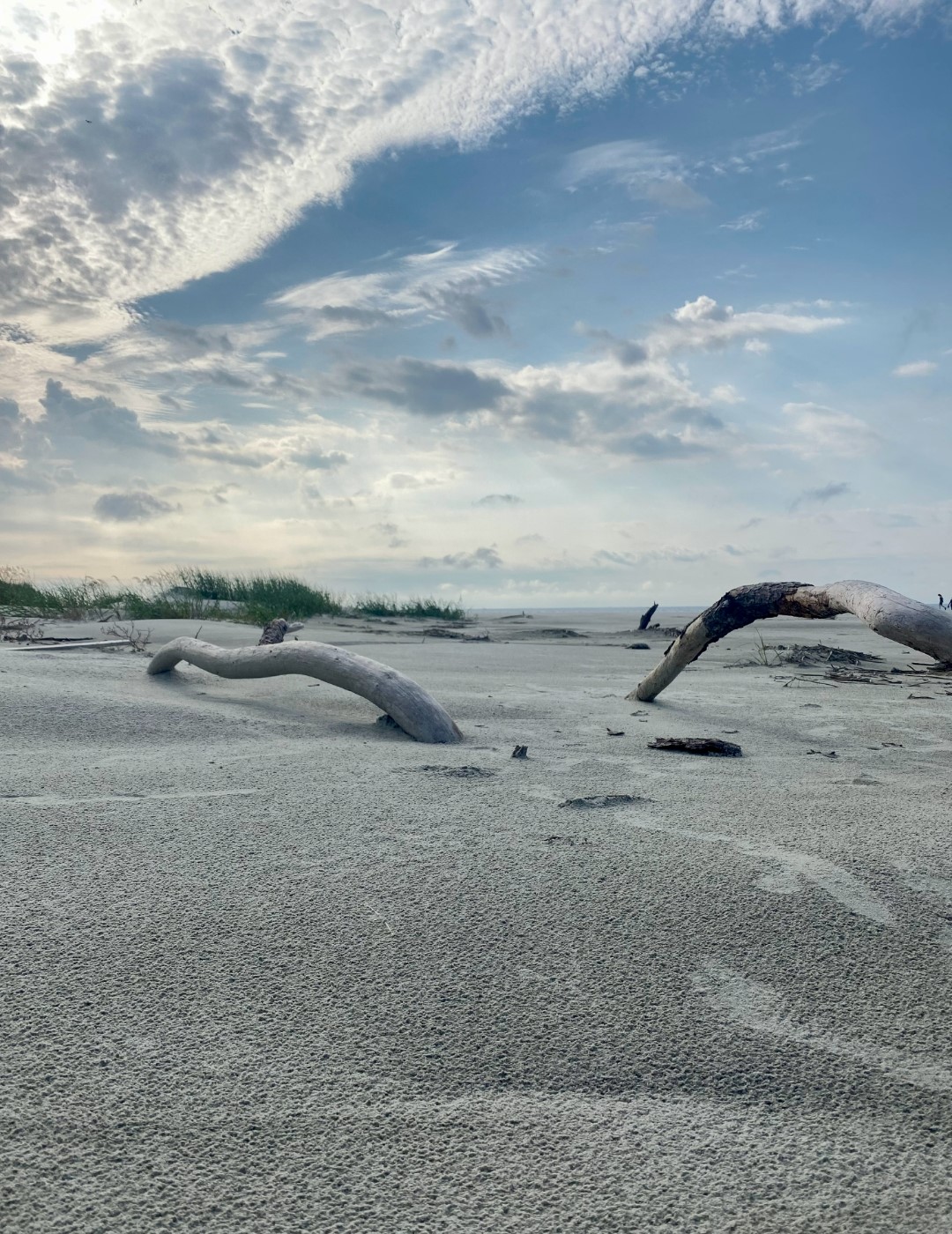
The island was covered with birds and everyone explored the sand looking for sand dollars. The sky and flora were beautiful that day, so we enjoyed taking pictures and walking to the surf.
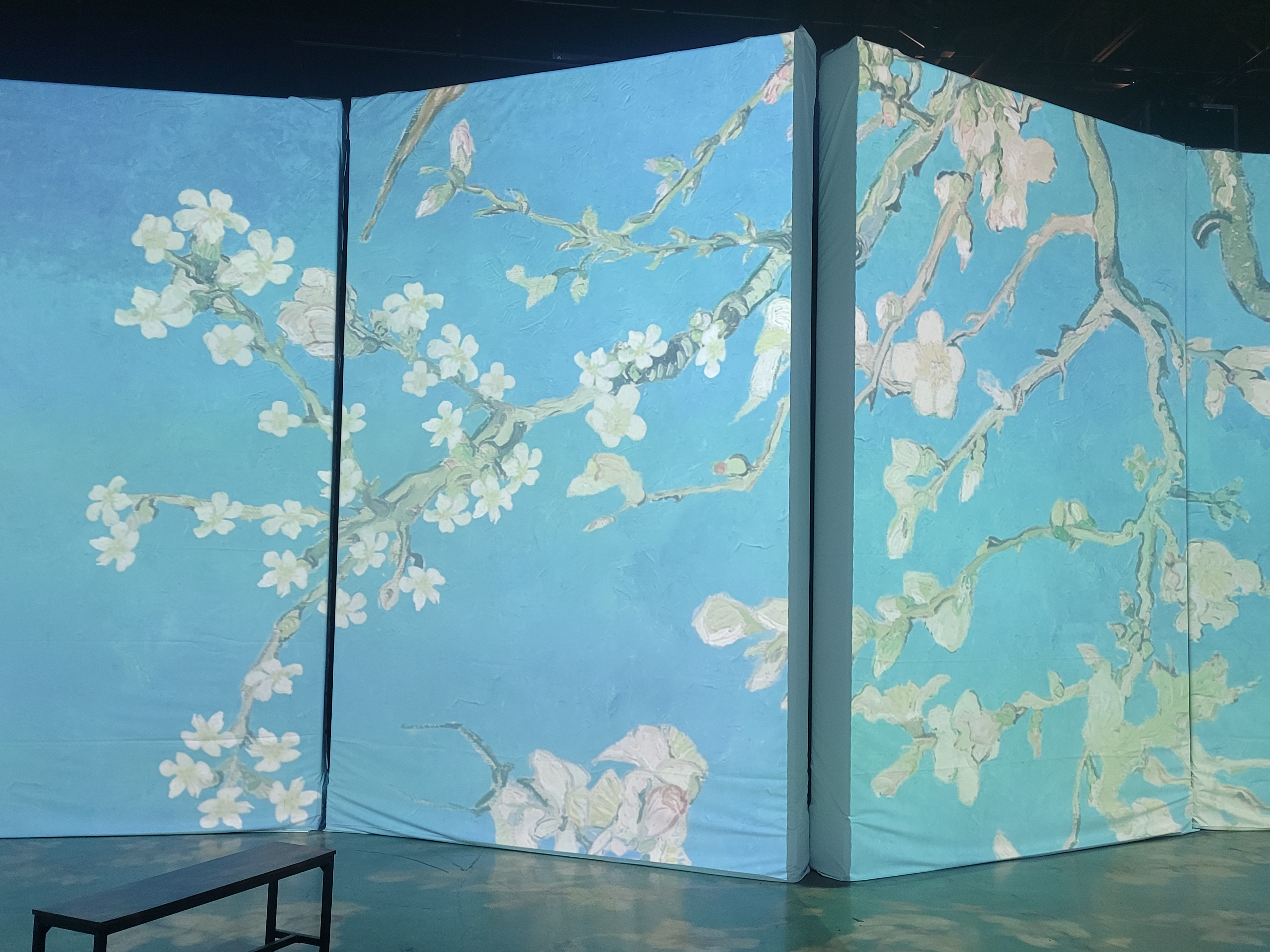
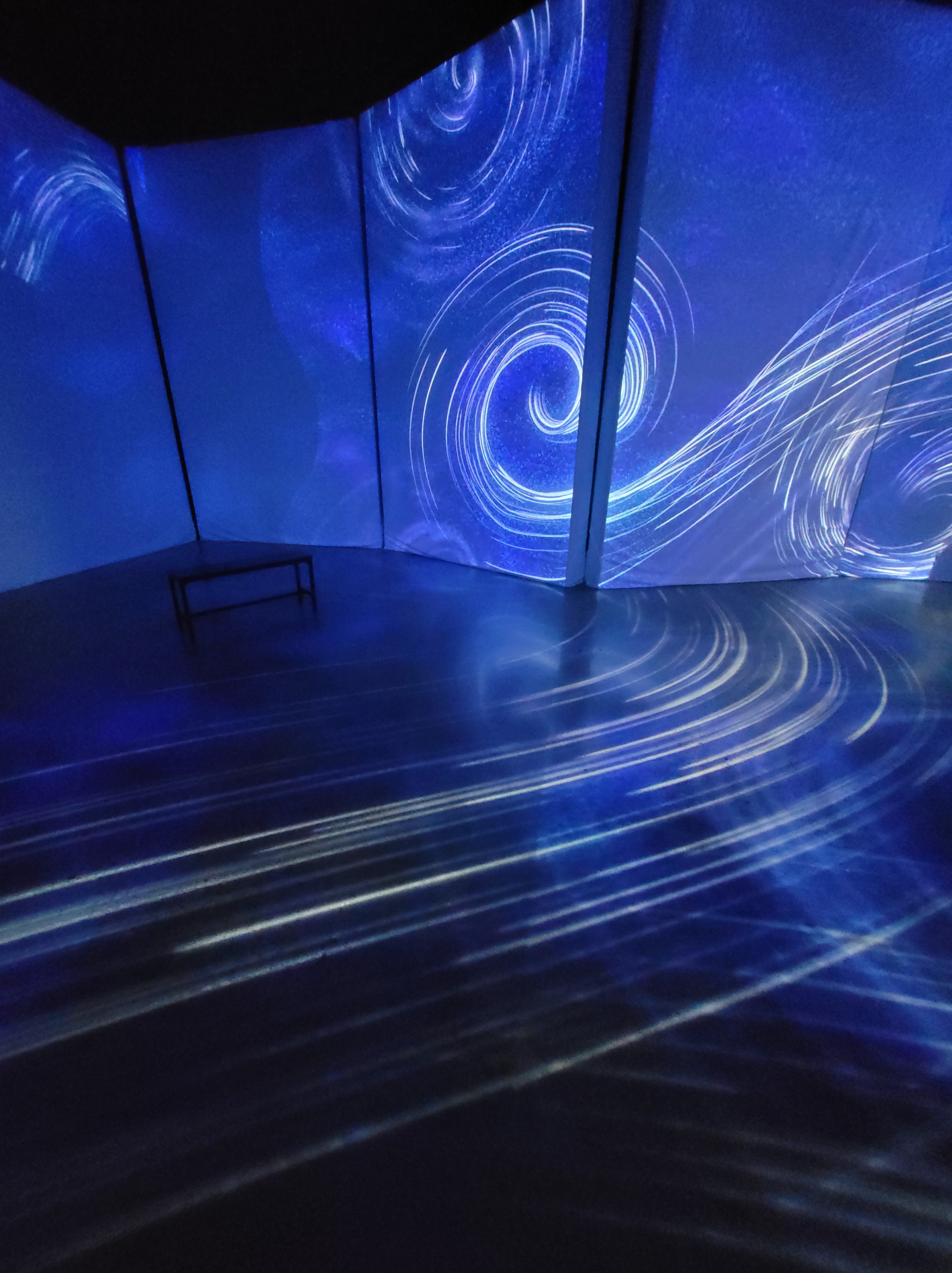
The other activity no one had tried before was the “Beyond Van Gogh” immersive experience. We started with the guide explaining the background of Van Gogh’s life. Next, we entered the hallway, reading letters Van Gogh wrote to his brother and other family members on large boards. The hallway led us into the main space. Large screens covered the room’s perimeter and some were in the center. Projectors cast images of Van Gogh’s work onto the screens and the floor. This truly made us feel like we were inside his paintings. Some of the portraits were animated, so we saw men and women blinking to us from the screen. This was a truly unique and memorable experience.
The rest of the week was filled with days at the beach, ice cream, new restaurants, shopping, and mini golf. We even managed to fit in an escape room and a murder mystery dinner…so much fun! I could not believe how much there was to do, and I would love to go back!
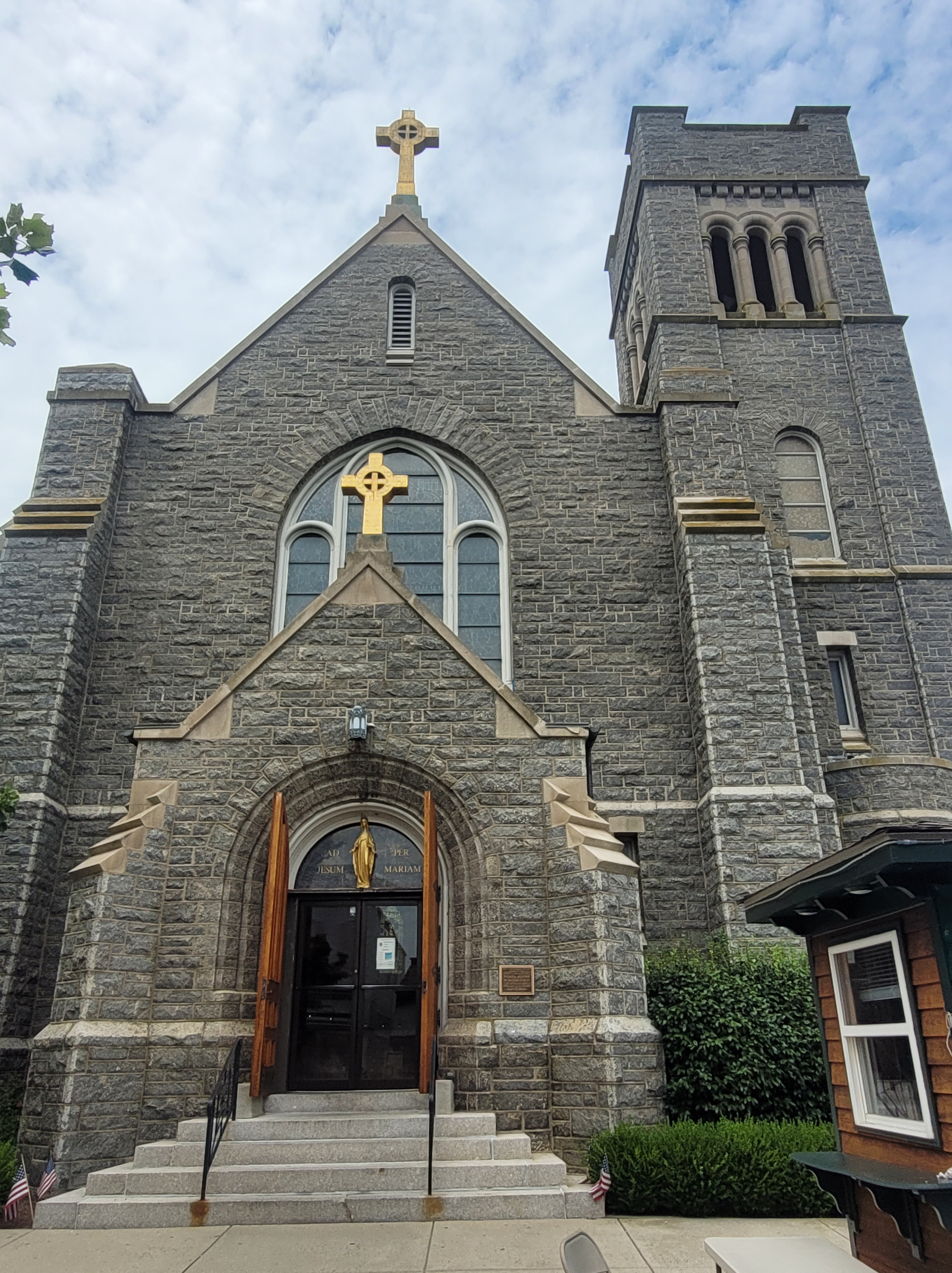
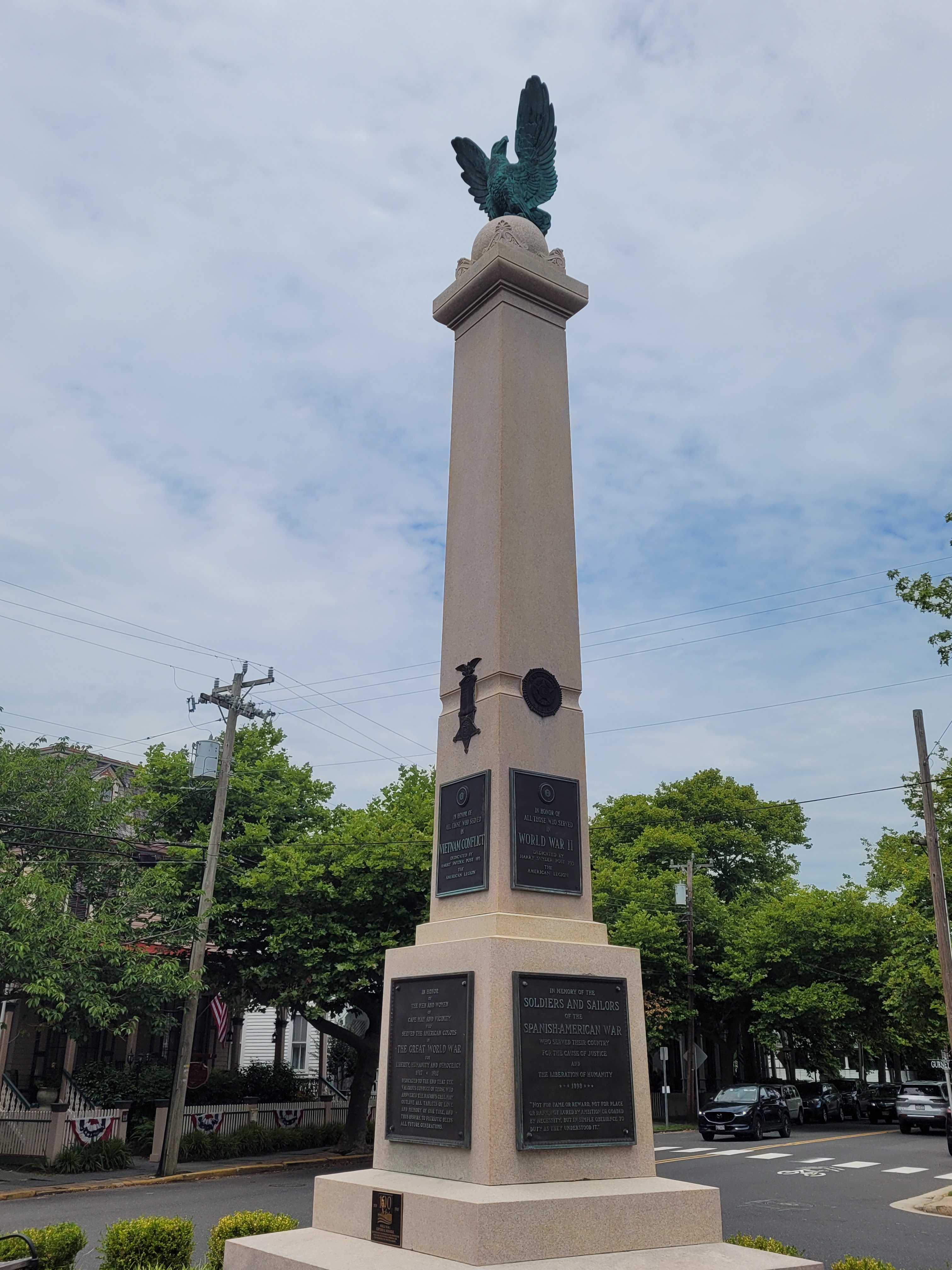
I have been all over the East Coast, visiting little gems and large attractions alike, but Cape May, New Jersey was never on my radar, until this summer. Driving through the back streets to the bus parking area, I immediately saw some amazing spots I needed to check out. There was so much to see with beautiful front lawns, pretty decorations, and flowers blooming everywhere.
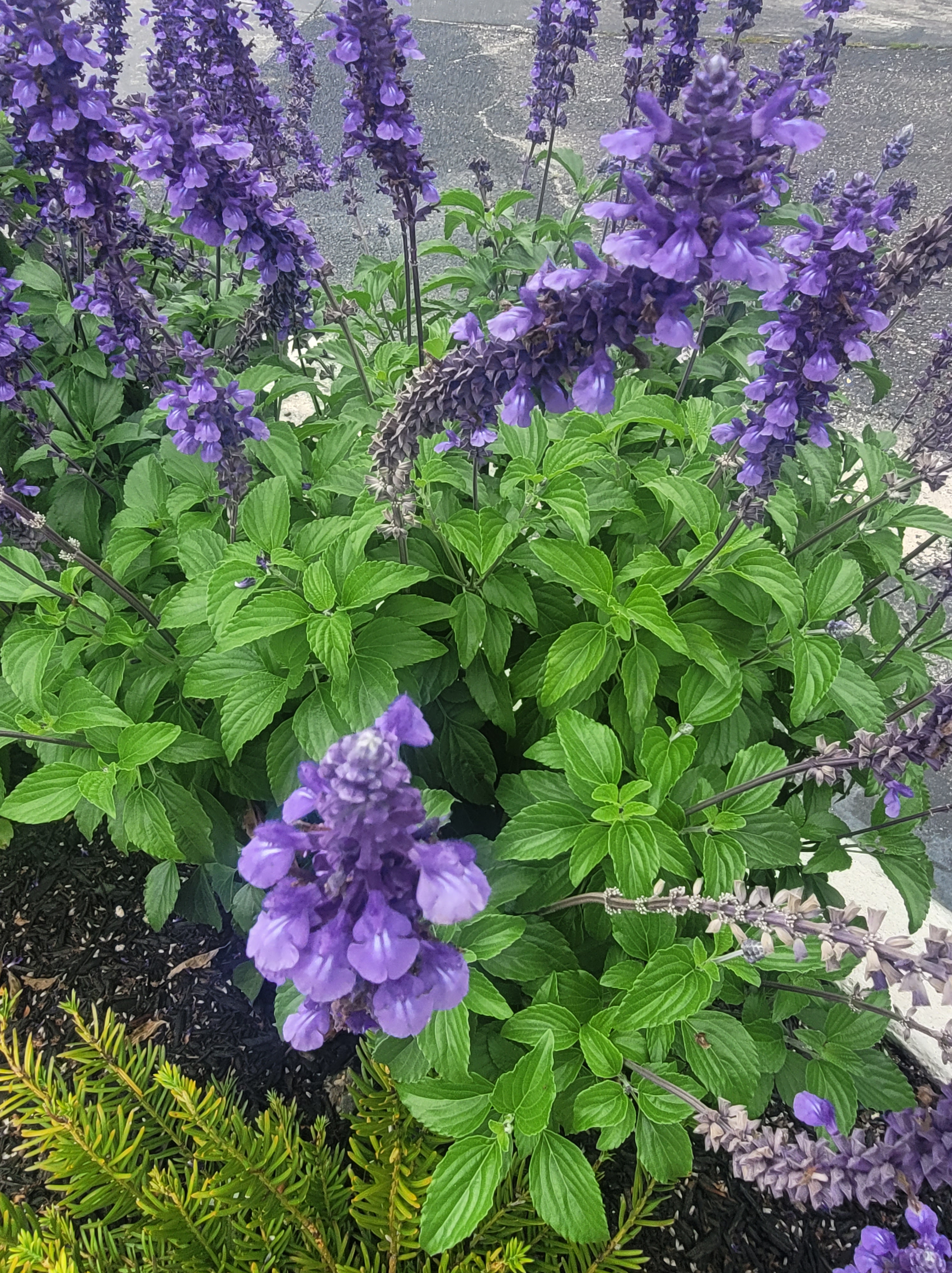
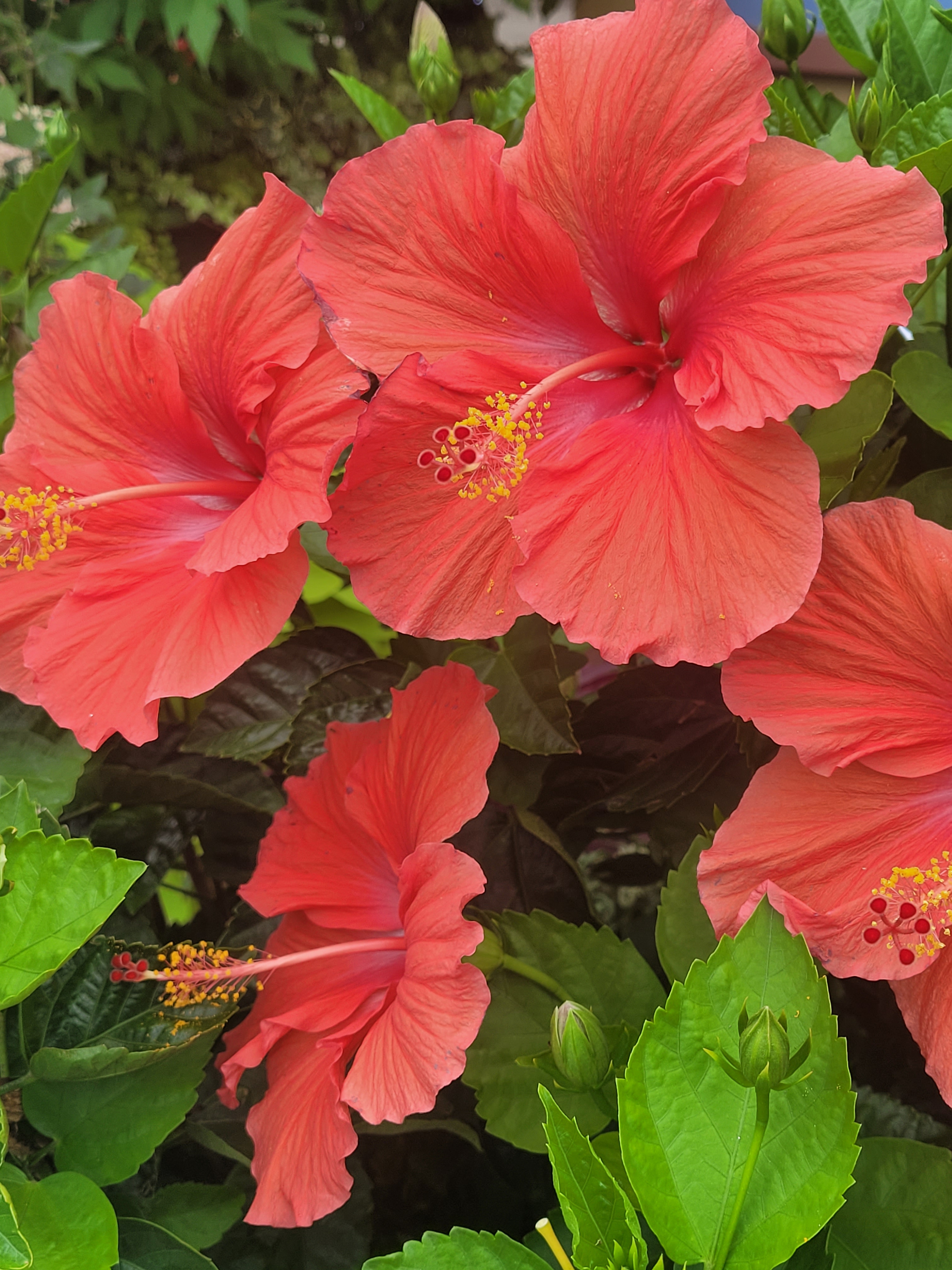
Considering this day trip would not include sunbathing/beach time, I hit the streets to explore the local shops. Along the way, I found beautiful plants of every color in bloom. The streets were well-maintained and every property that faced a sidewalk was flooded with color.
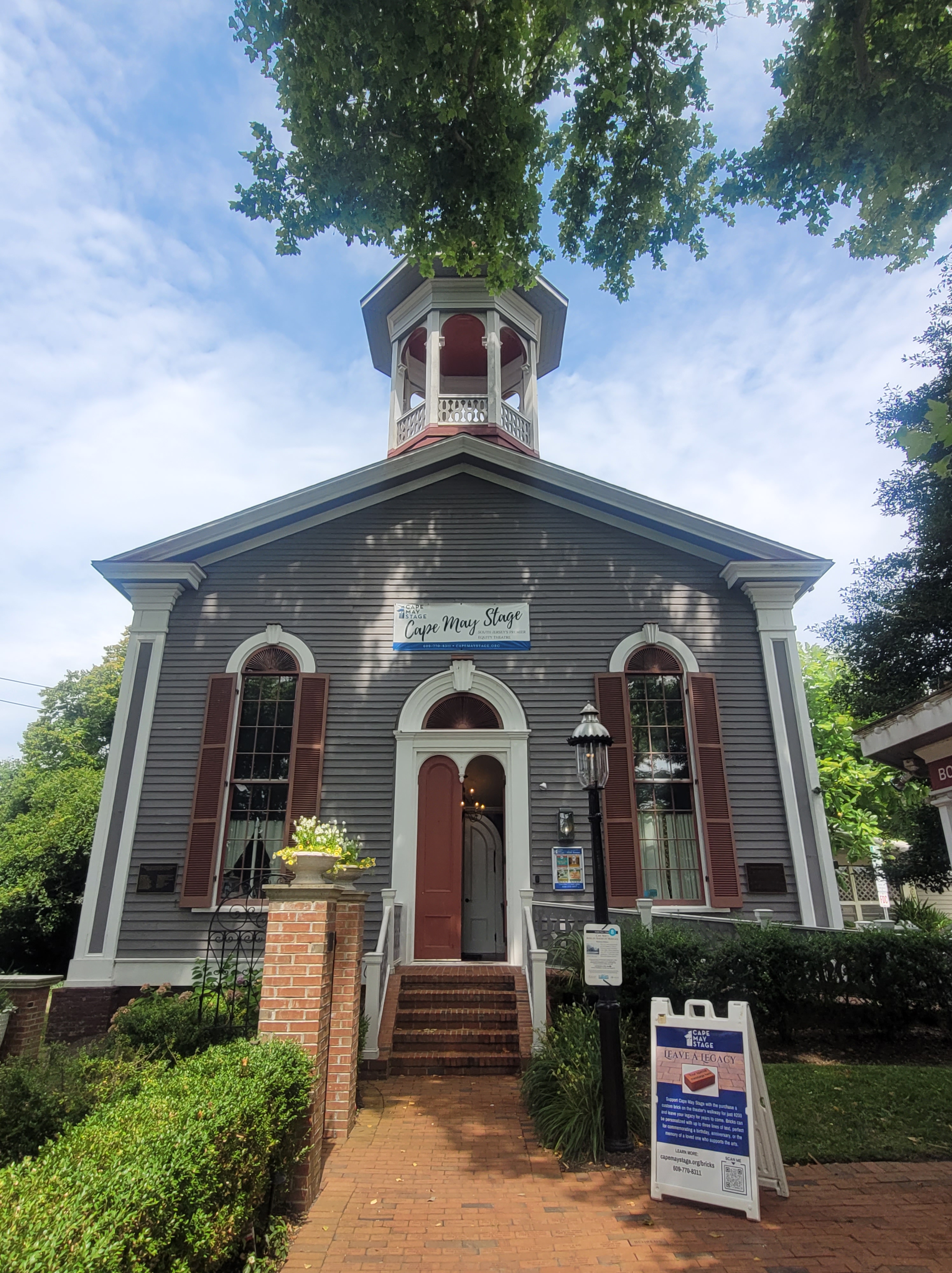
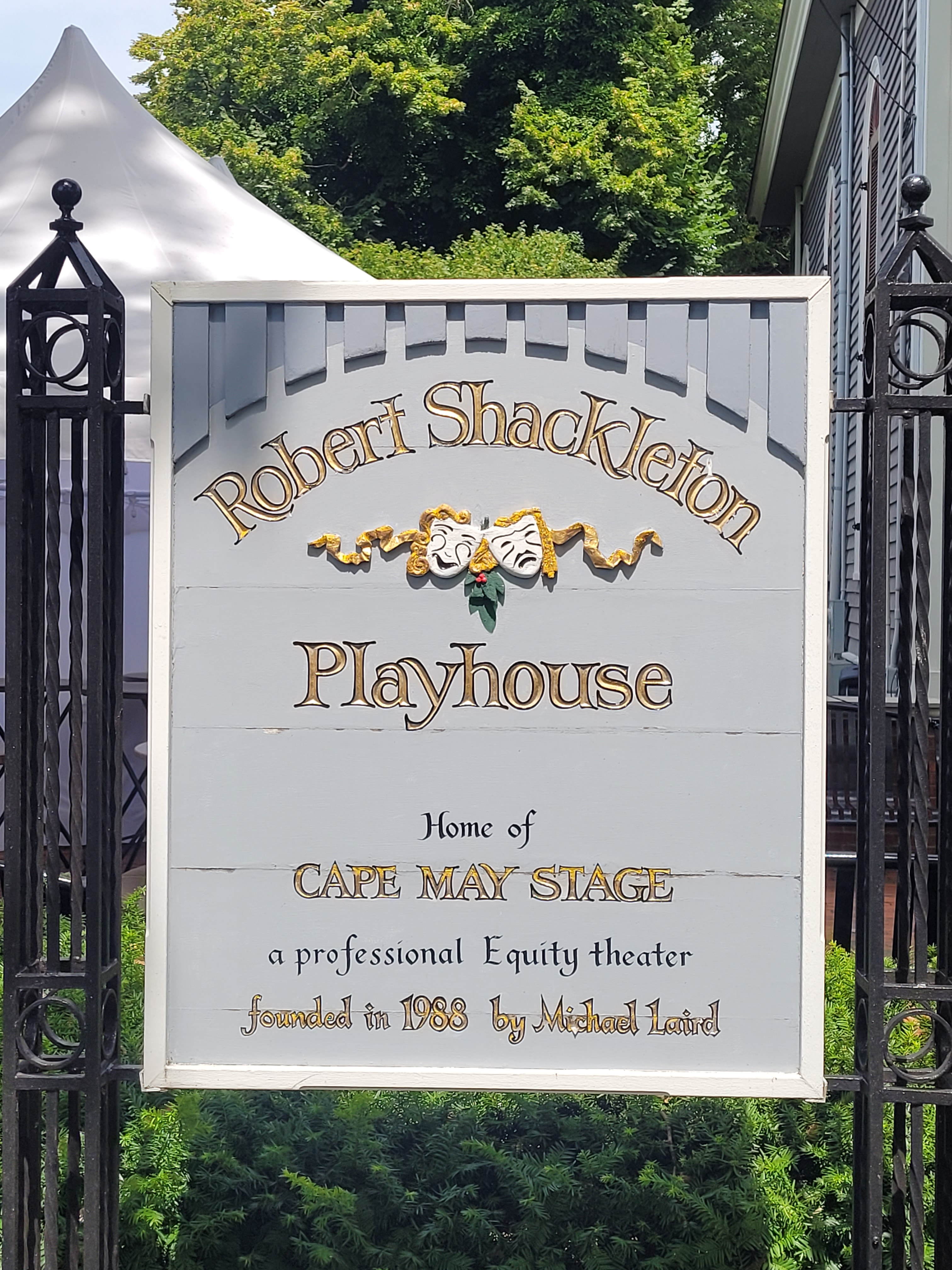
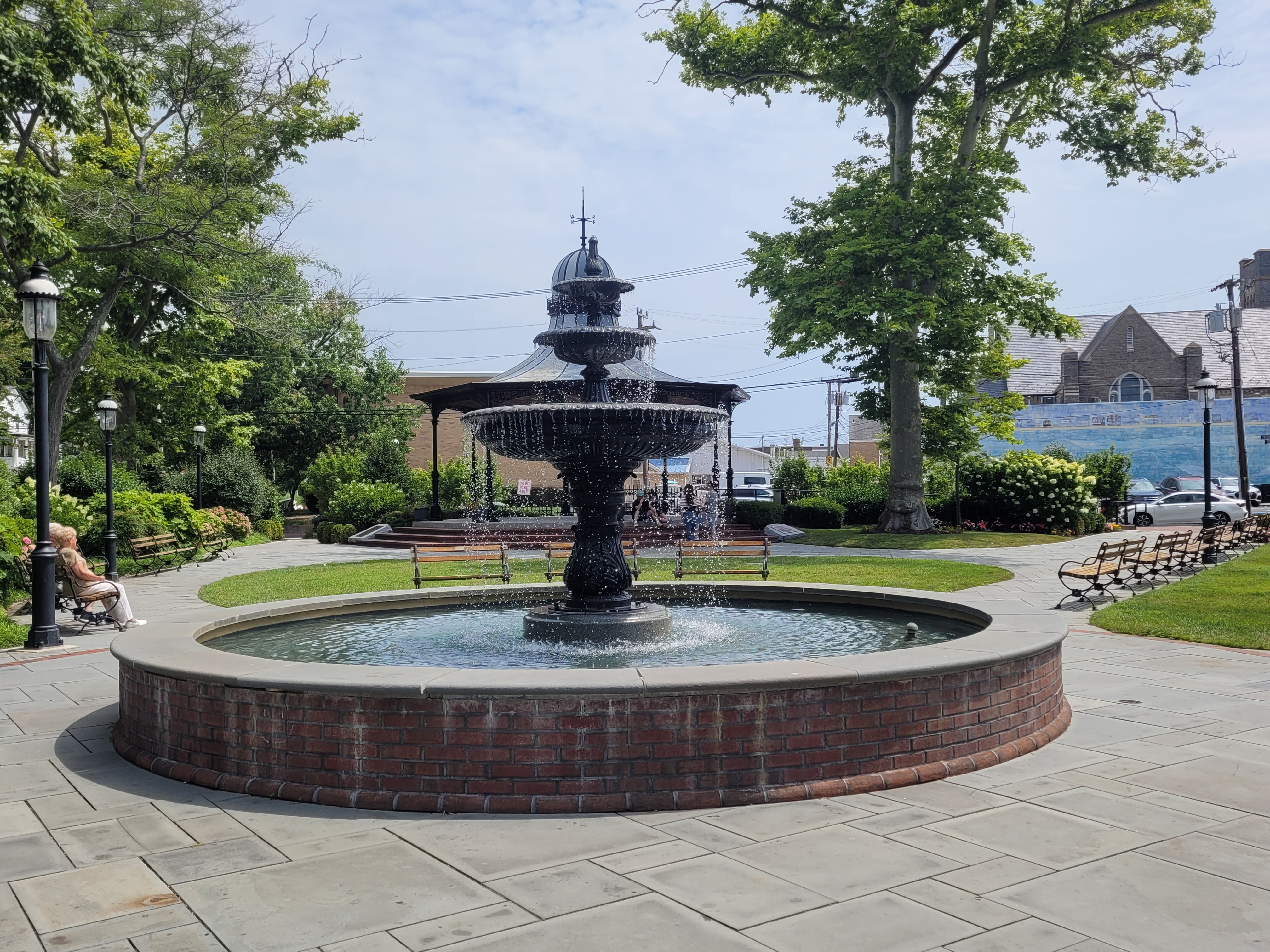
The cutest local playhouse was at the end of a street across from a nice park. This is definitely a location I’d love to visit again when I can stay for a show!
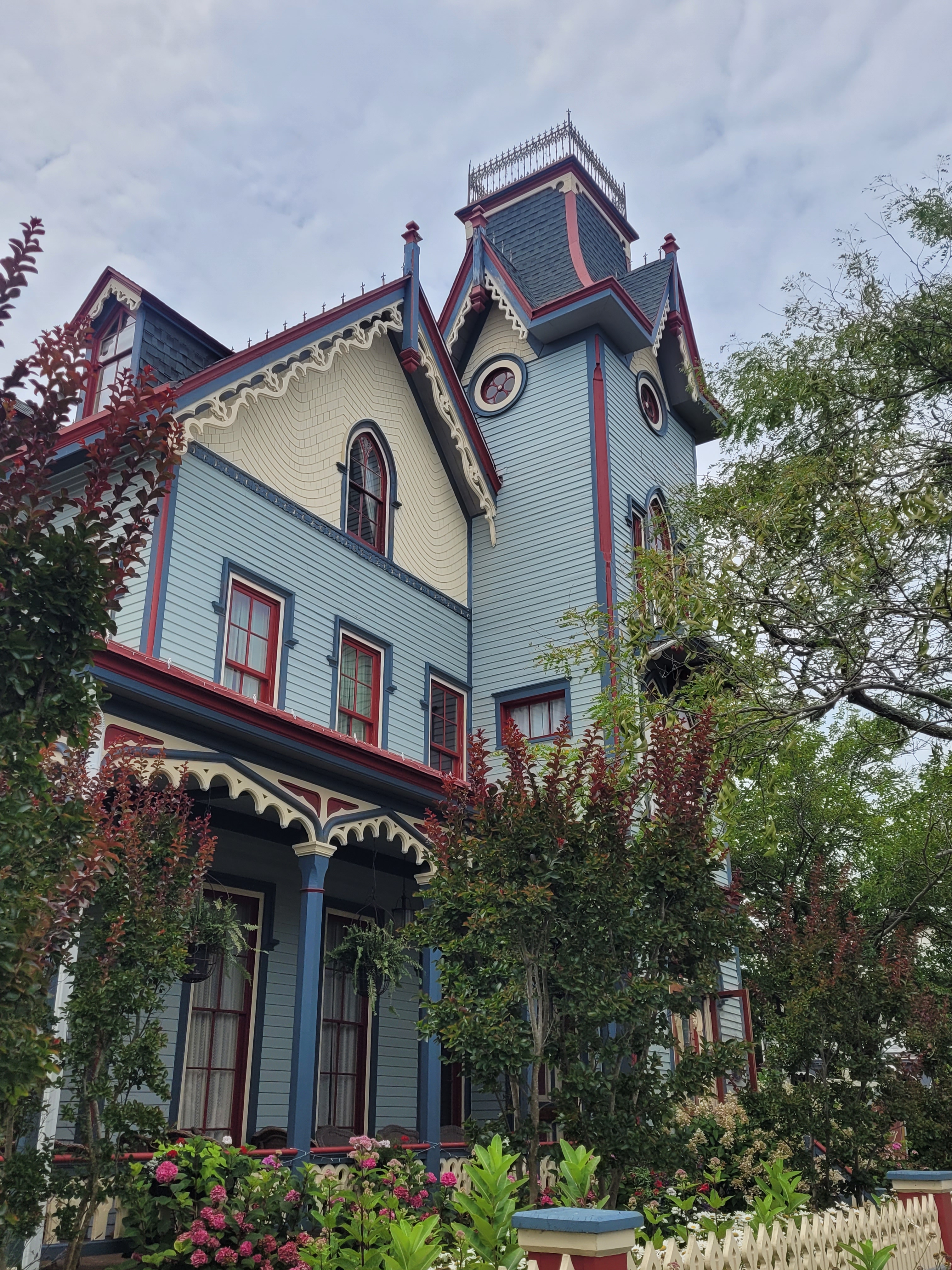
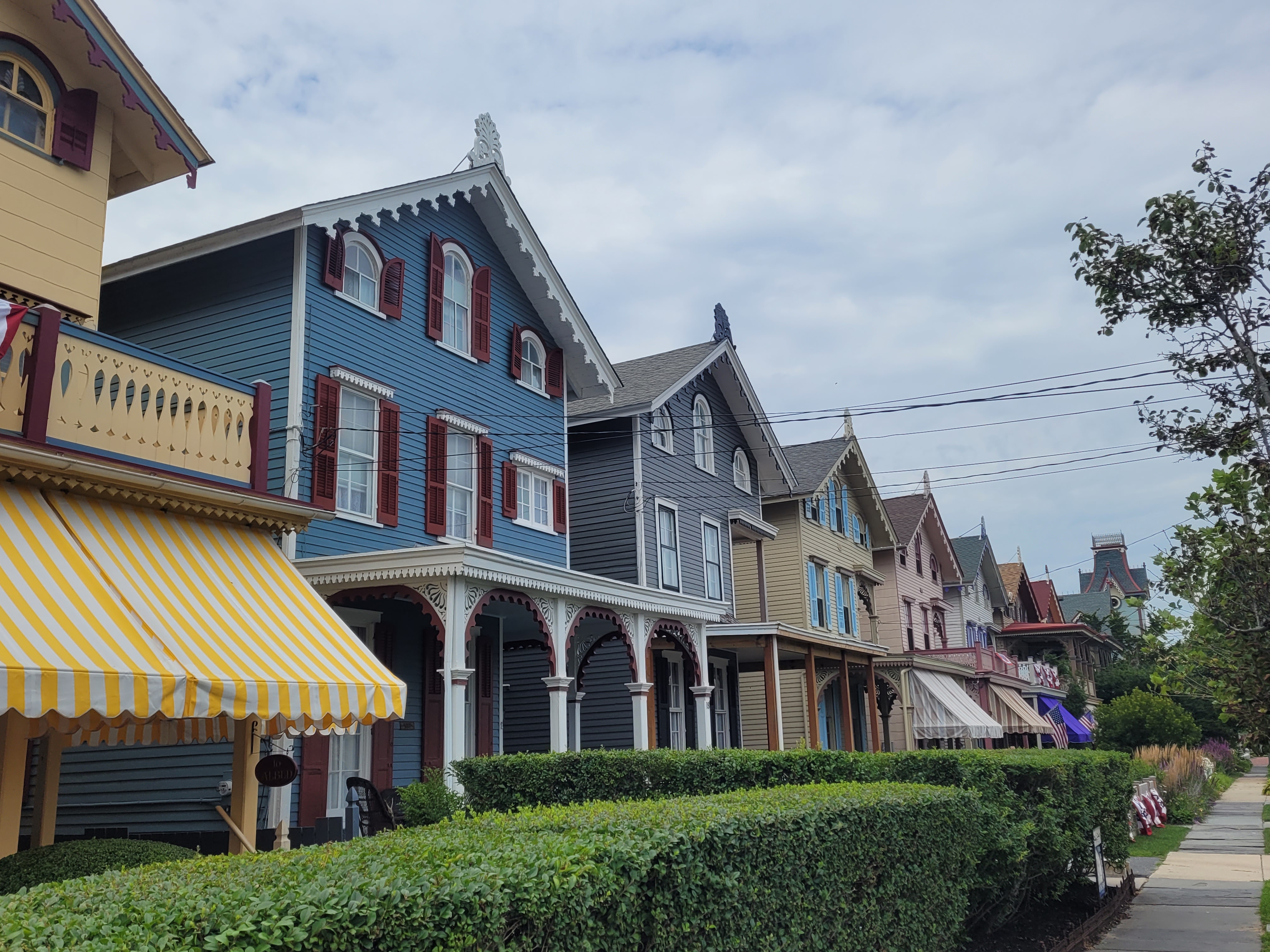
Criss-crossing my way down towards the beach I found other nice hangouts. Coffee shops abound and coastal-inspired artisan shops are everywhere. However, my favorite street was lined with beautiful Victorian houses, each with different colors, and beautifully maintained. I even noticed signs advertising entire houses for rent which would be amazing for a few friends or a large family to utilize.
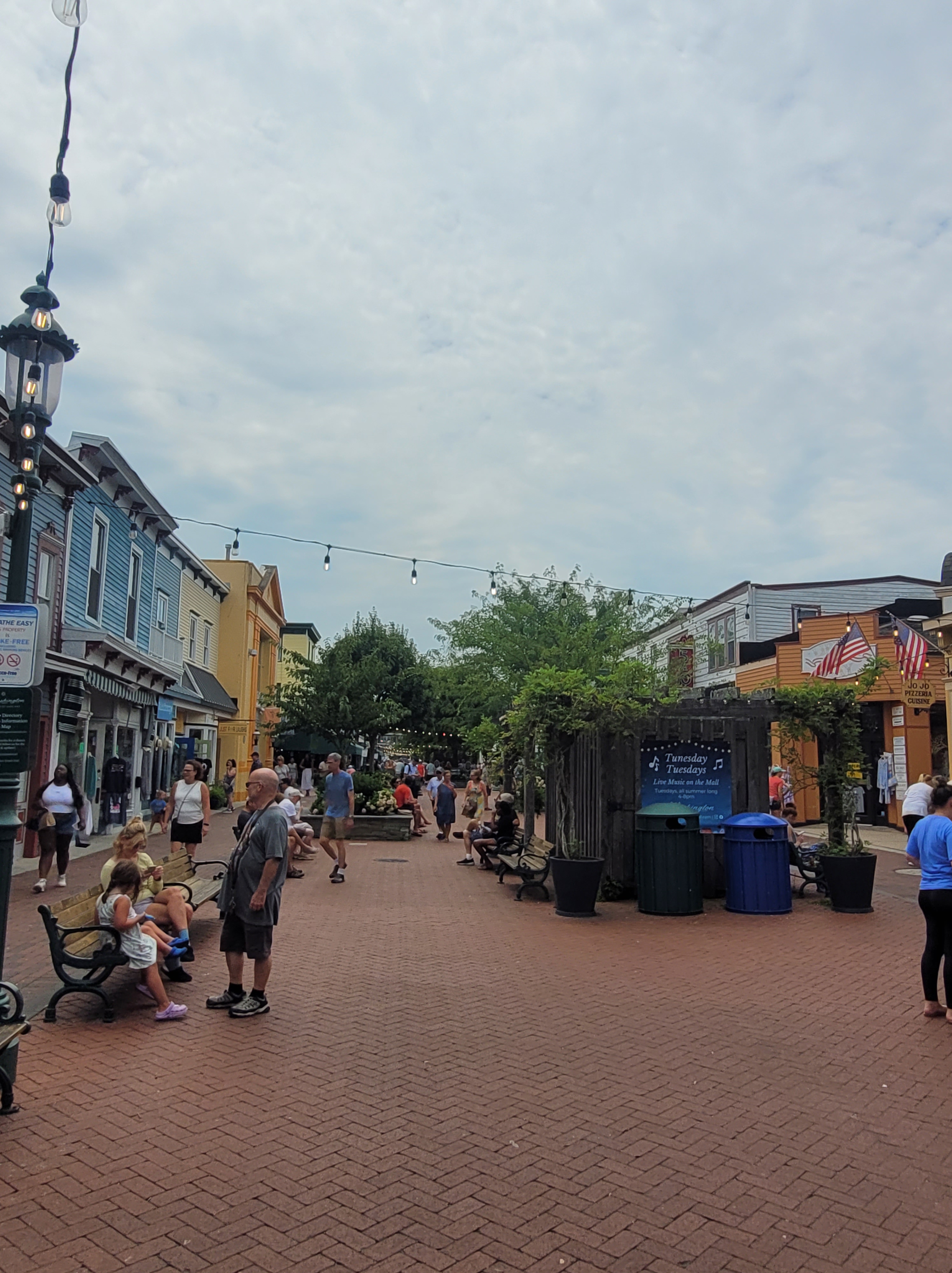
There is one section of the road that only allows pedestrians to walk. This portion featured many of the restaurants in the area, among other fun finds and beautiful architecture nearby.
Although I only had a few hours to explore, I truly enjoyed my time and can see myself returning again. Perhaps next time I’ll forgo the shopping area, rent a golf cart, and visit the nearby state park and Cape May Lighthouse, or perhaps go parasailing.
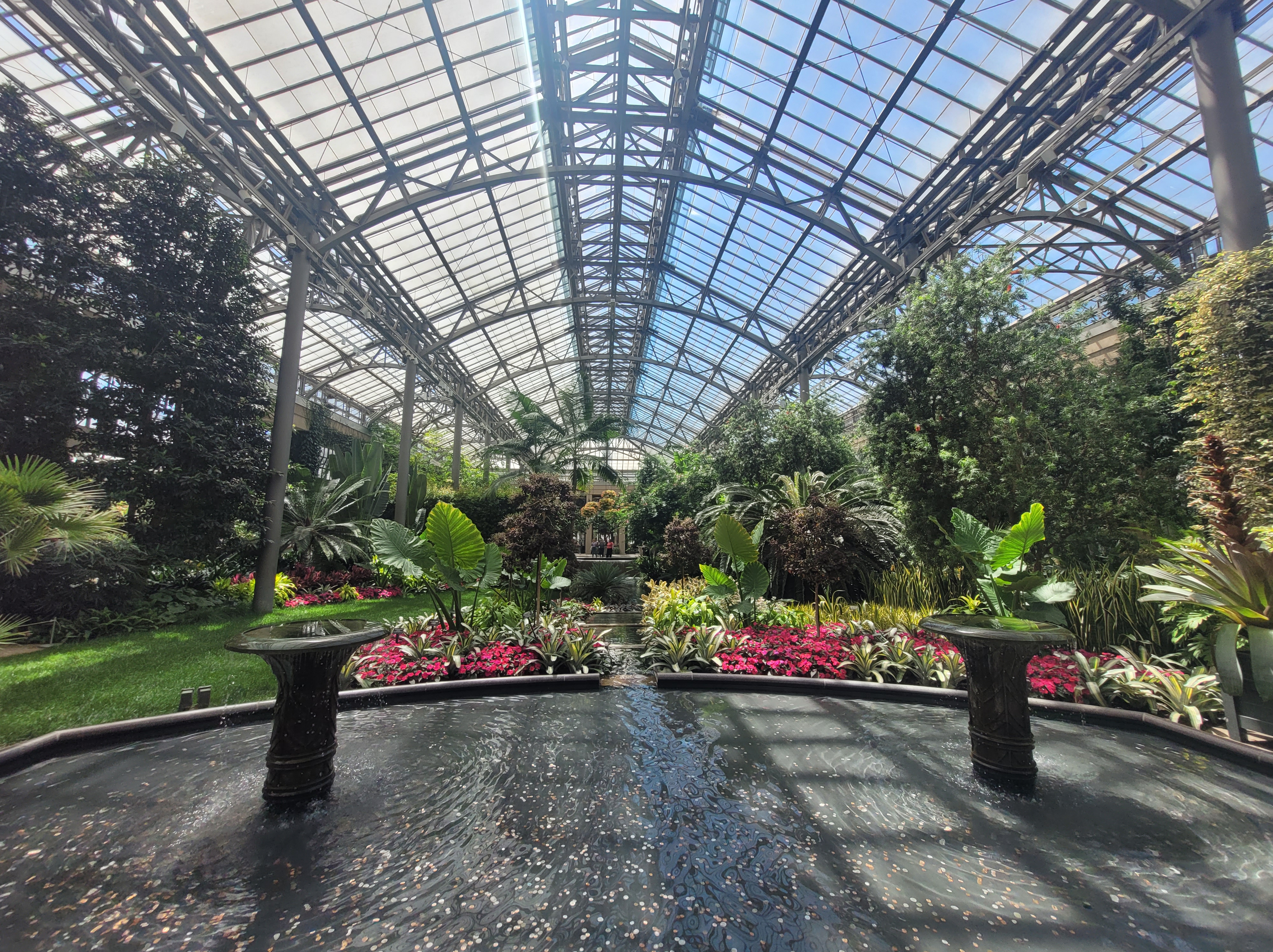
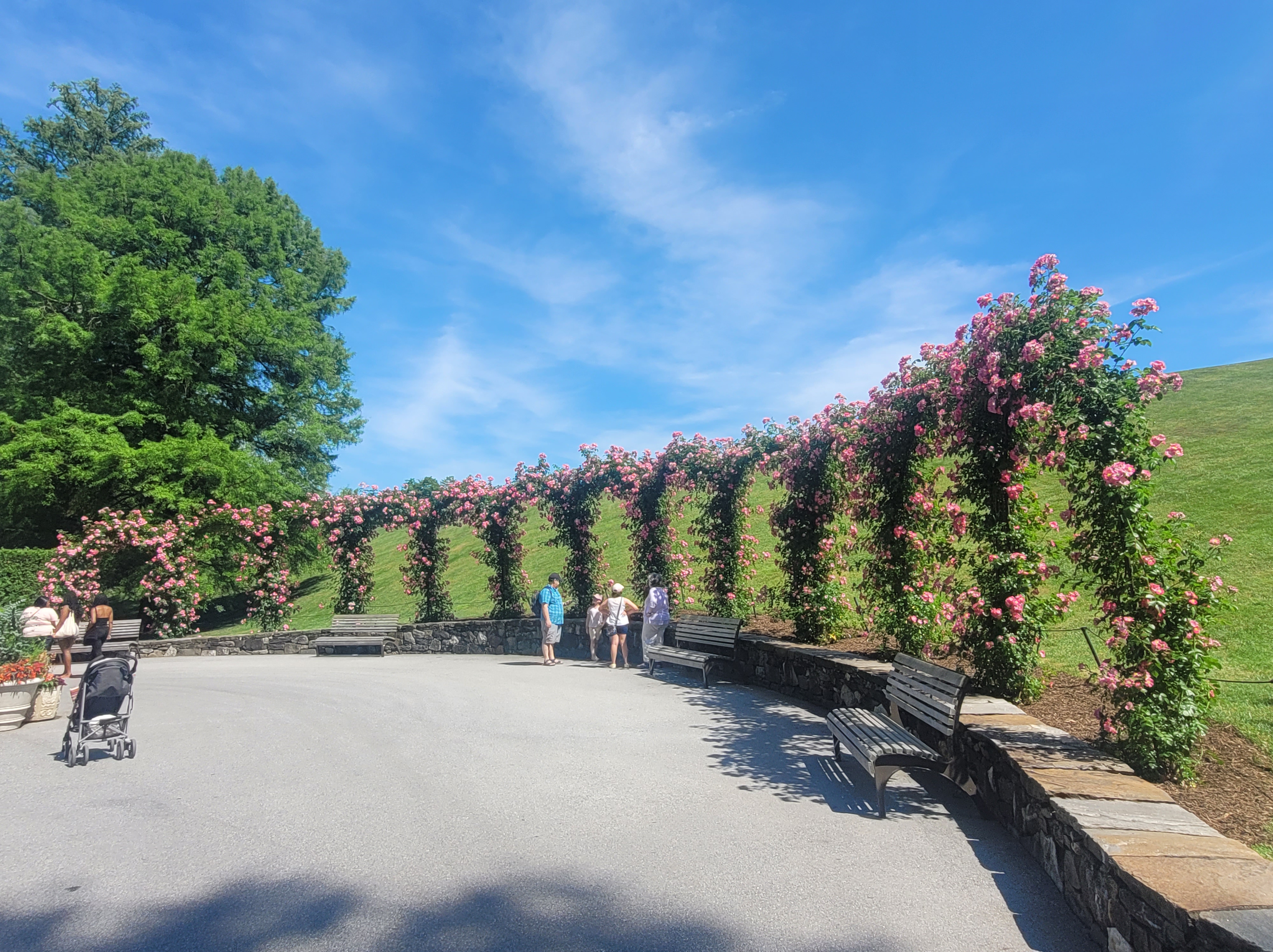
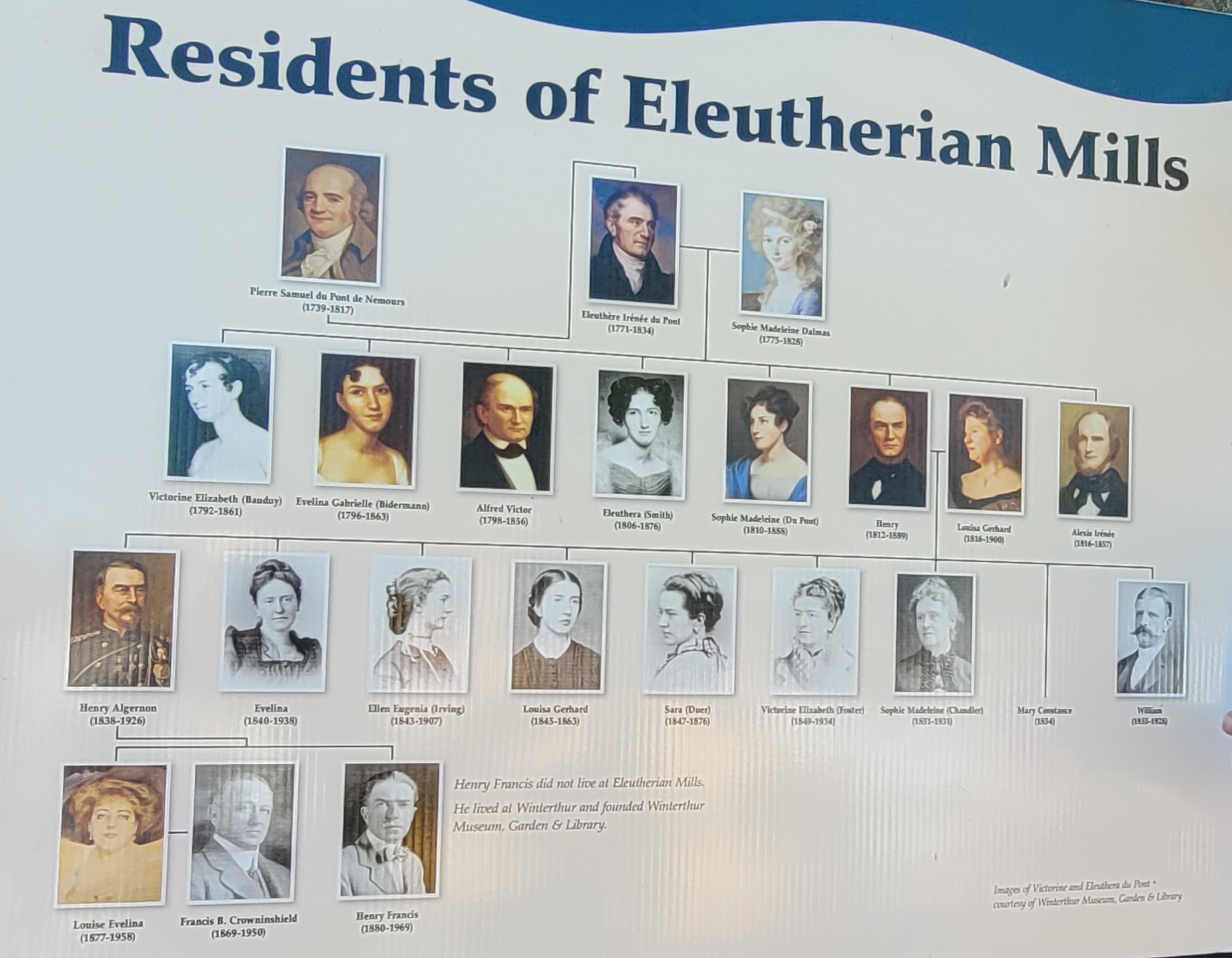
After learning about the duPont family, it was only right that we visited Longwood Gardens. About 30 minutes over the border into Pennsylvania, visitors can experience what was once a simple park. Due to the duPont family’s interest in gardening, the area’s natural beauty influenced one particular family member. Pierre began with one long flower garden and then expanded to include indoor facilities, fountains, and other forms of entertainment.
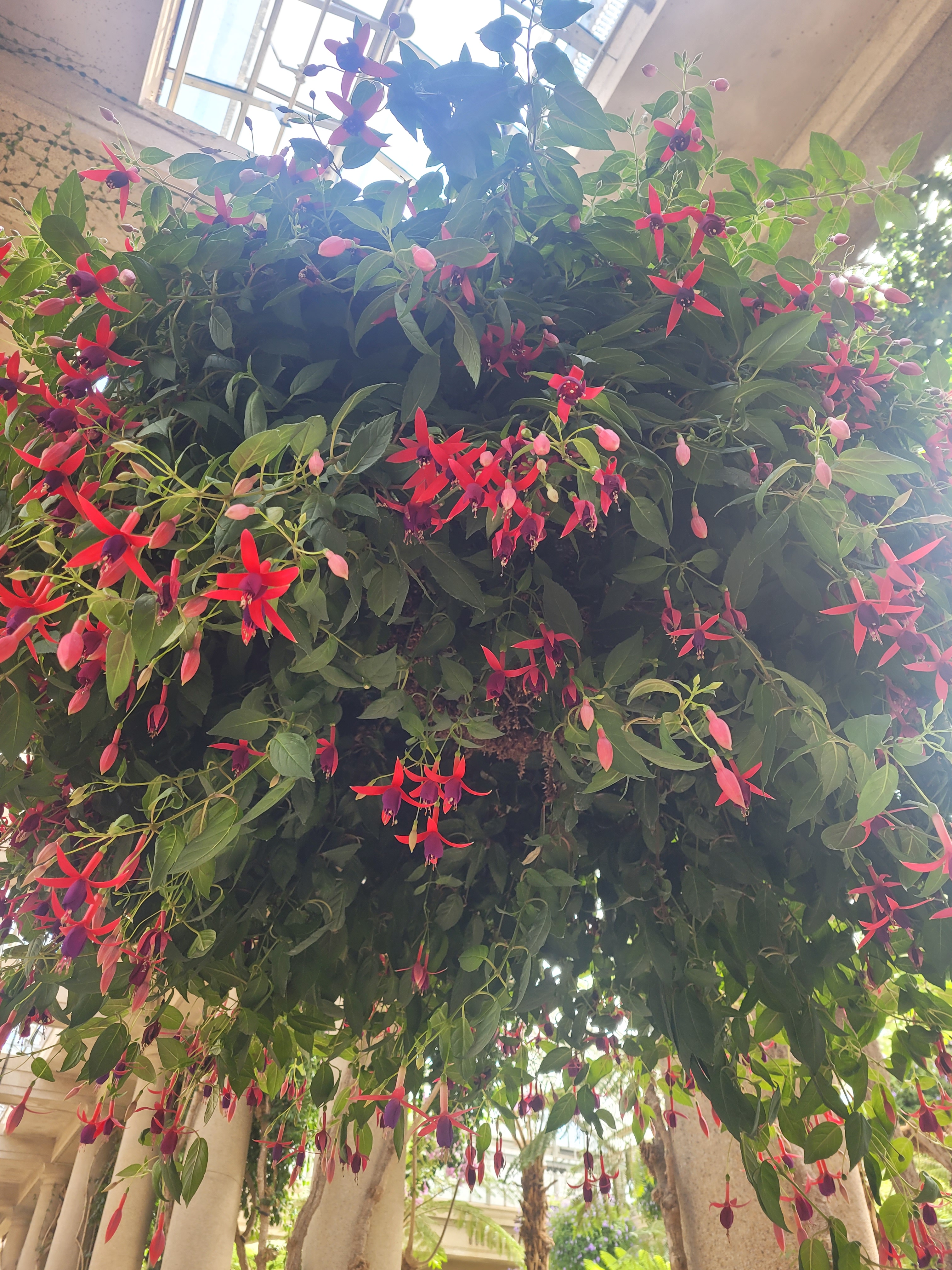
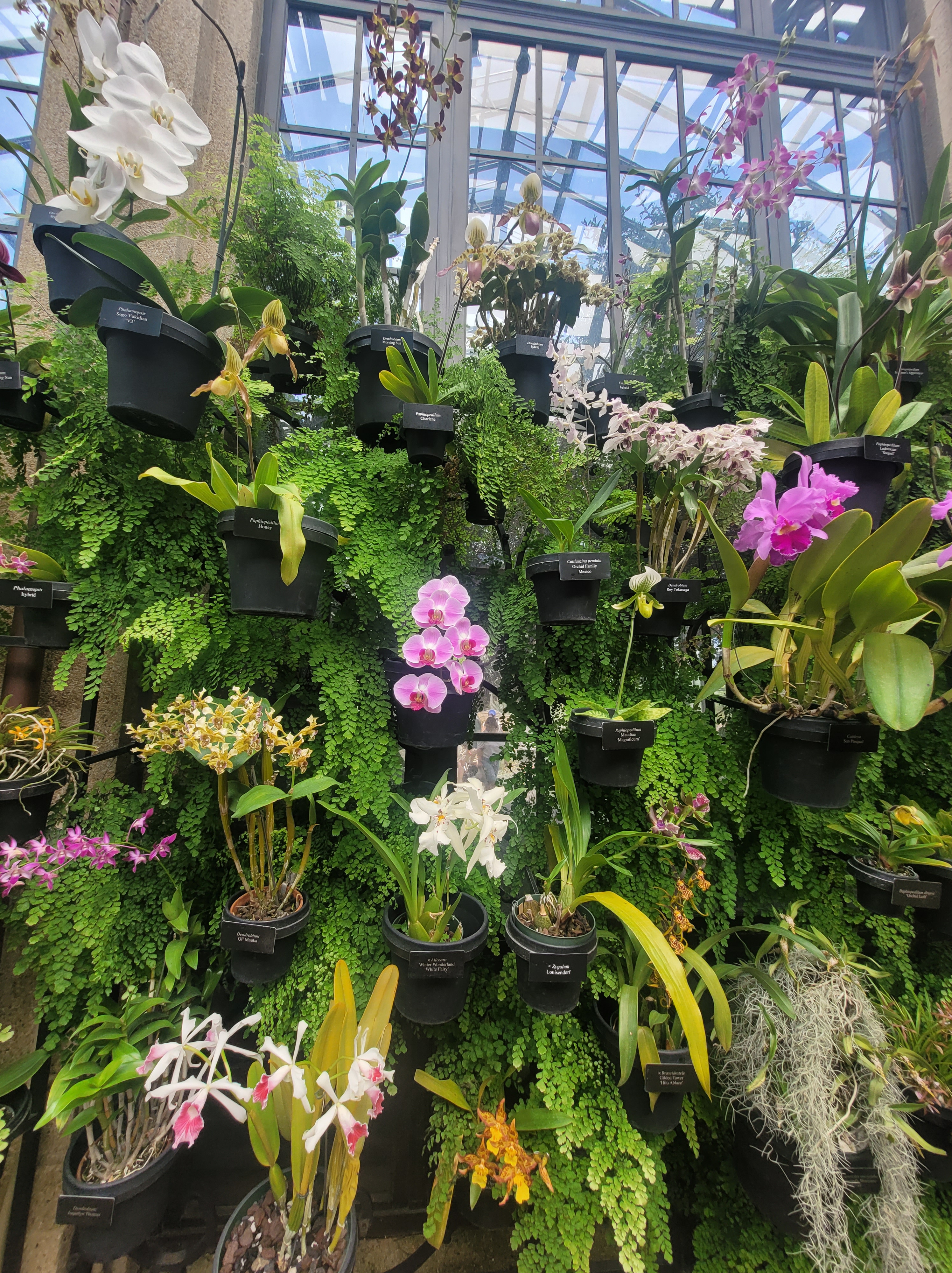
Around every corner, visitors can see caretakers’ constant work and dedication of to keep the numerous varieties of plants and arrangements at their peak. Guests can spend all day in the gardens as there are locations to eat, and plenty to see. You can sit and watch fountains playing along to various music pieces, find shade under large mature trees, or spend time inside admiring orchids and other exotic plants.
Once a private garden of about 200 acres, the current garden is over 1,000 and is open for the public to enjoy. Over one million guests come to Longwood Gardens each year and it is no surprise they keep visiting. Each season shows off new displays, the gift shop stocks a variety of amazing products and plans throughout the year, and the Christmas displays are not to be missed.
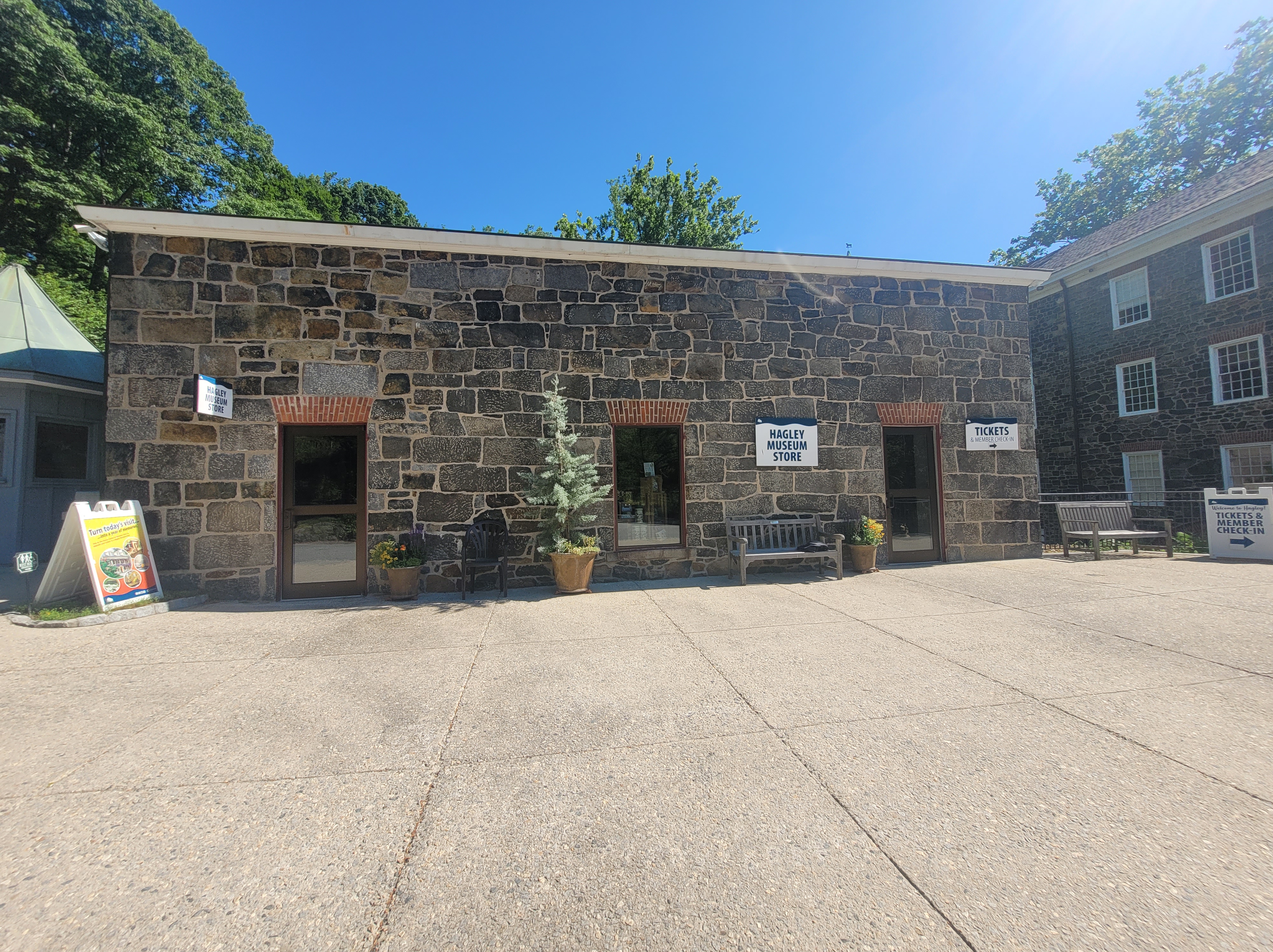
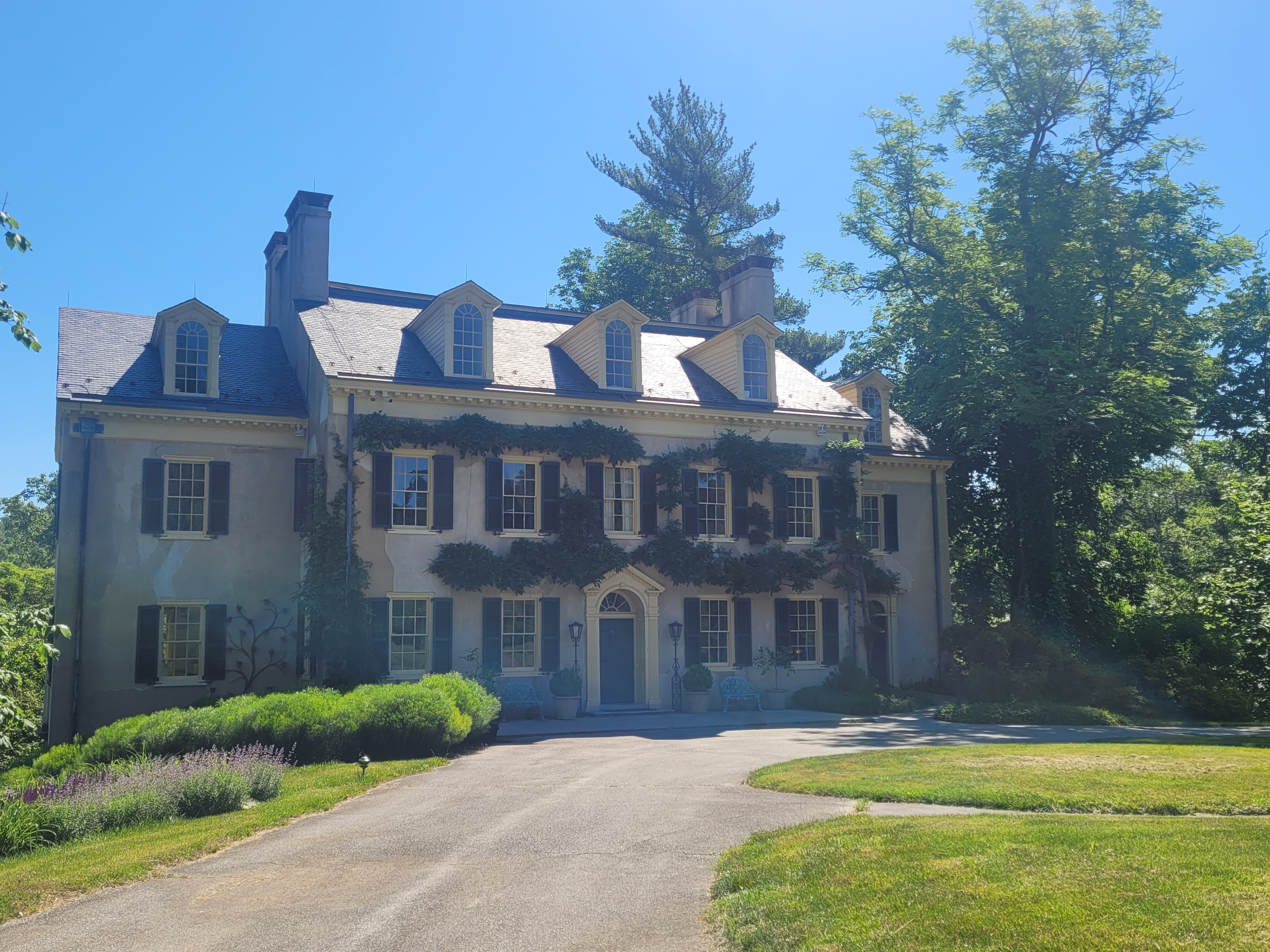
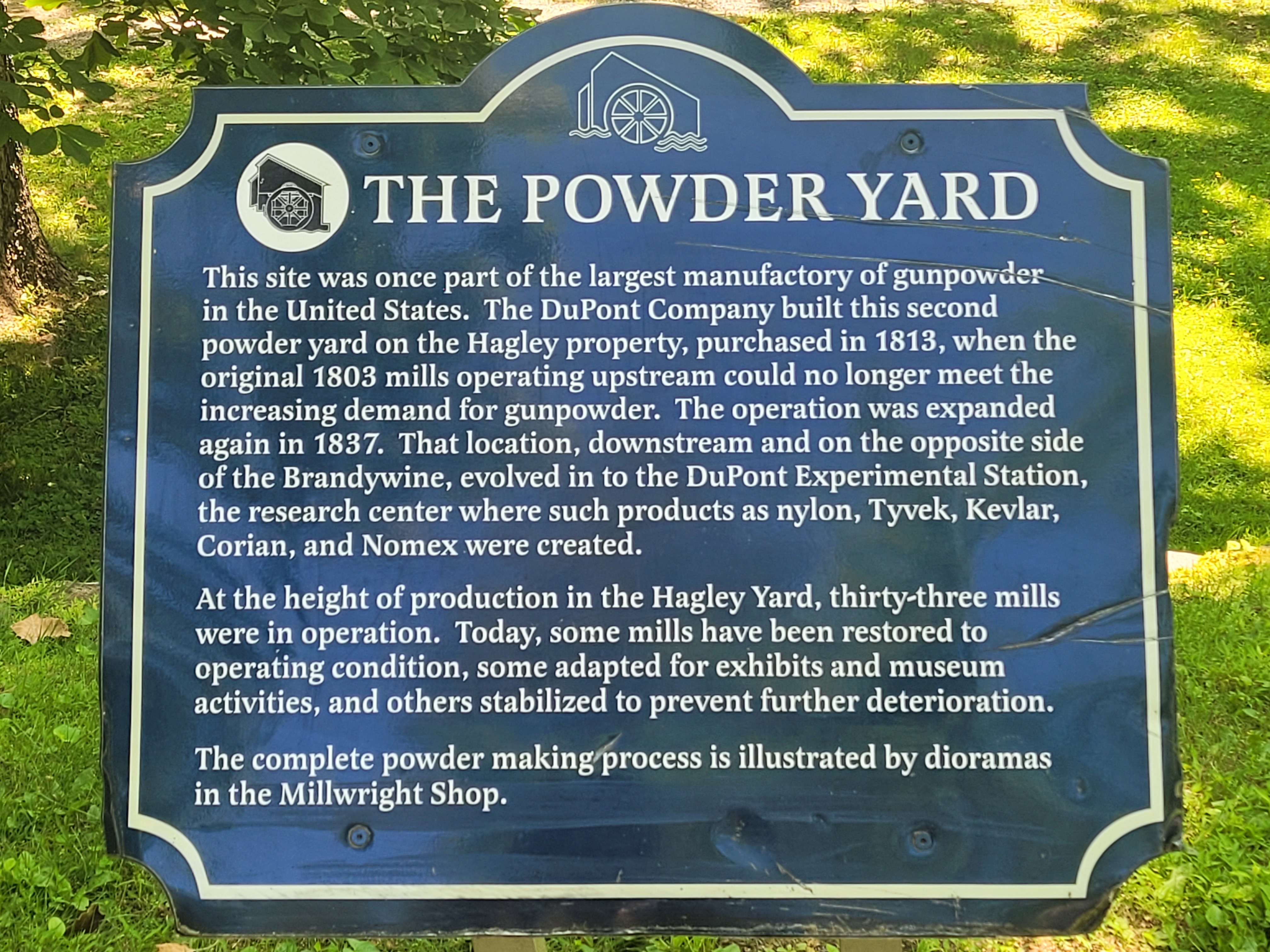
Along the Brandywine River in northern Delaware sits an estate where visitors can learn about the duPont family’s legacy. The Hagley Museum and grounds are the location of the duPont gunpowder manufacturing company, established in 1802.
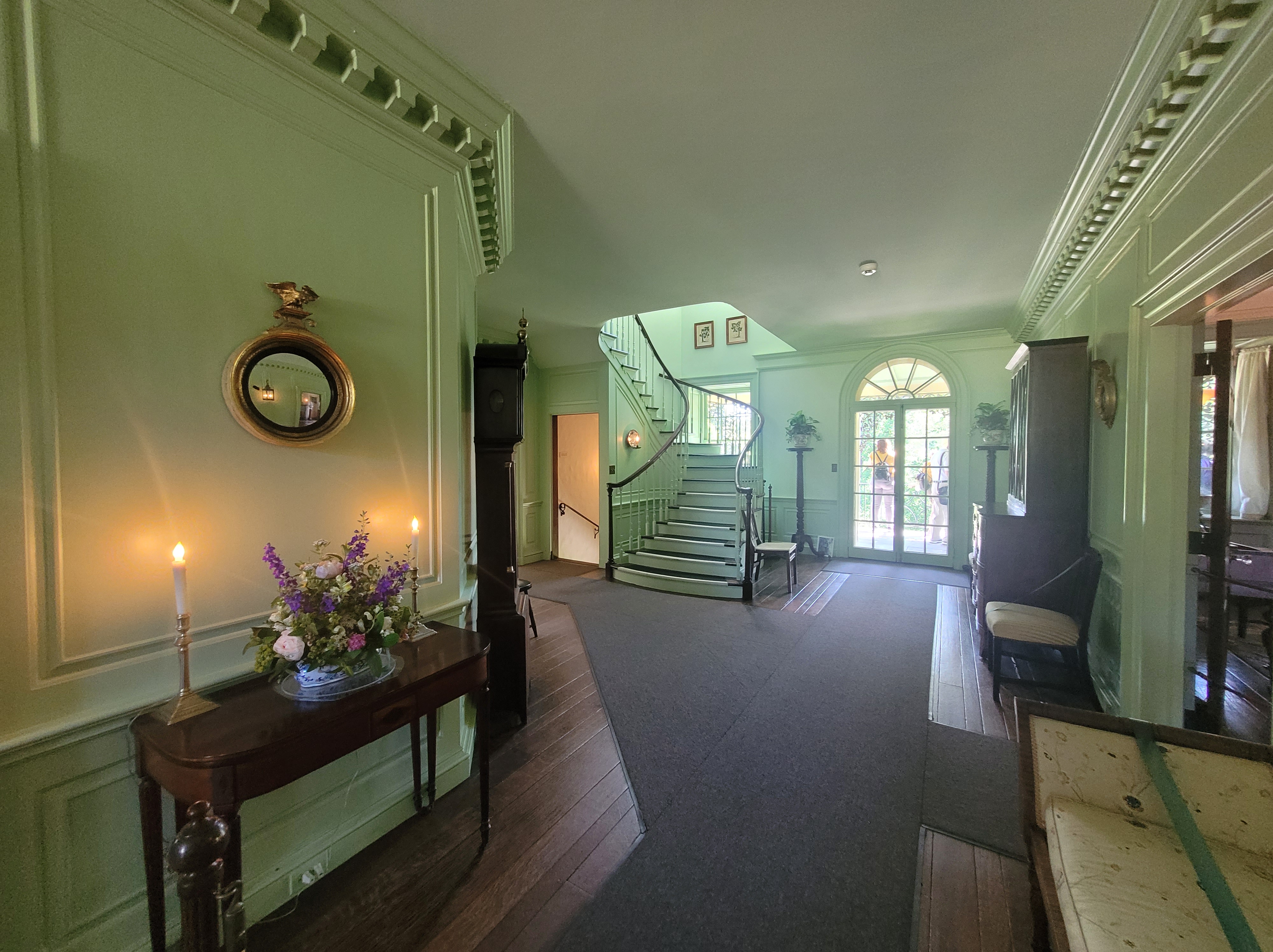
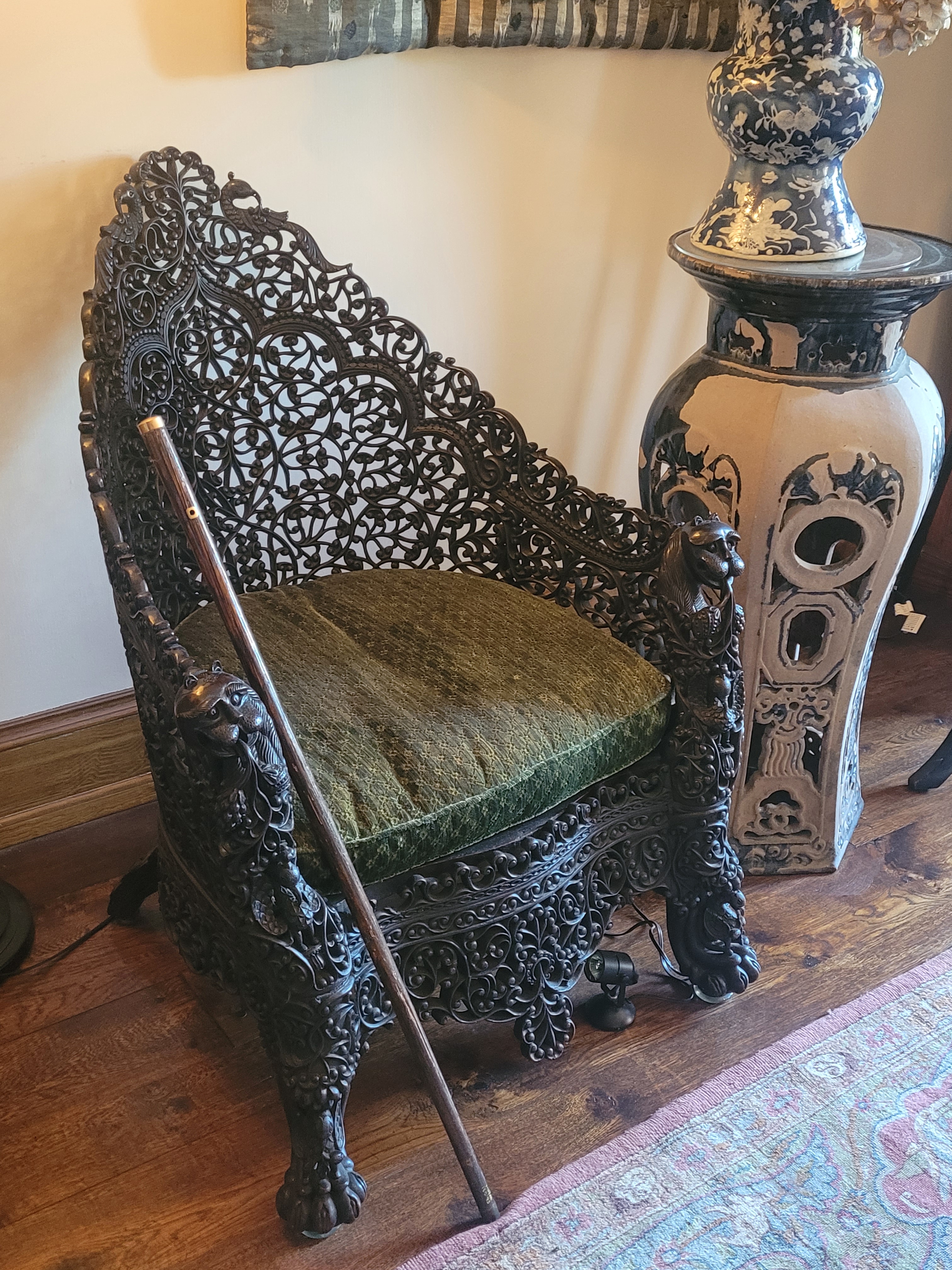
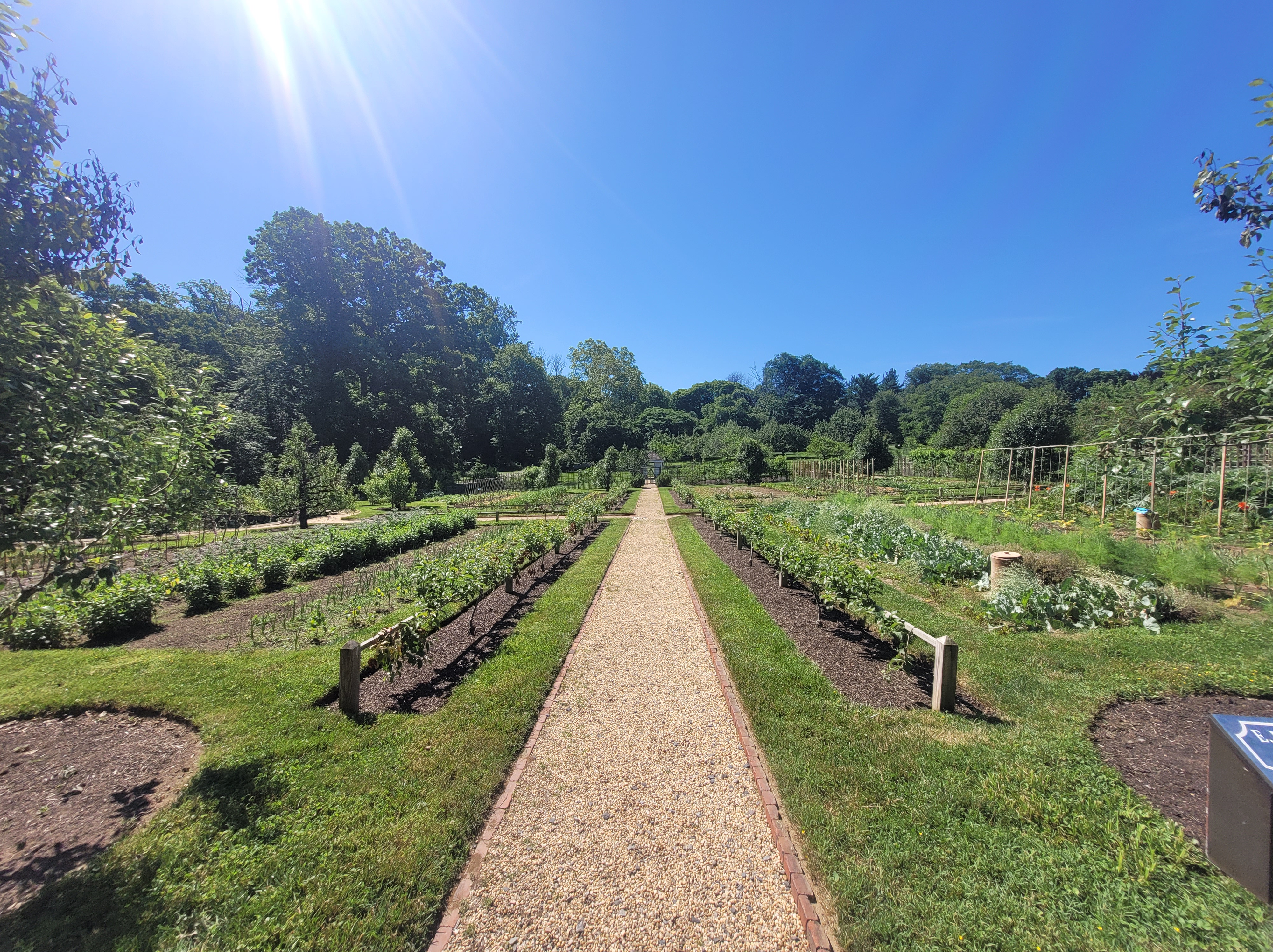
A tour of the area included a short bus ride to the original family house where the company started. It was hard to imagine the family lived in the house where the gunpowder was made! The house now serves as a museum and features amazing pieces from around the world. The garden and landscaping are also beautiful and gave us a preview of what the family would develop next.
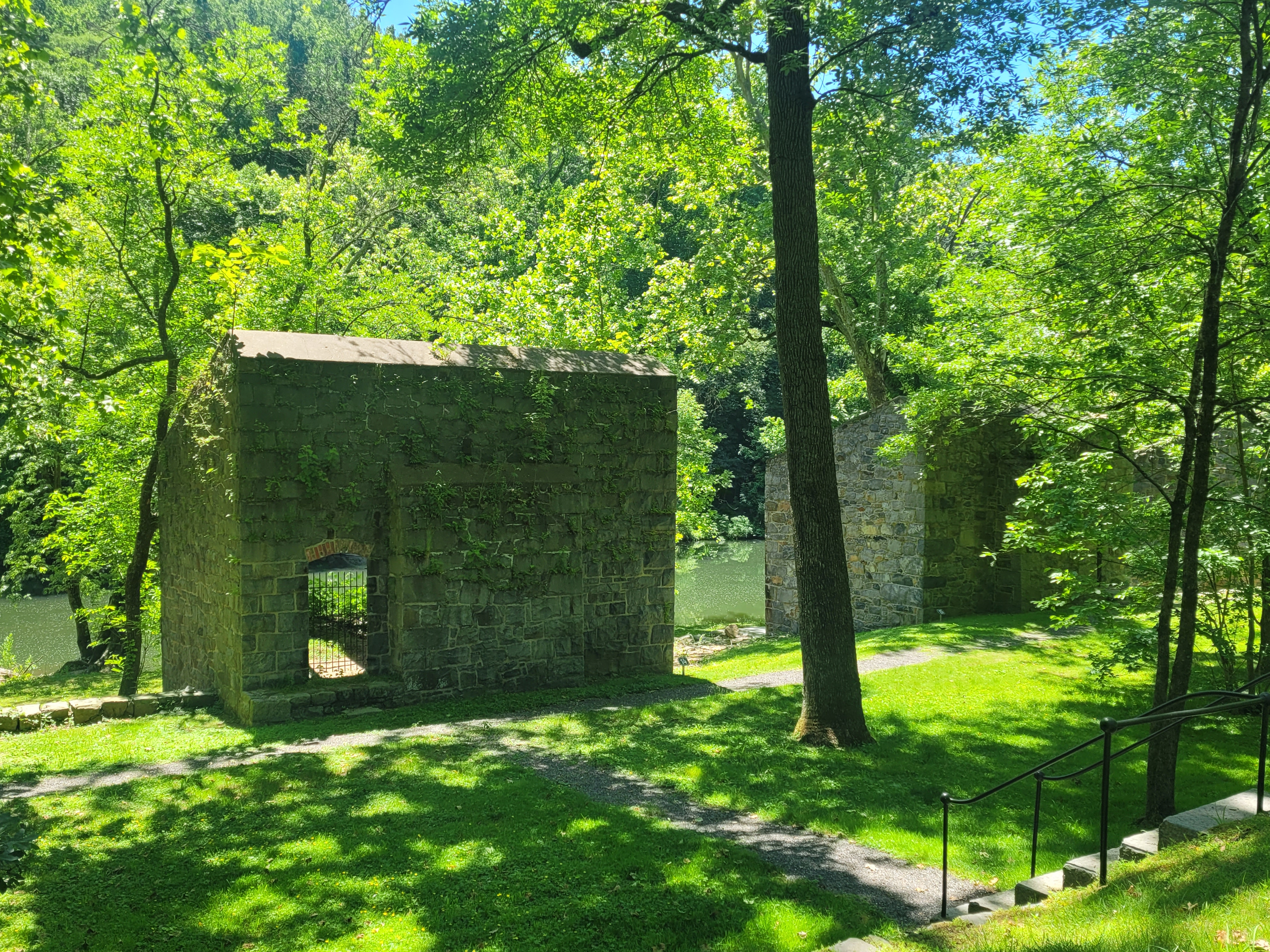
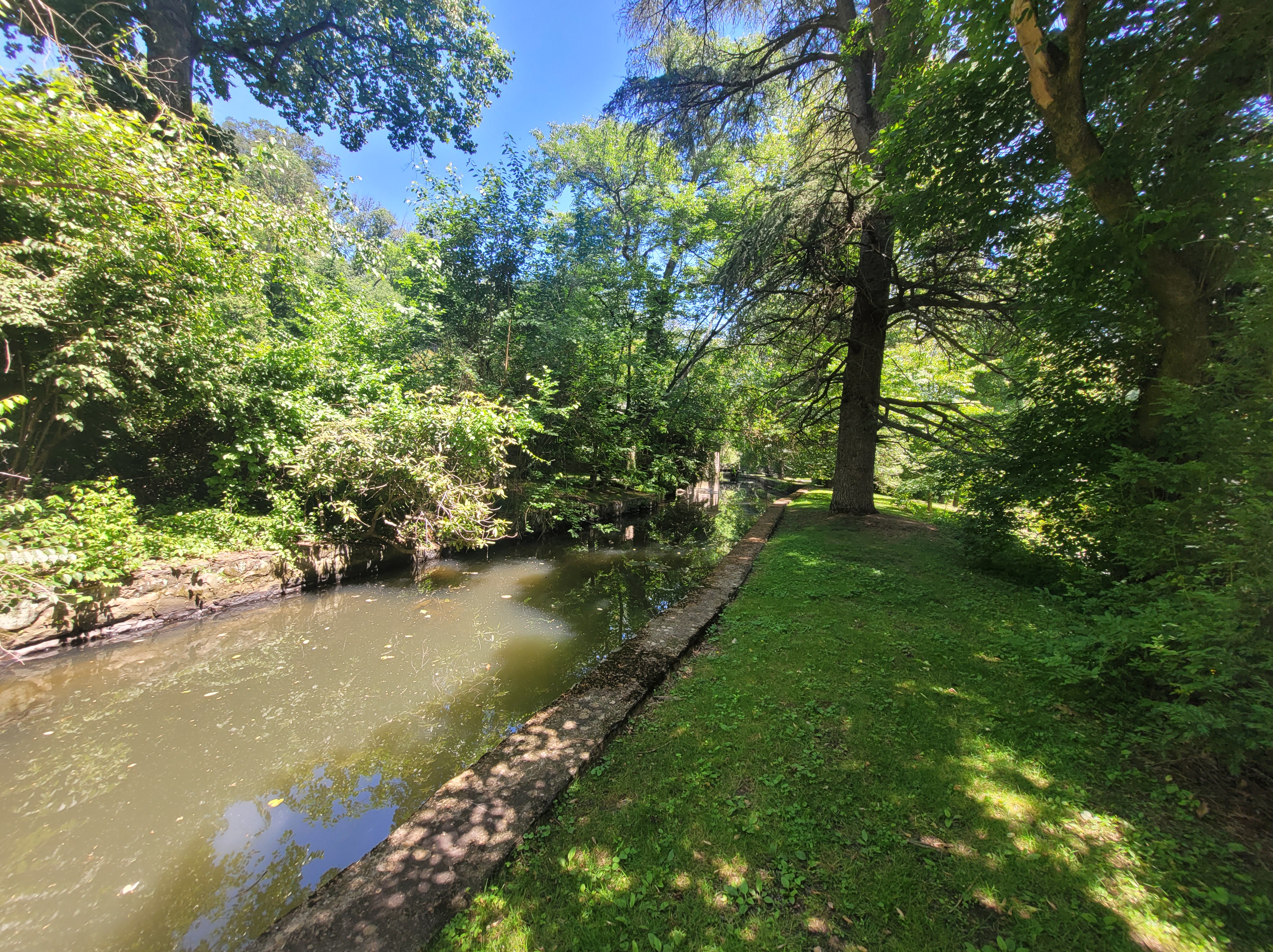
A jaunt to the grounds includes visiting the structures along the canal. After a few accidents at the house, the manufacturing moved to the canal to keep the growing production safer and to utilize water power from the creek to run the machine shop nearby. Our guide gave us a gunpowder demonstration with the family recipe and explained how the structures were built as three-sided stone squares. The fourth wall was covered with wood and other thin materials facing the water. In this way, if an explosion happened, the blast would use the path of least resistance and blow towards the water, not explode projectiles in all directions.
Considering the nature of the family business, the duPont family developed a set of intense safety protocols for all their workers to follow. Even though accidents did happen occasionally, they were a relatively safe company for the time. Apparently, those who work in various duPont factories today also have intense safety protocols…a healthy holdover from the company roots.
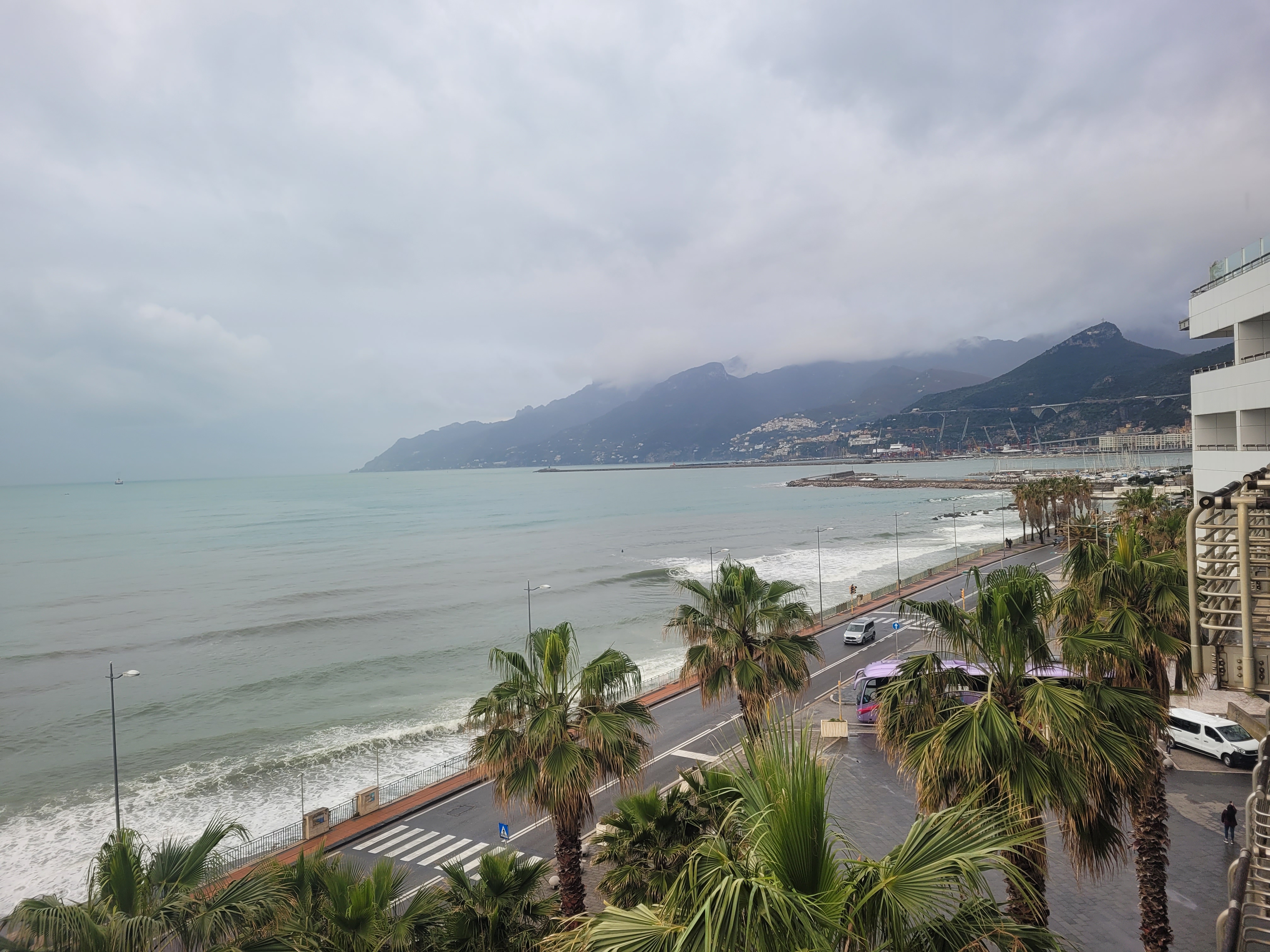
This was our last day to explore Italy. After another delicious breakfast, we boarded the bus and enjoyed the amazing coastline as we left the Amalfi Coast.
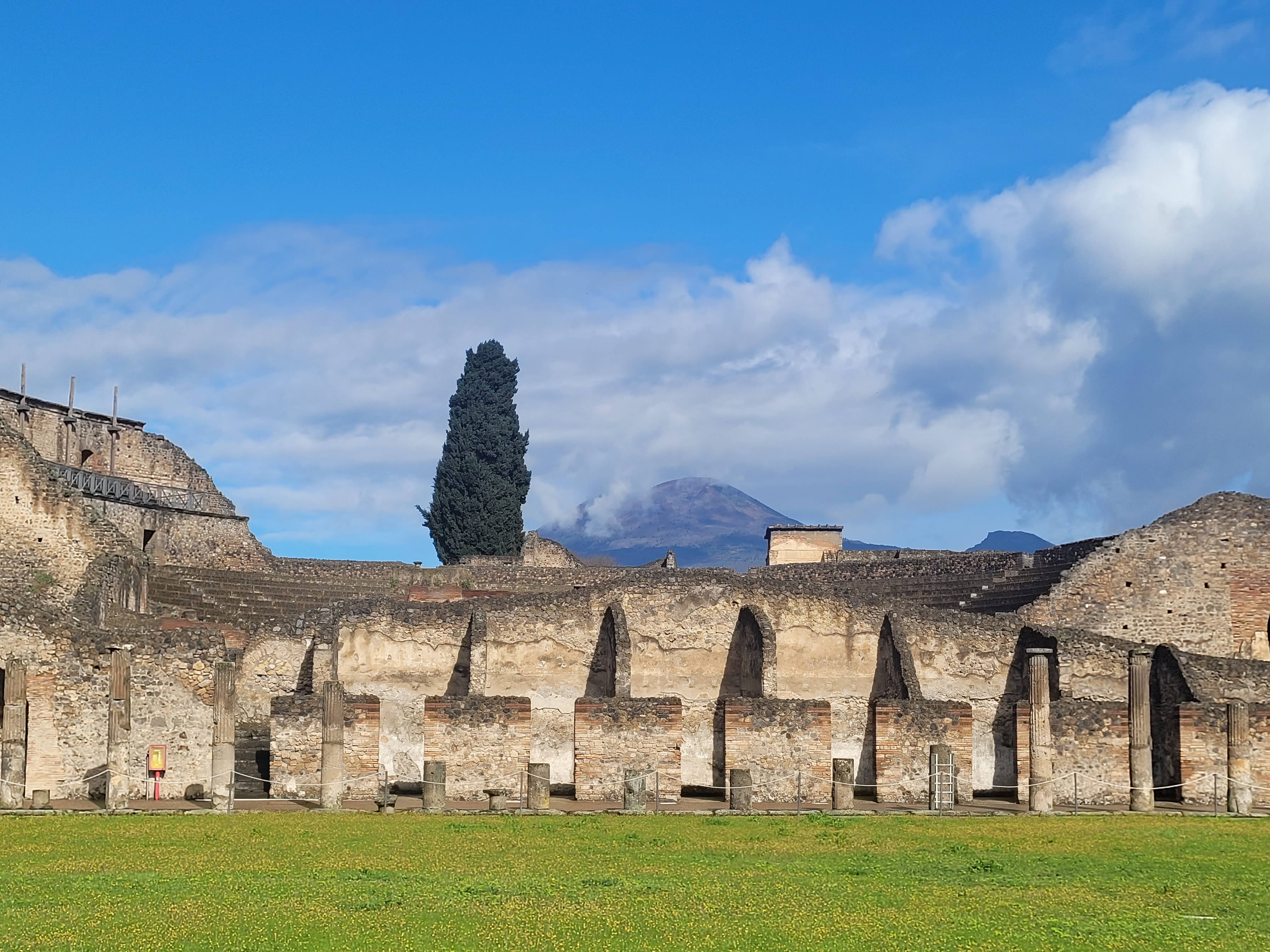
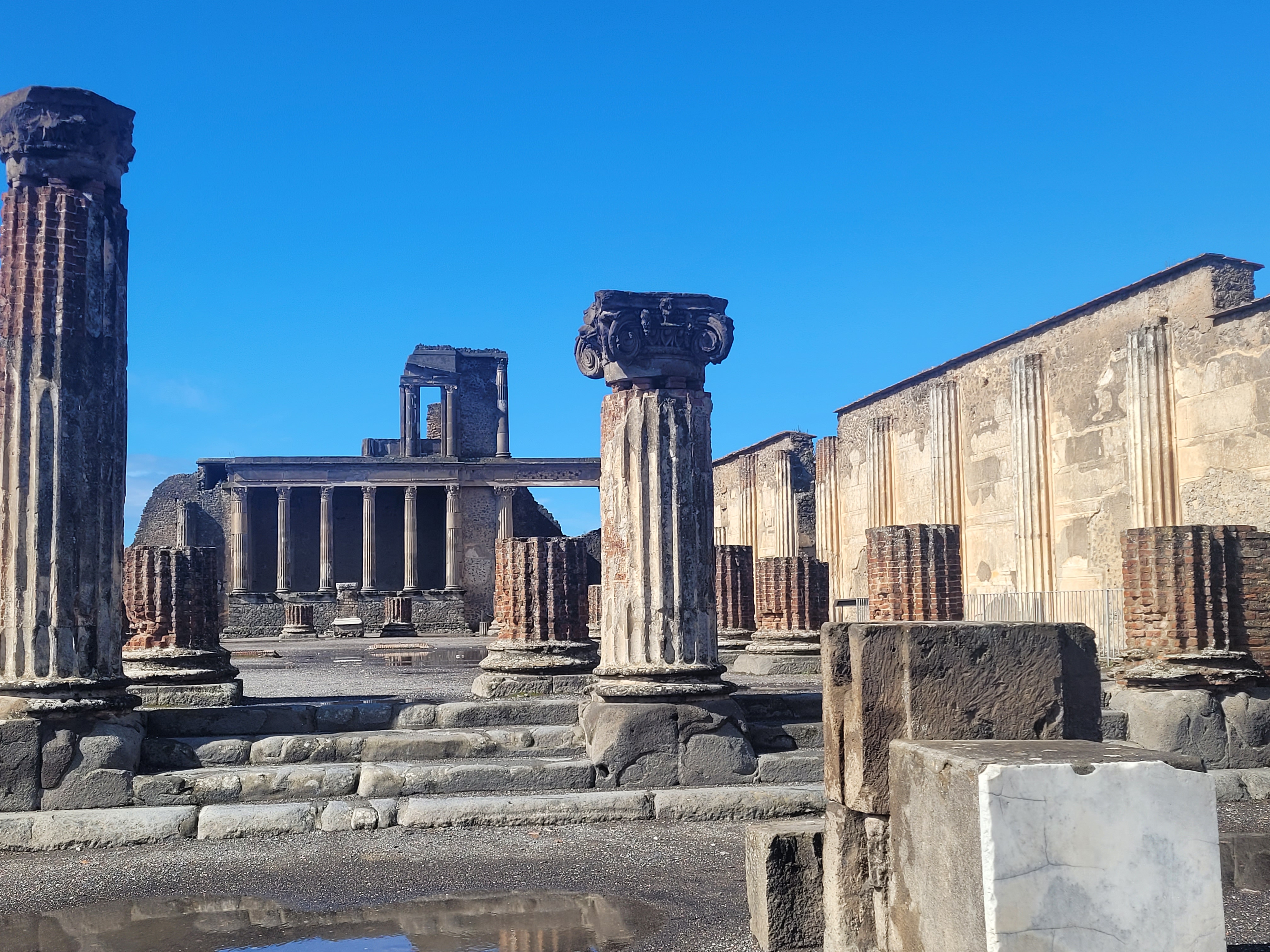
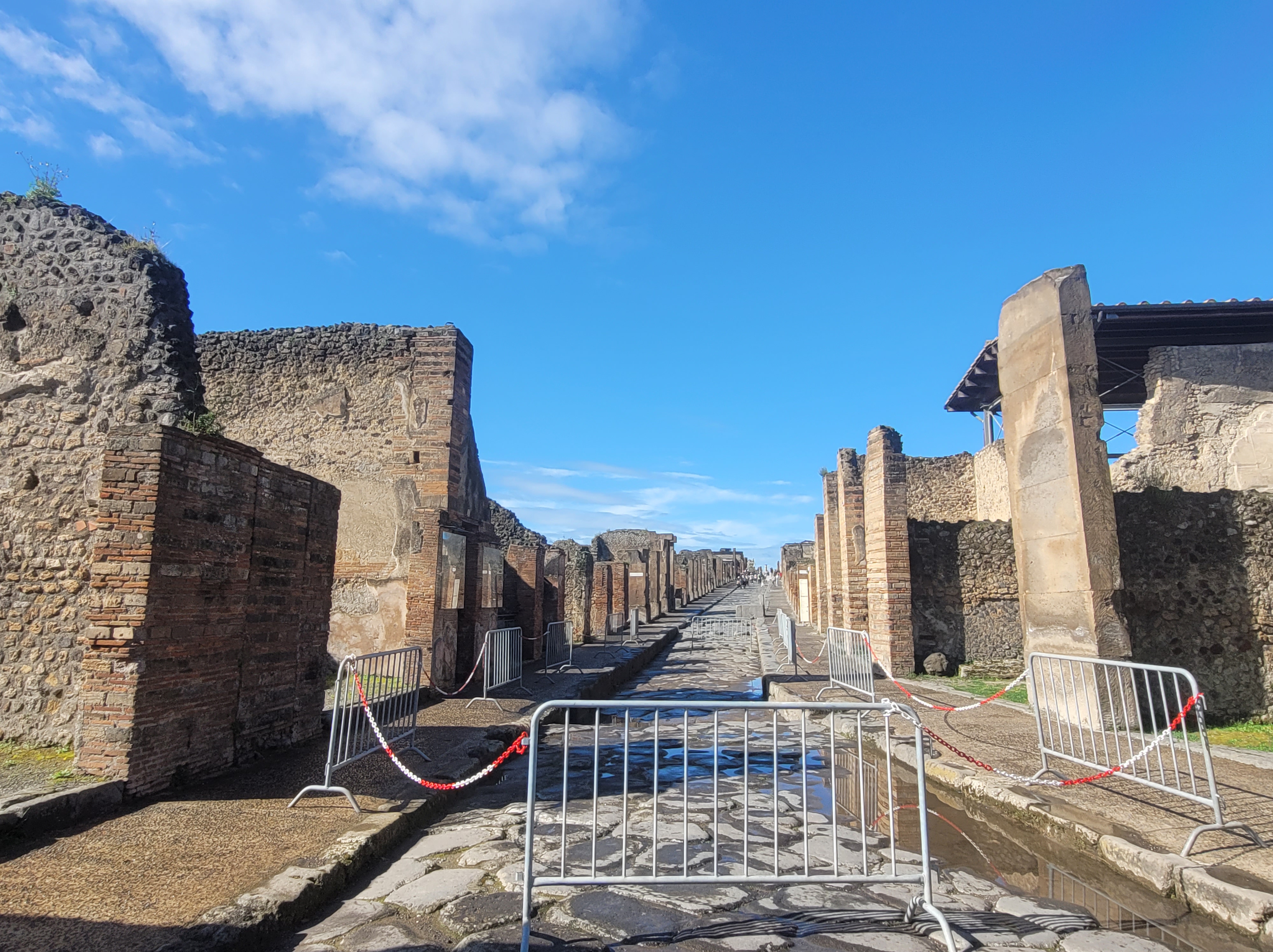
We arrived in Pompeii early in the morning and entered when the location opened to meet our local guide. The day was surprisingly warm and sunny, which we welcomed after a handful of frigid days we had experienced on the trip. Our guide took us around the archaeological site for about two hours, explaining a detailed history of the city’s past as we explored the ruins, and learned how modern the city was for its time before the eruption.
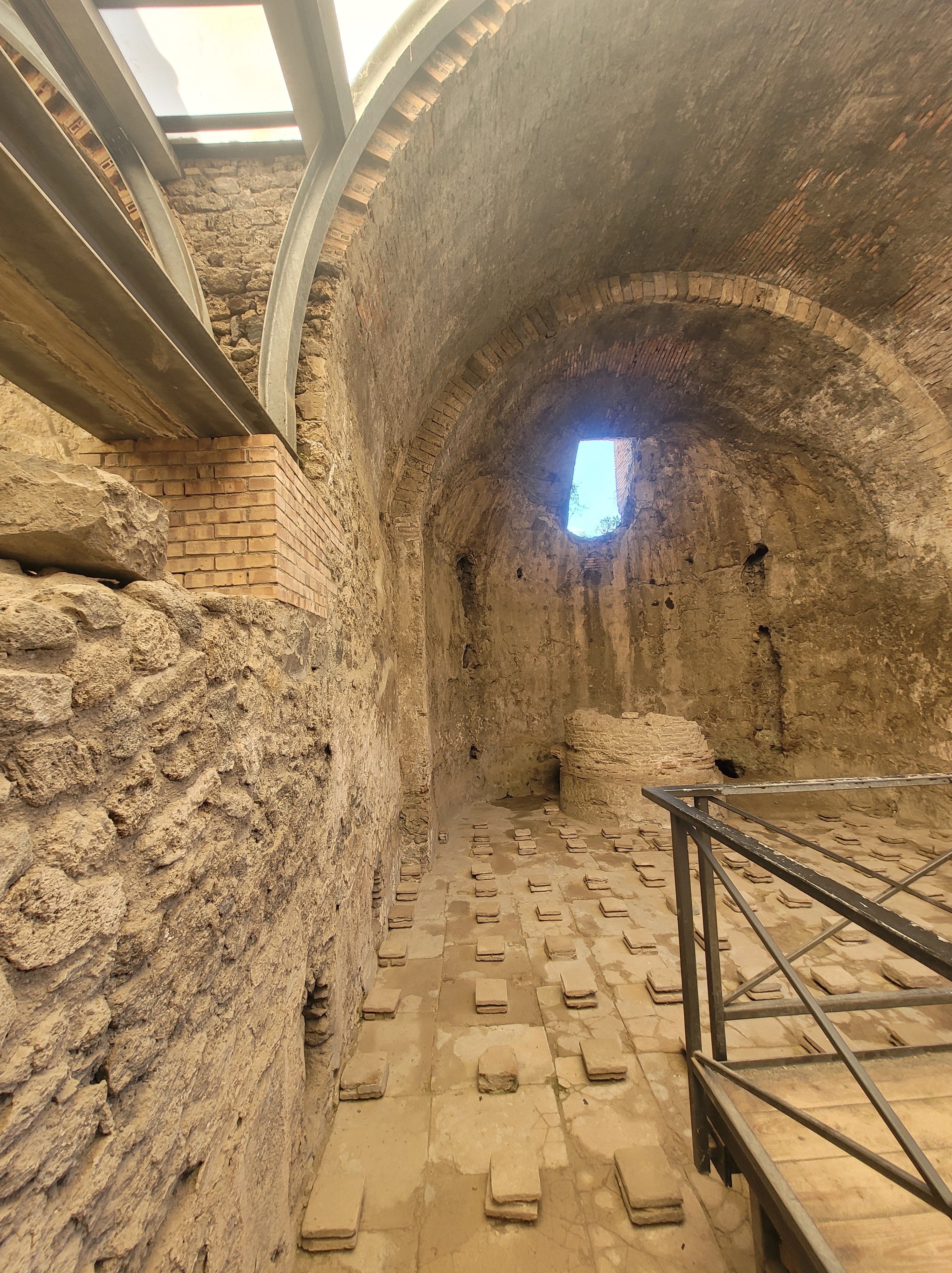
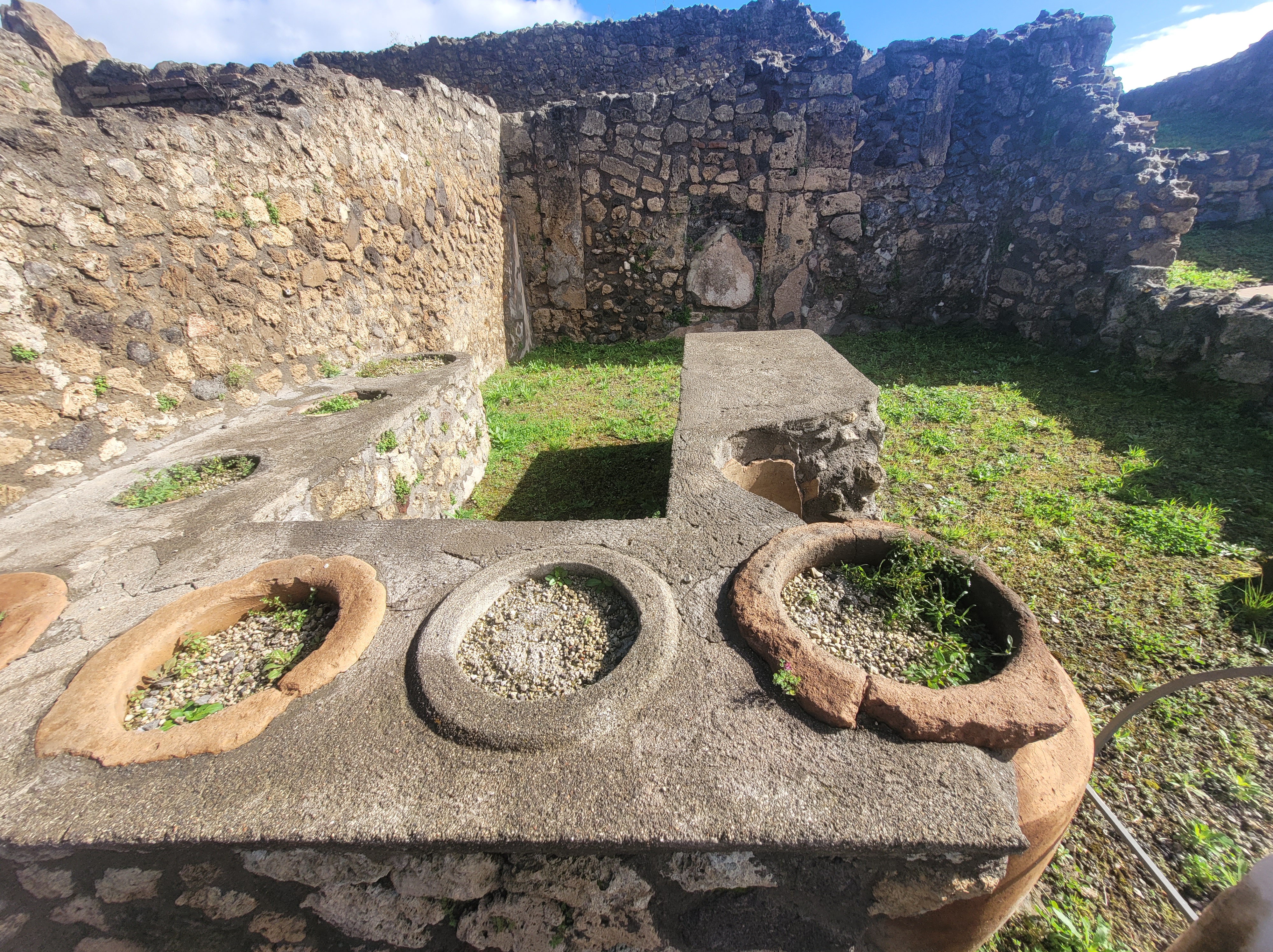
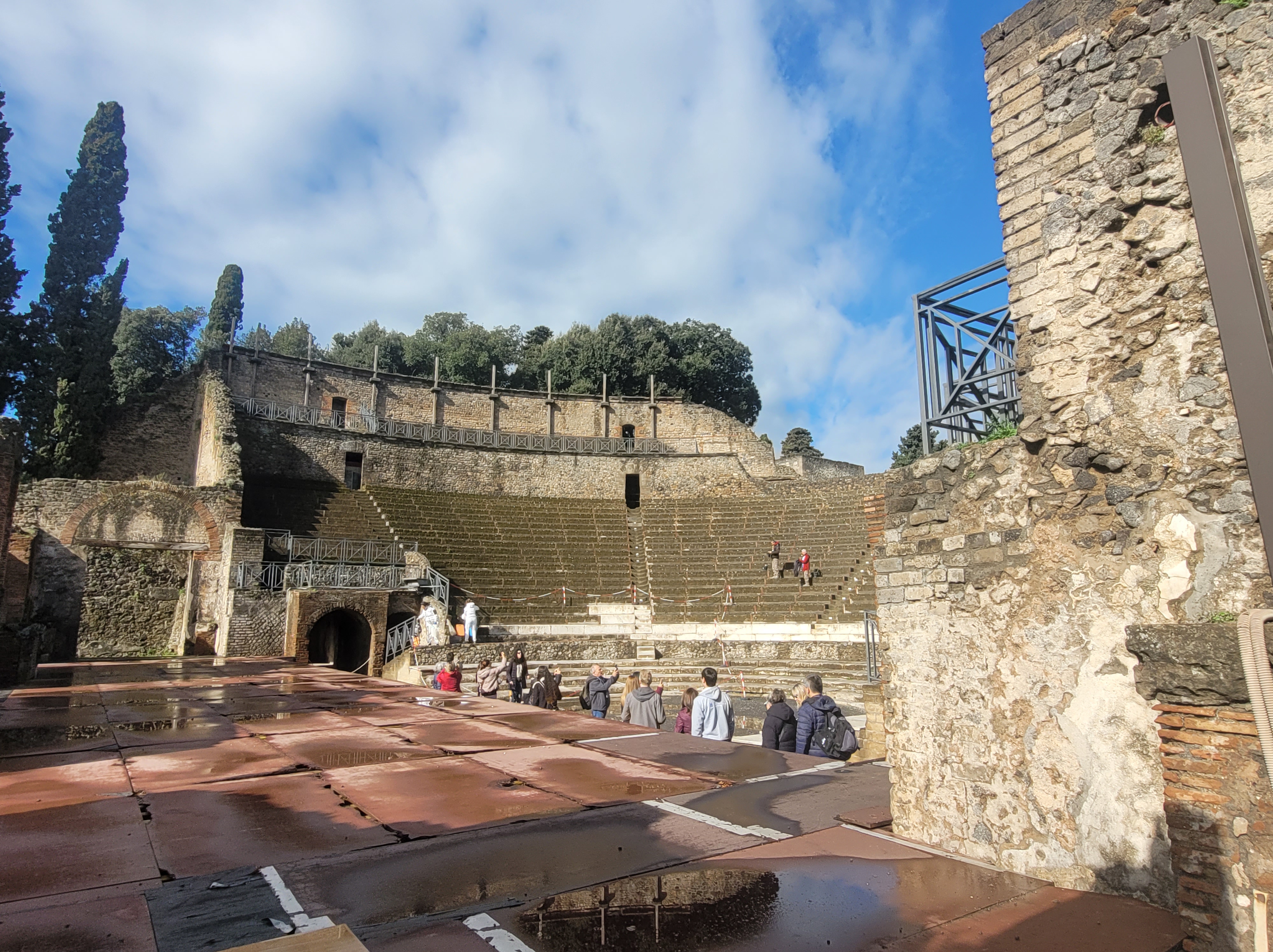
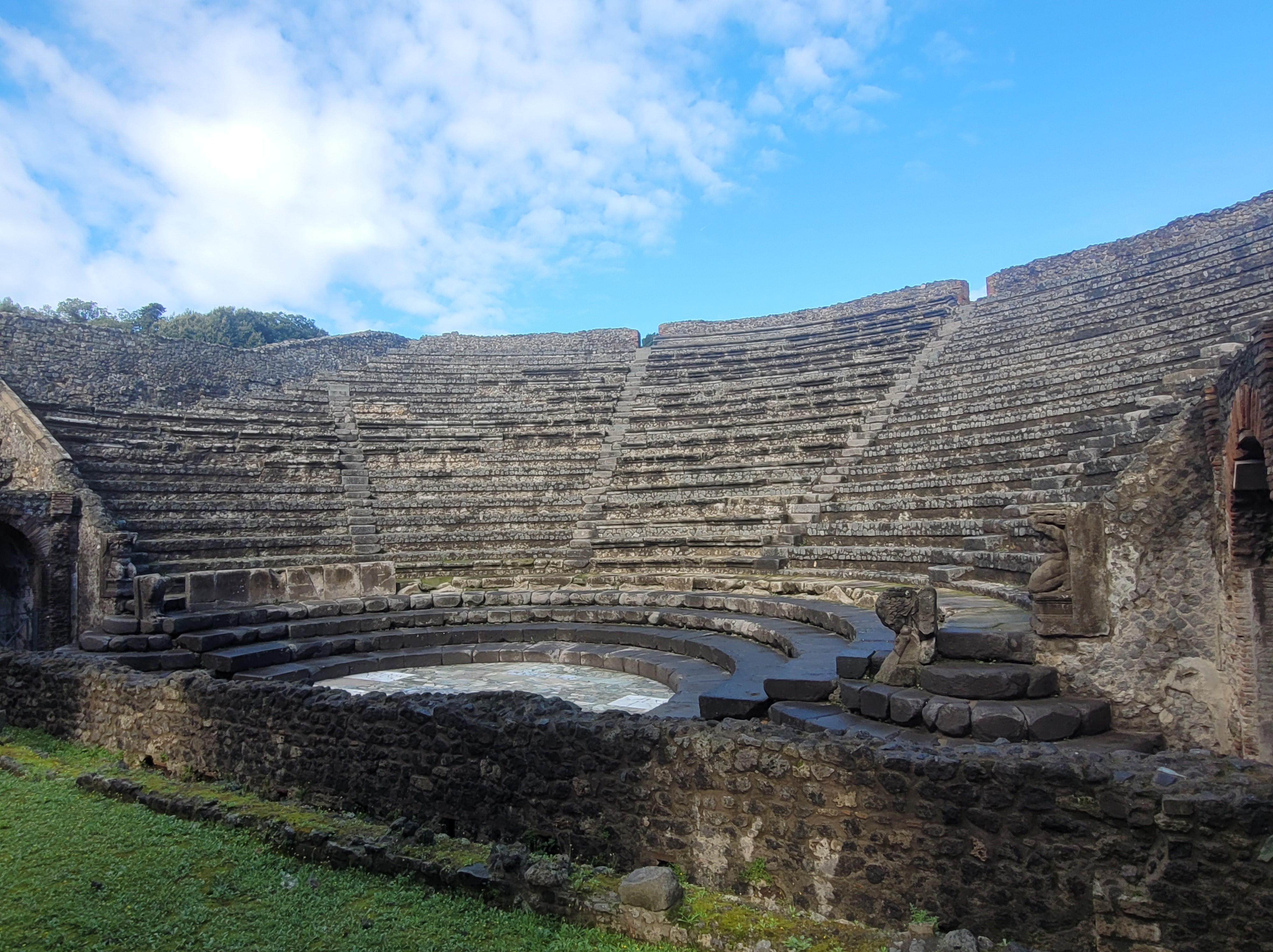
The scale of the city was larger than I realized and boasted things like bath houses, fast food stalls, and two theatres.
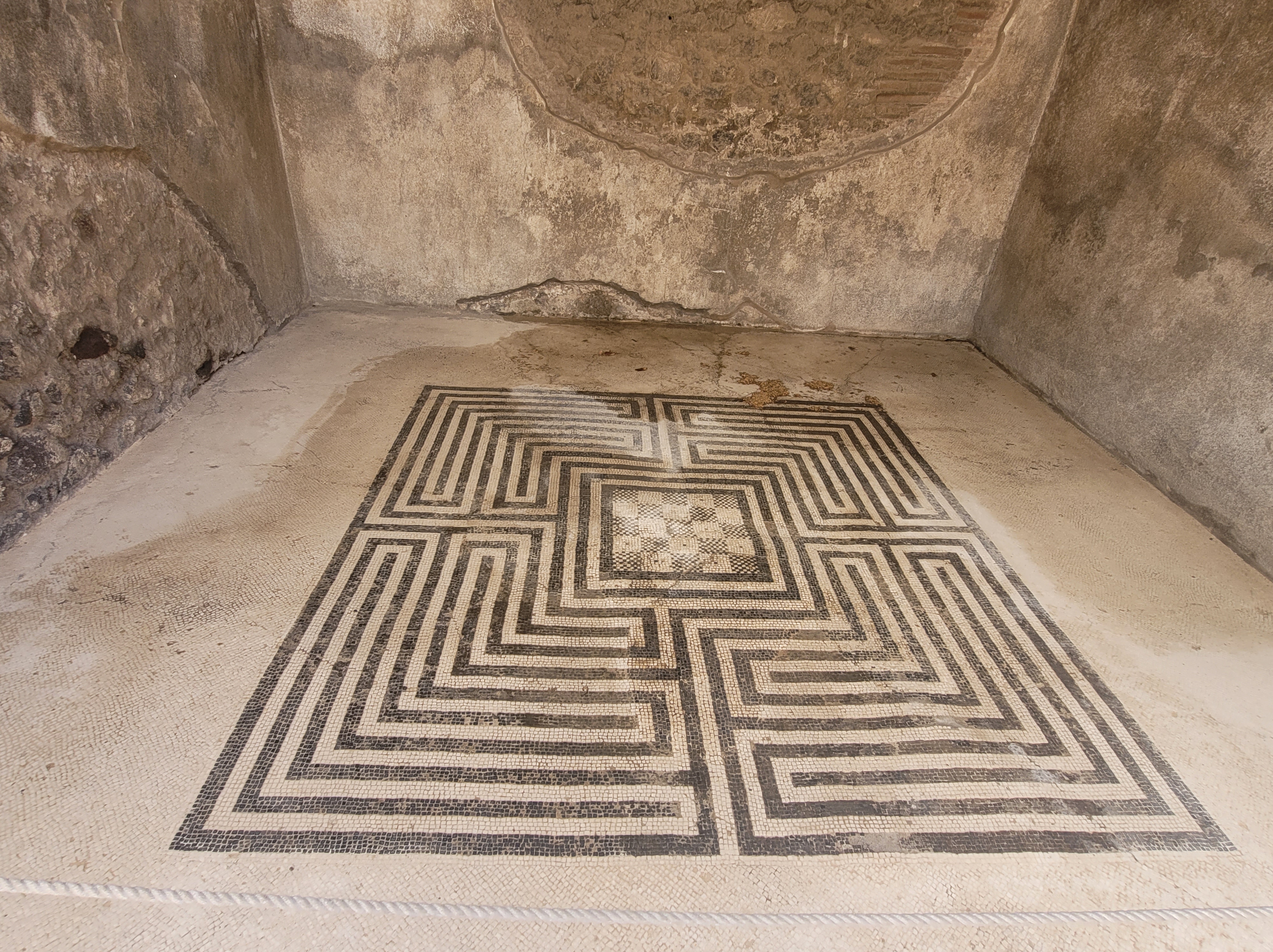
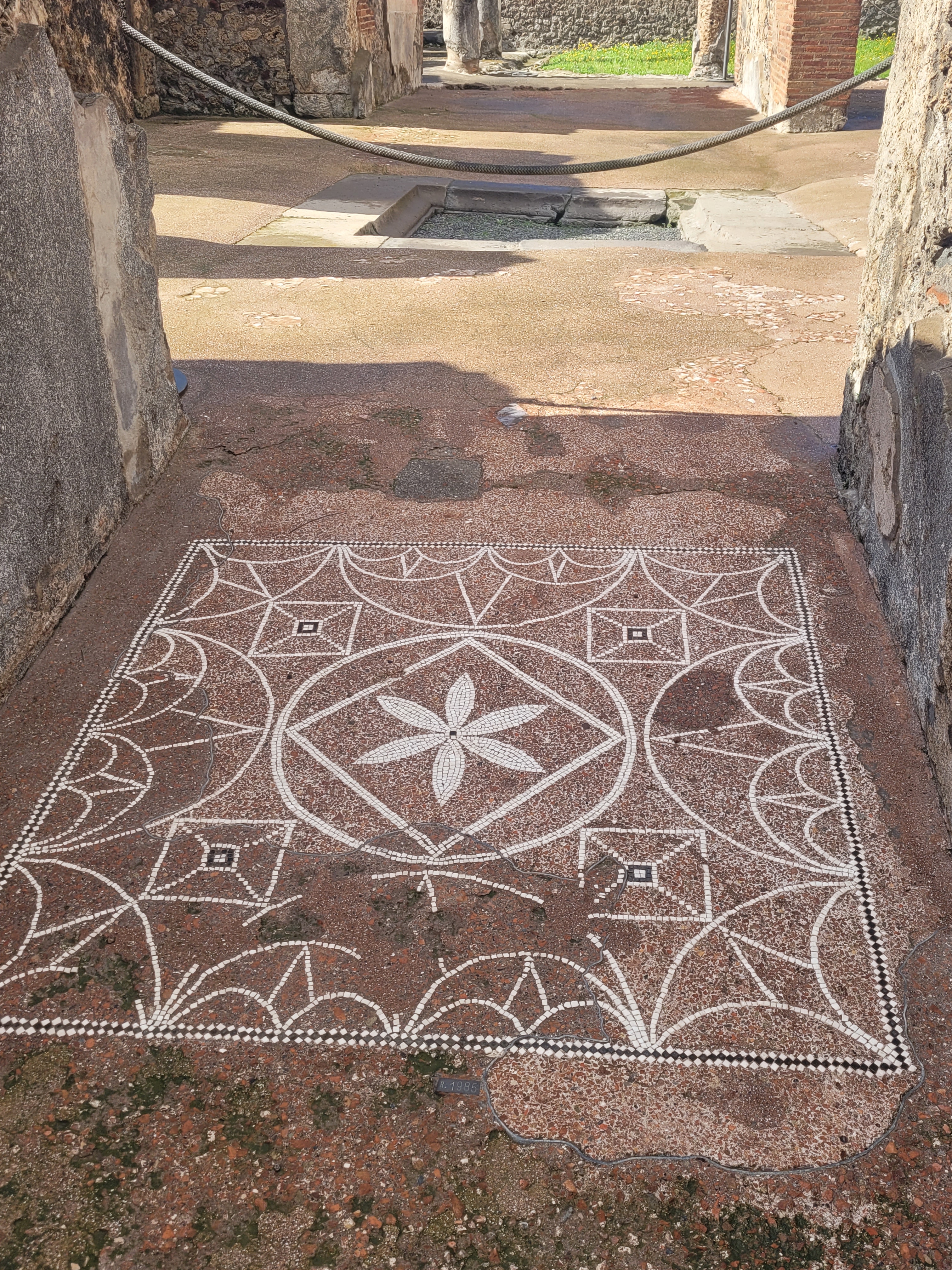
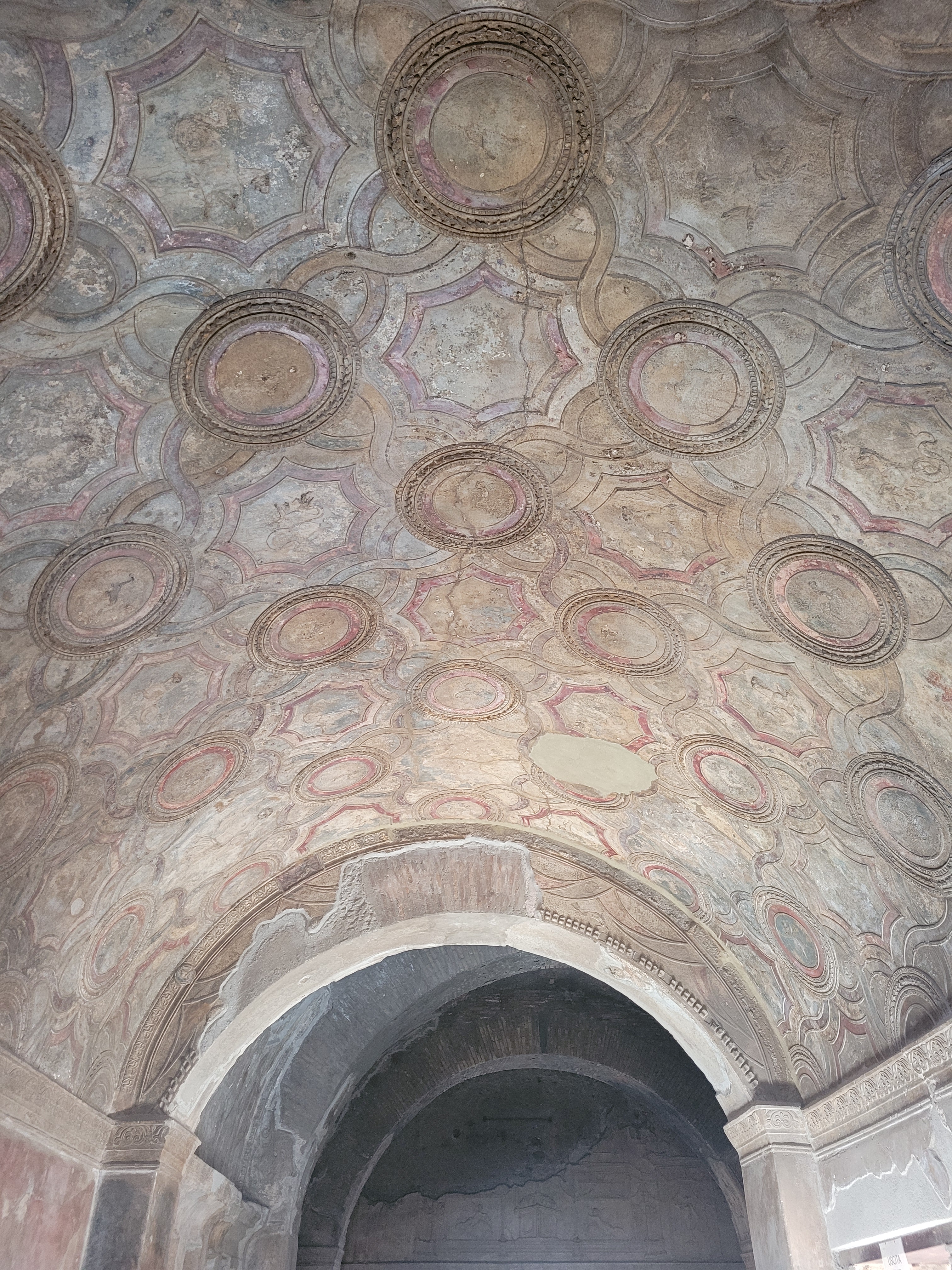
It was amazing to see how well-preserved the houses, clay artifacts, frescos, mosaics, and plumbing systems are to this day.
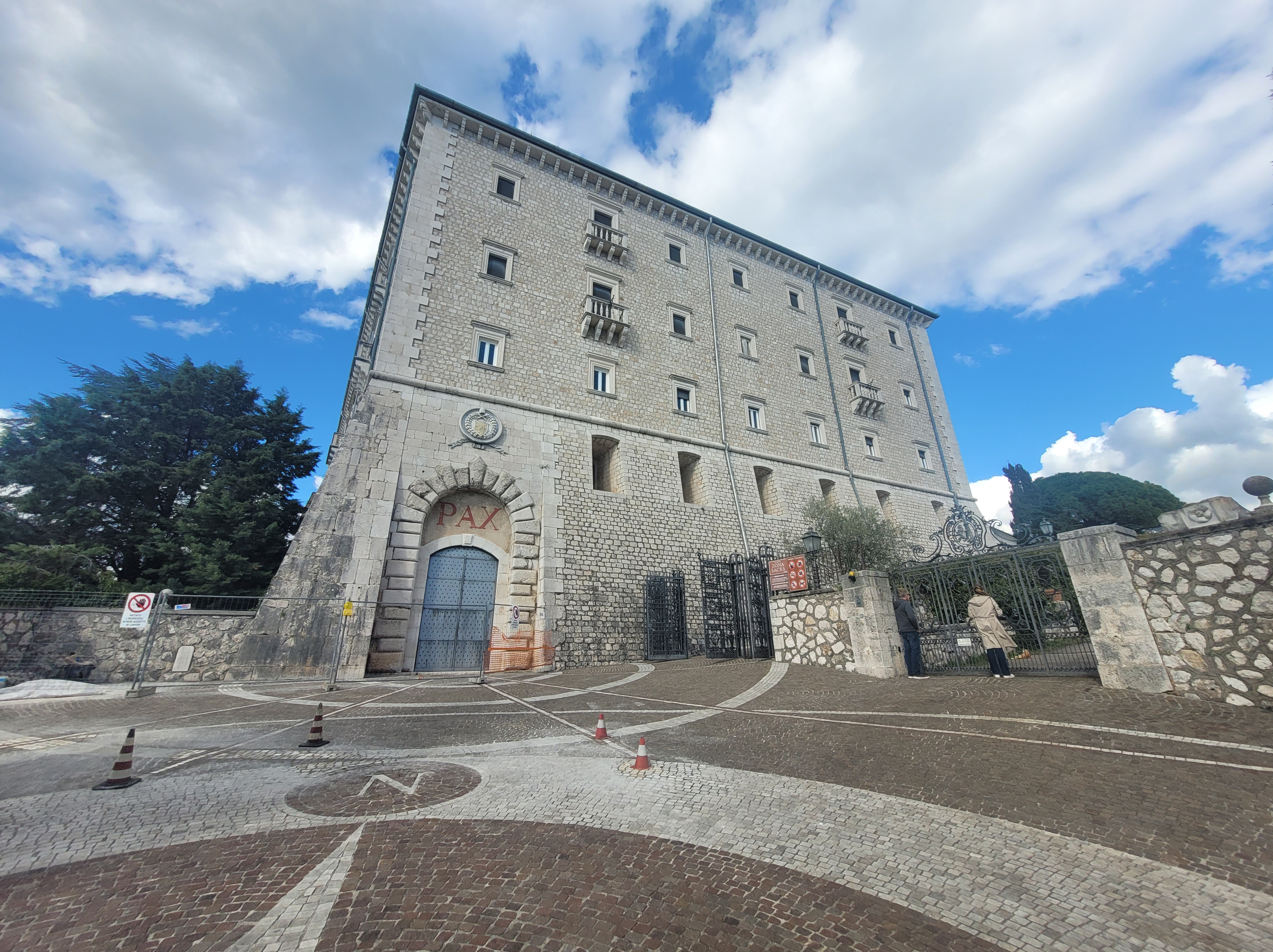
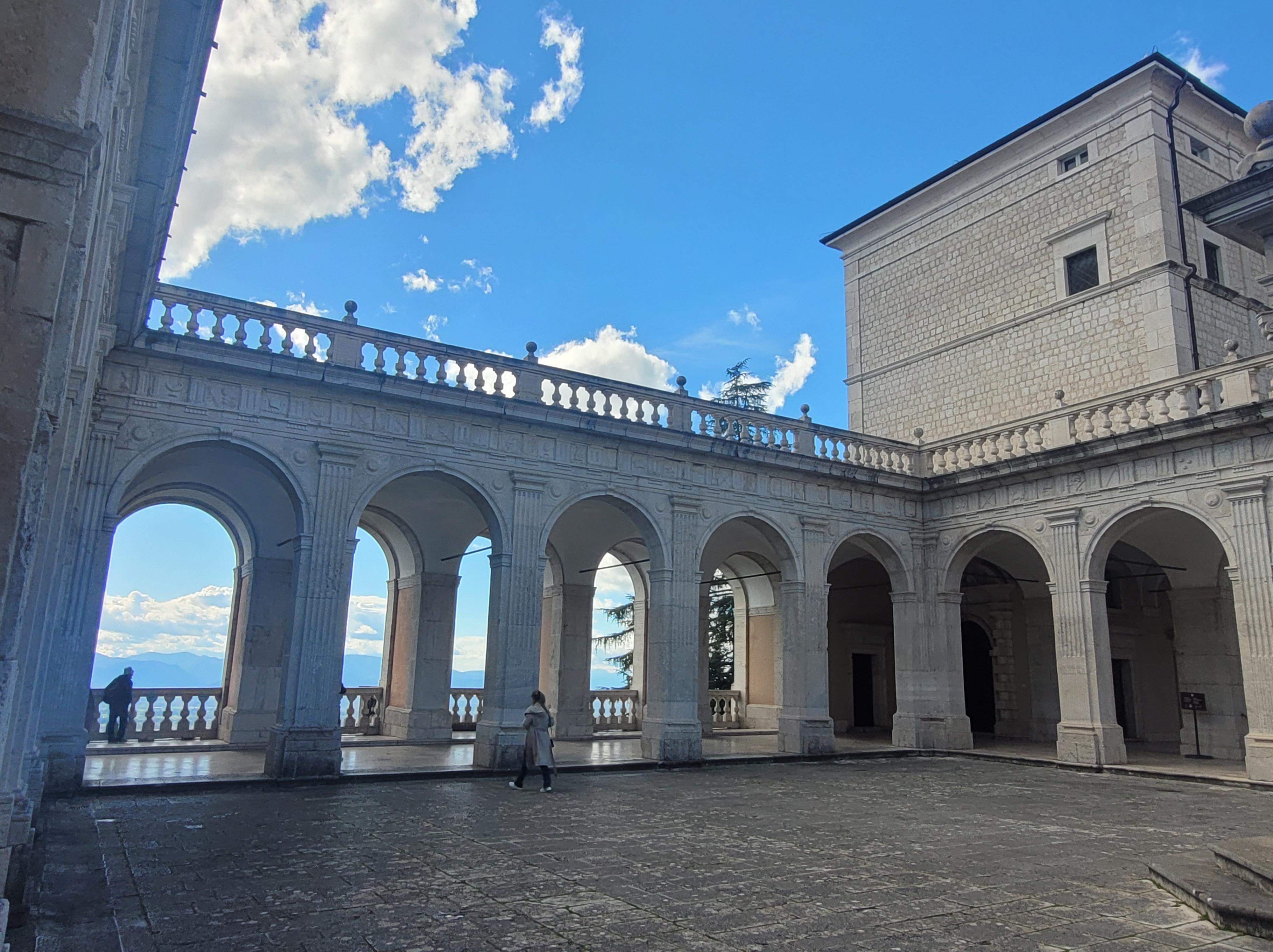
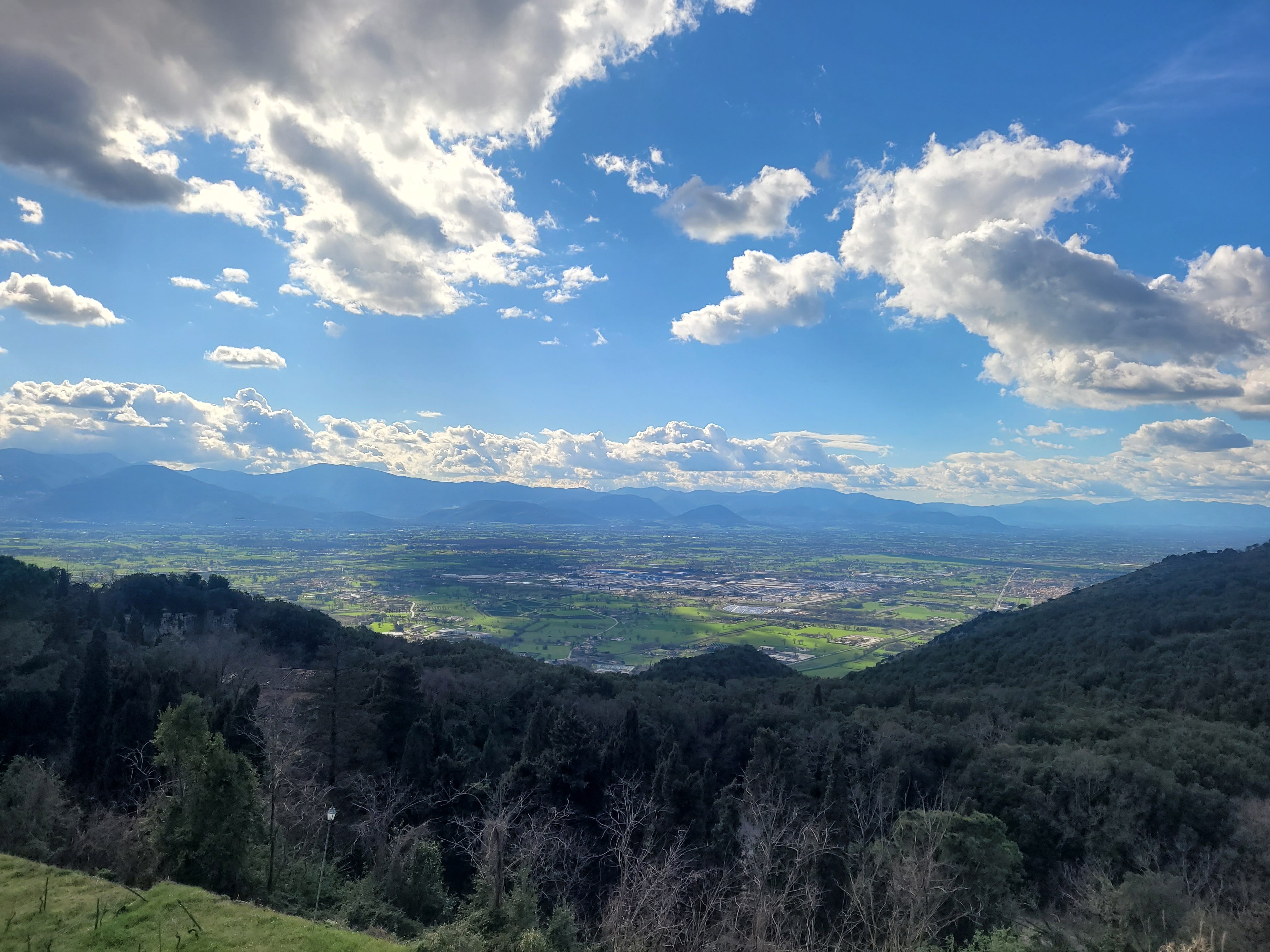
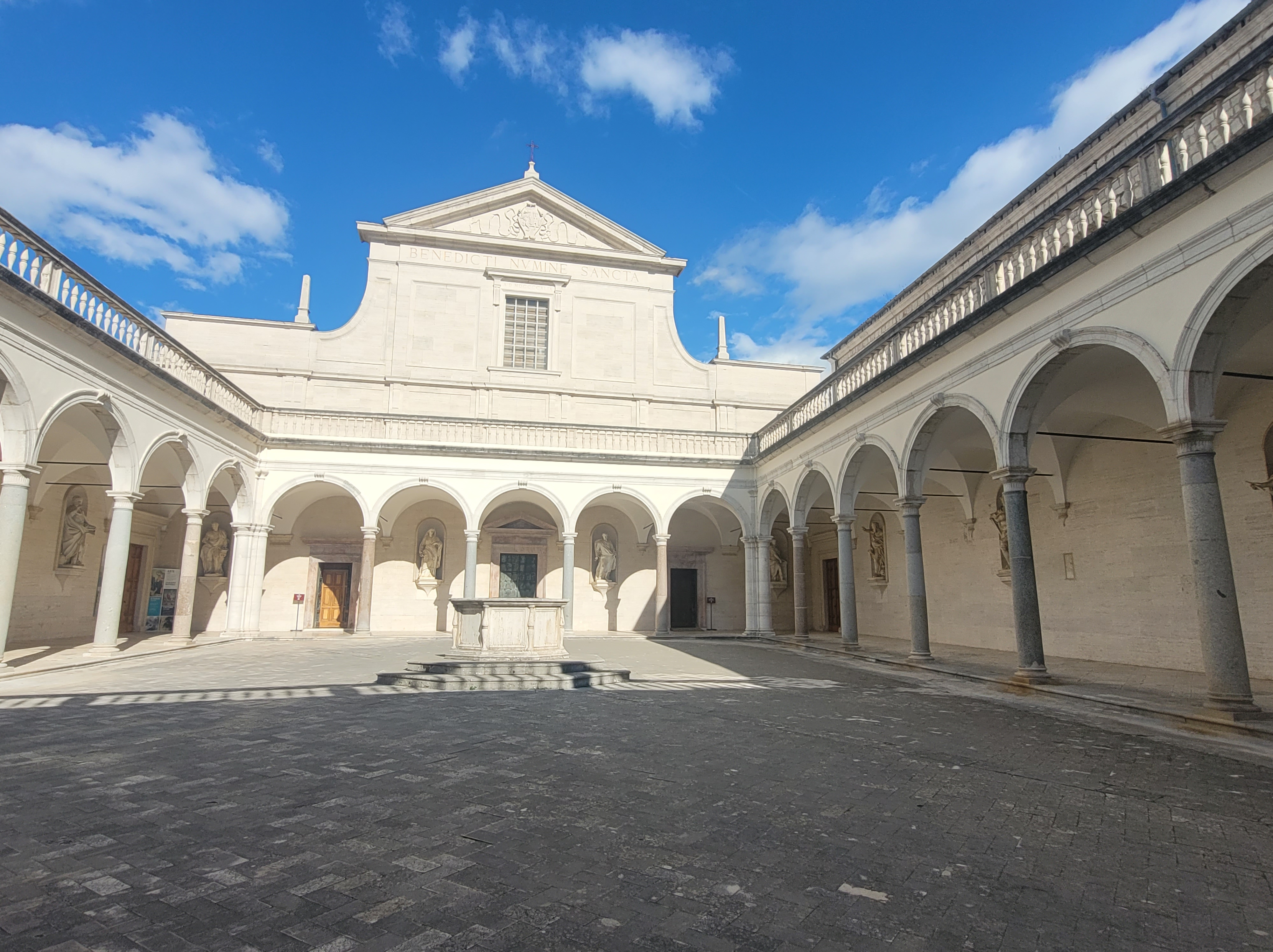
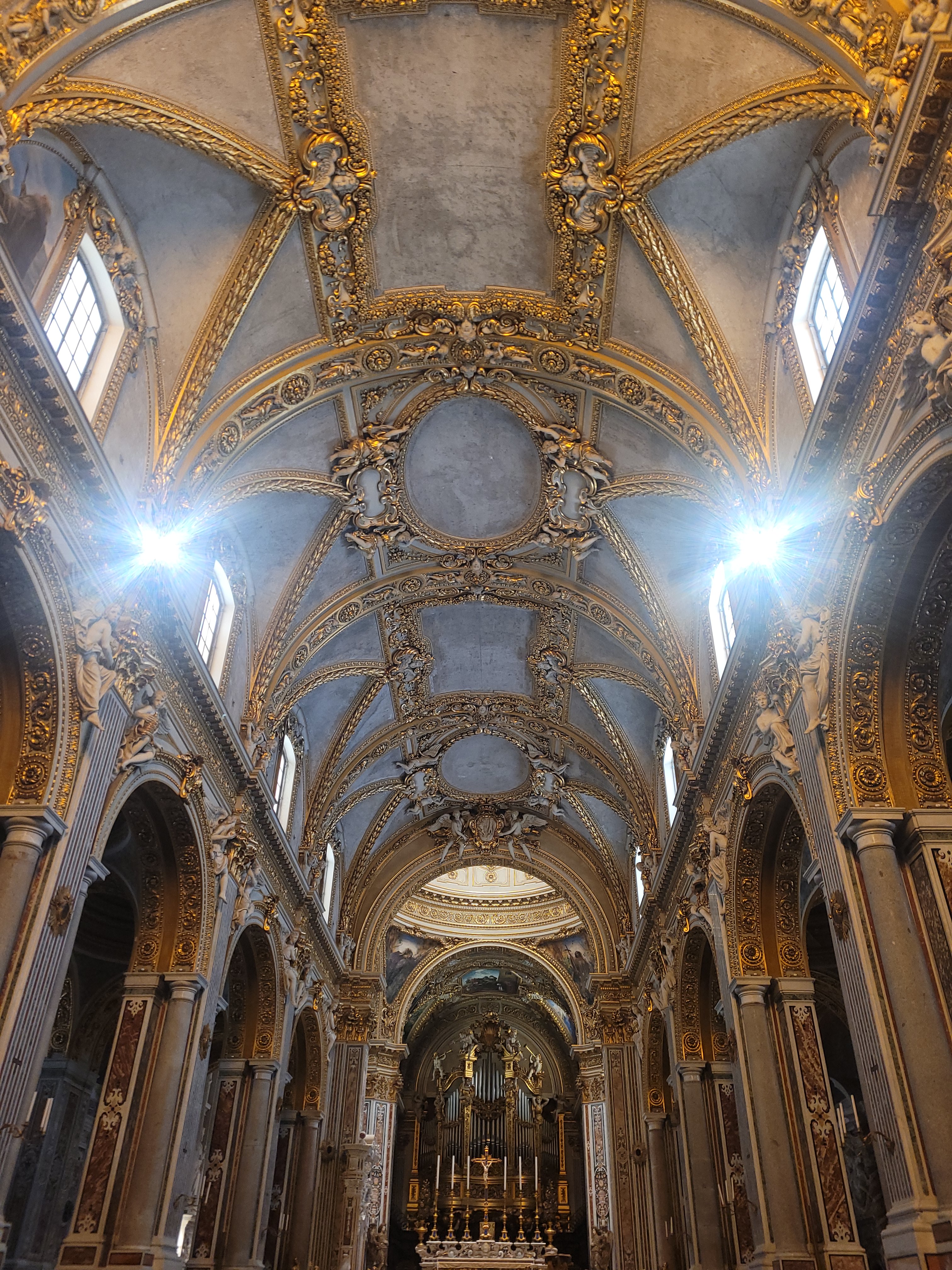
Just outside the complex are rows of souvenir shops with a restaurant on the corner, where we grabbed lunch before heading out of town. After an hour and a half, we made a stop in Cassino to see a large abbey. It was located at the top of another large hill which made for amazing views. In a large open courtyard, we saw a film crew filming a local movie. We were able to walk around the edge, enjoy the view from the windows, and continue up the stairs into the church when they took a filming break.
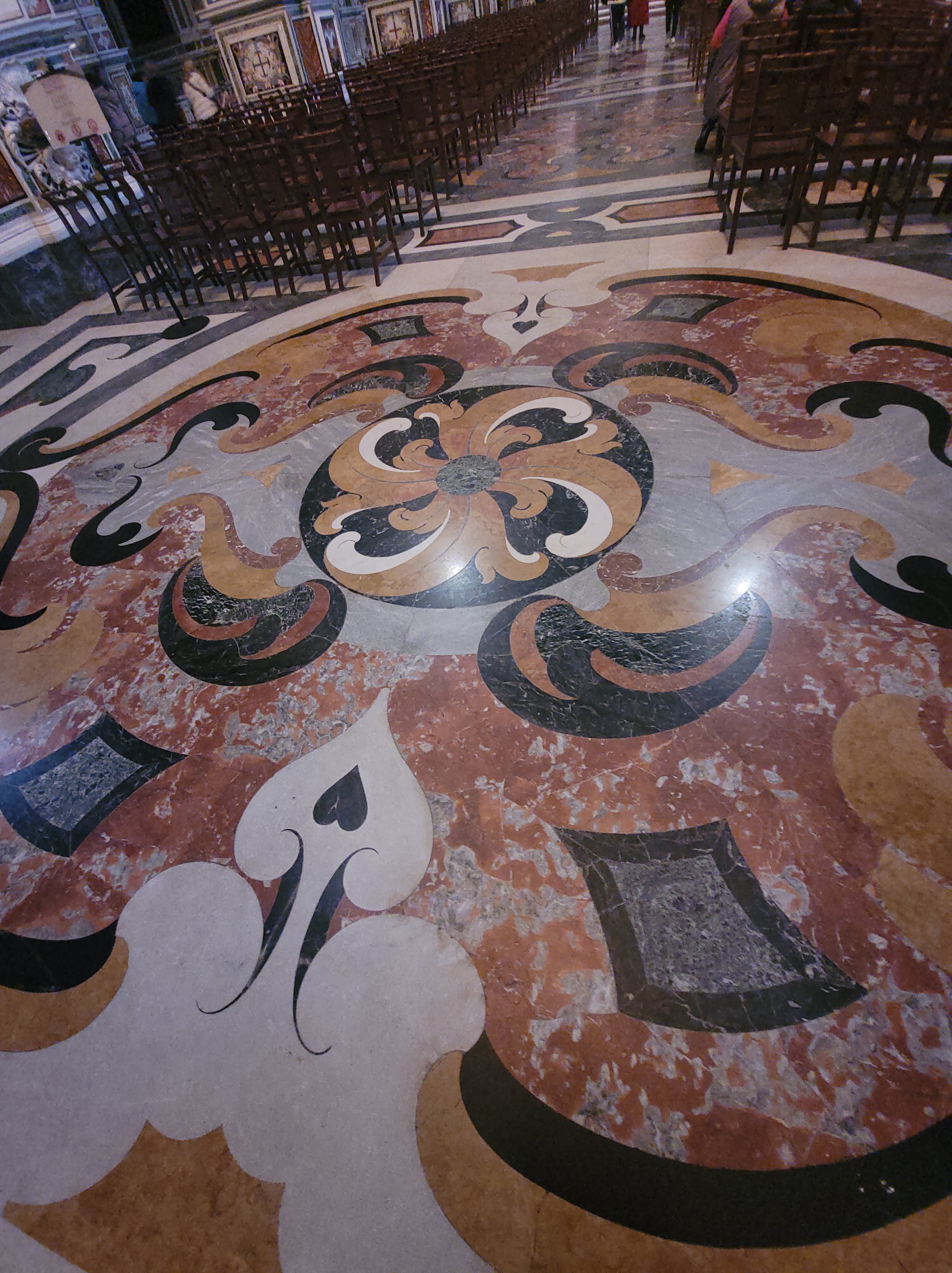
We never got tired of seeing the intricate marble work and carvings in the churches throughout the country.
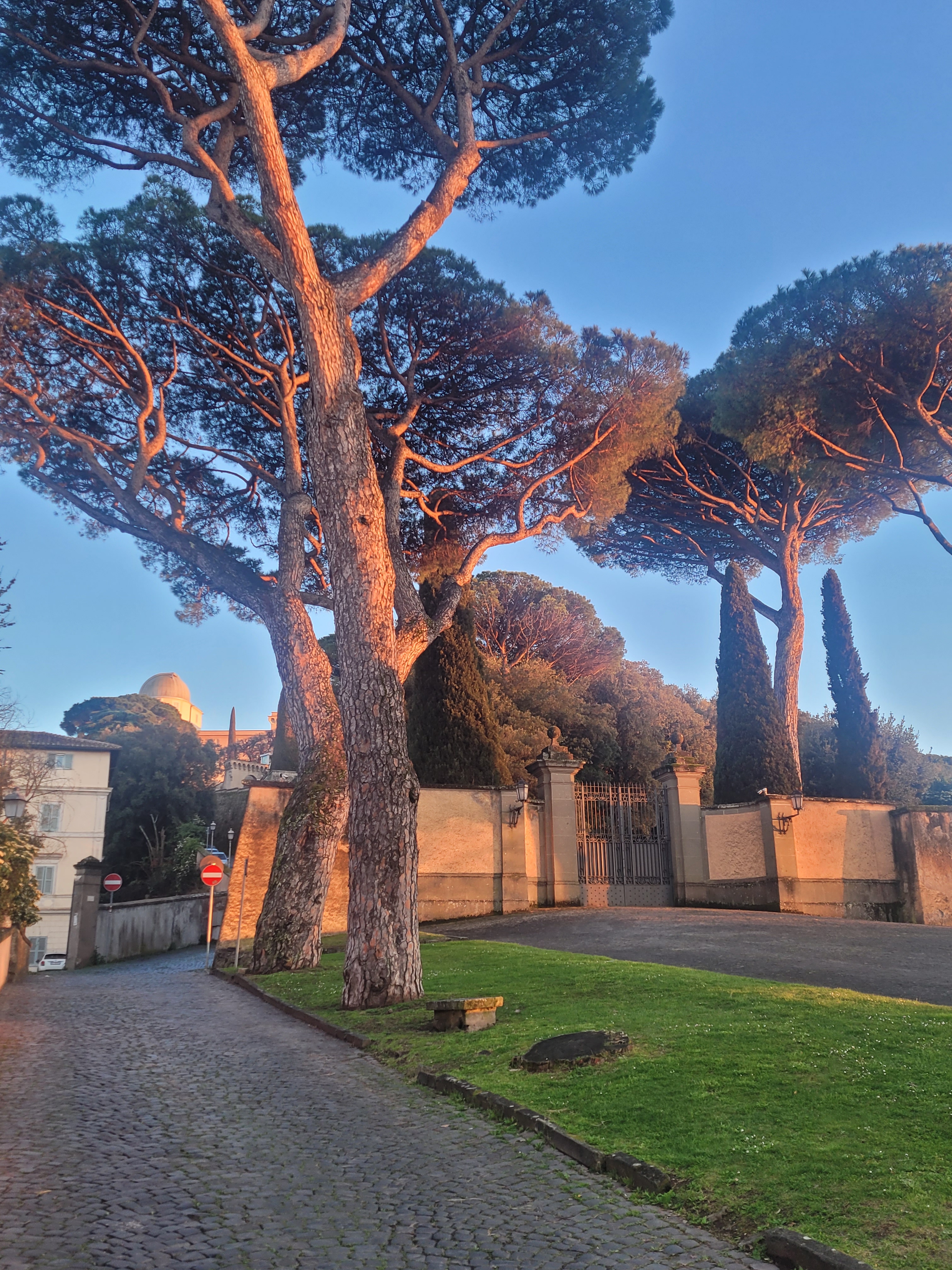
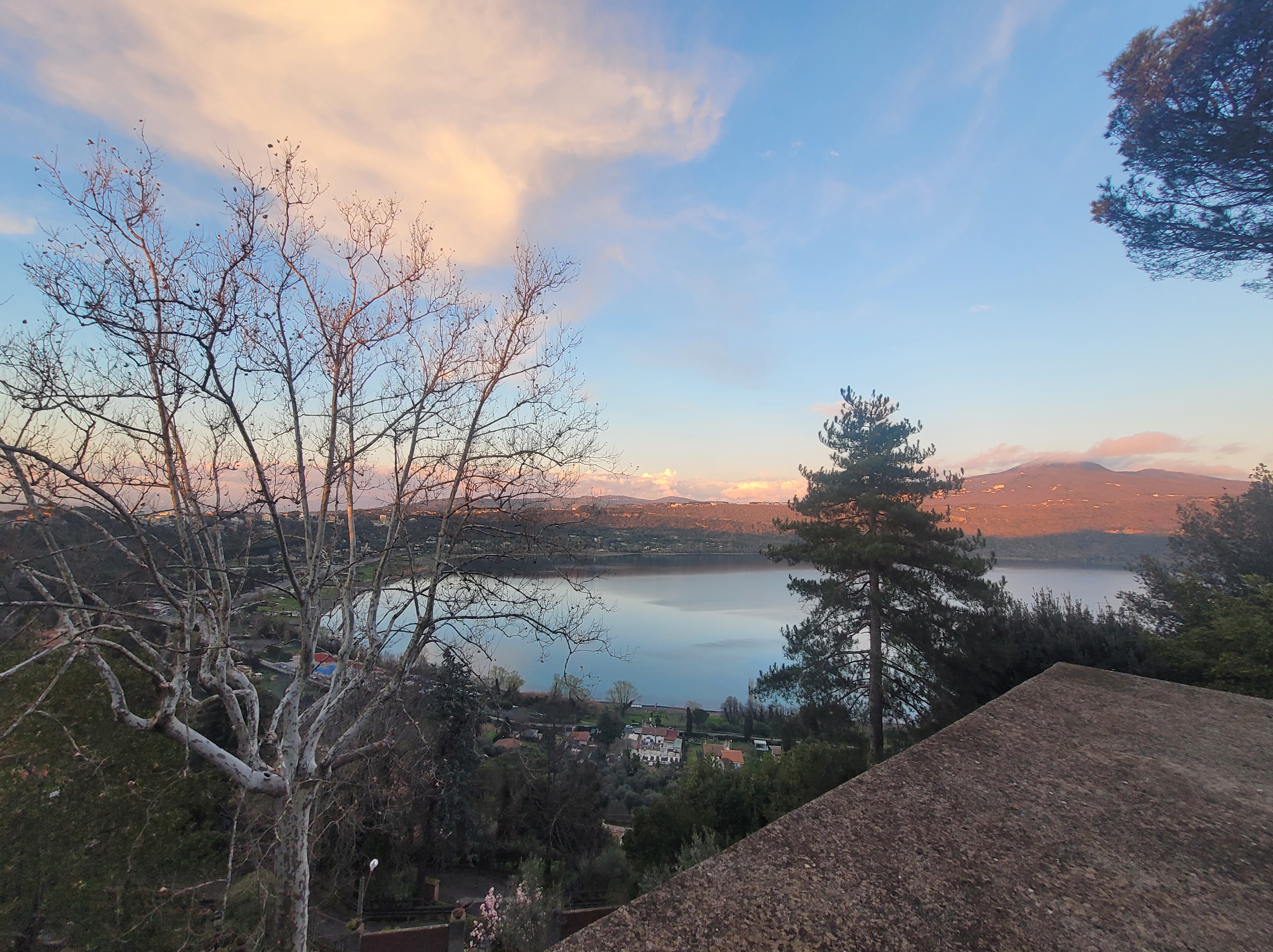
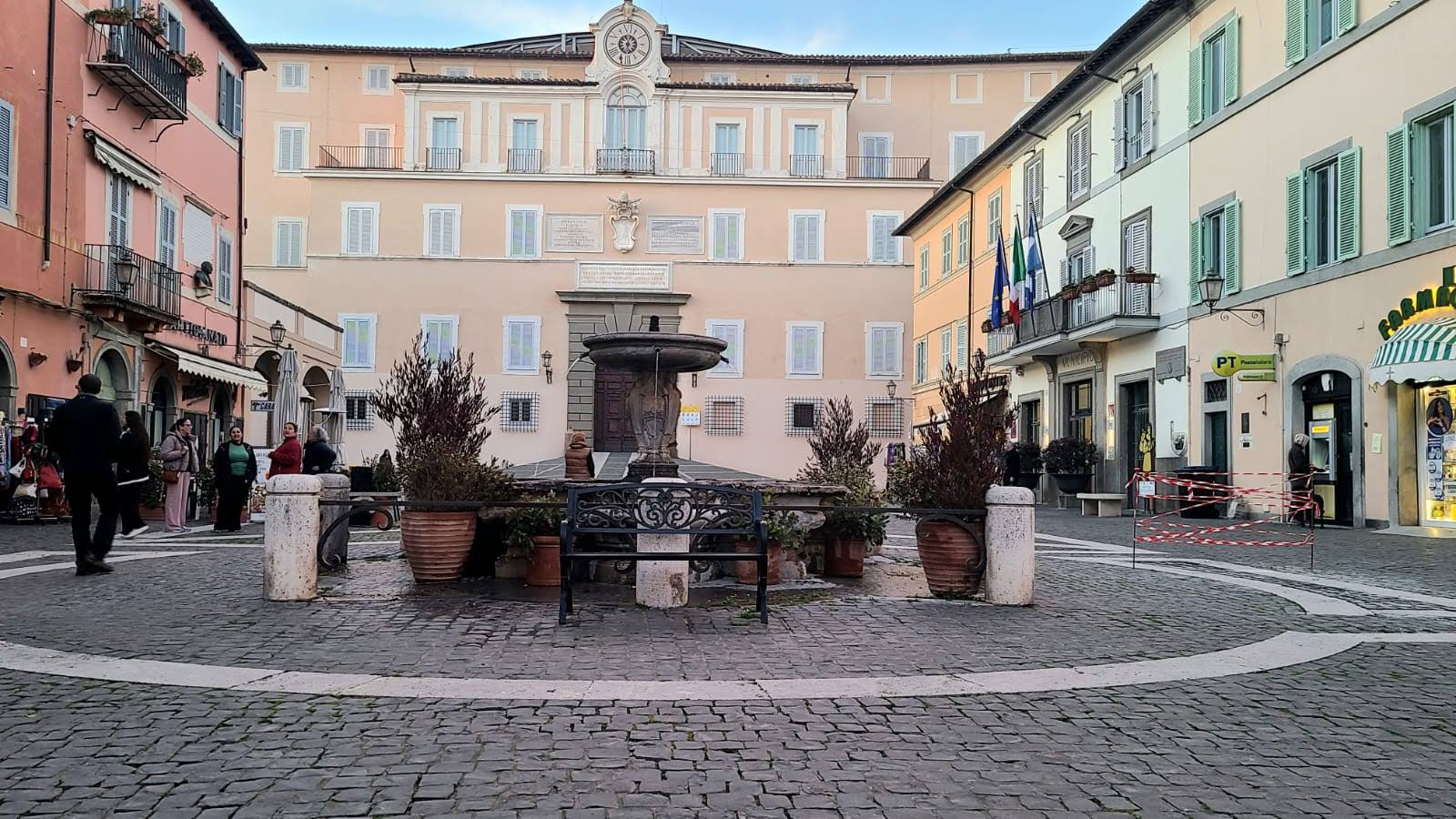
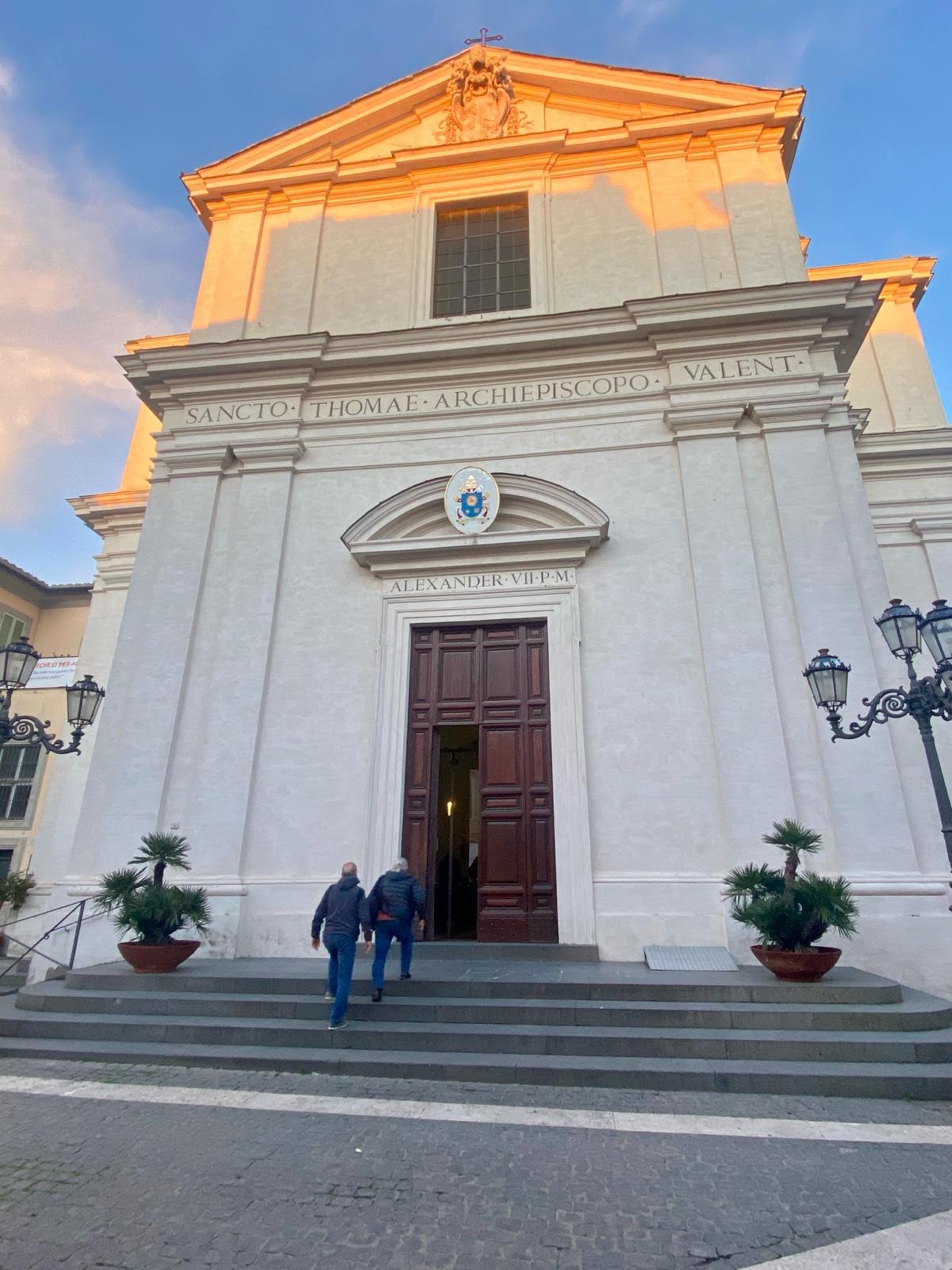
Back on the bus, we traveled another 45 minutes to Castel Gandolfo, the summer residence of the Pope. We viewed the front of the estate from the bus, with its manicured lawn. It appeared larger than life and very imposing. Our bus driver then had to drive us around to the other side of the town to get a view of the back of the estate. Here we were able to disembark and walk up to see the views on foot. Originally built up by Italian elite for summer residences or vacation houses, this town is situated at the edge of Lake Albano, a volcanic crater lake. In the 1960’s this lake was actually used for Olympic rowing competitions. Not a bad place to paddle around!
We traveled an hour back to Rome to end our whirlwind tour. It was wonderful to see so many cities, meet so many amazing people, learn so much history, take so many photos, and try so many different foods. Our family had a fantastic time during our two weeks of adventure and we made memories that will last a lifetime…and cause belly laughs reminiscing about!
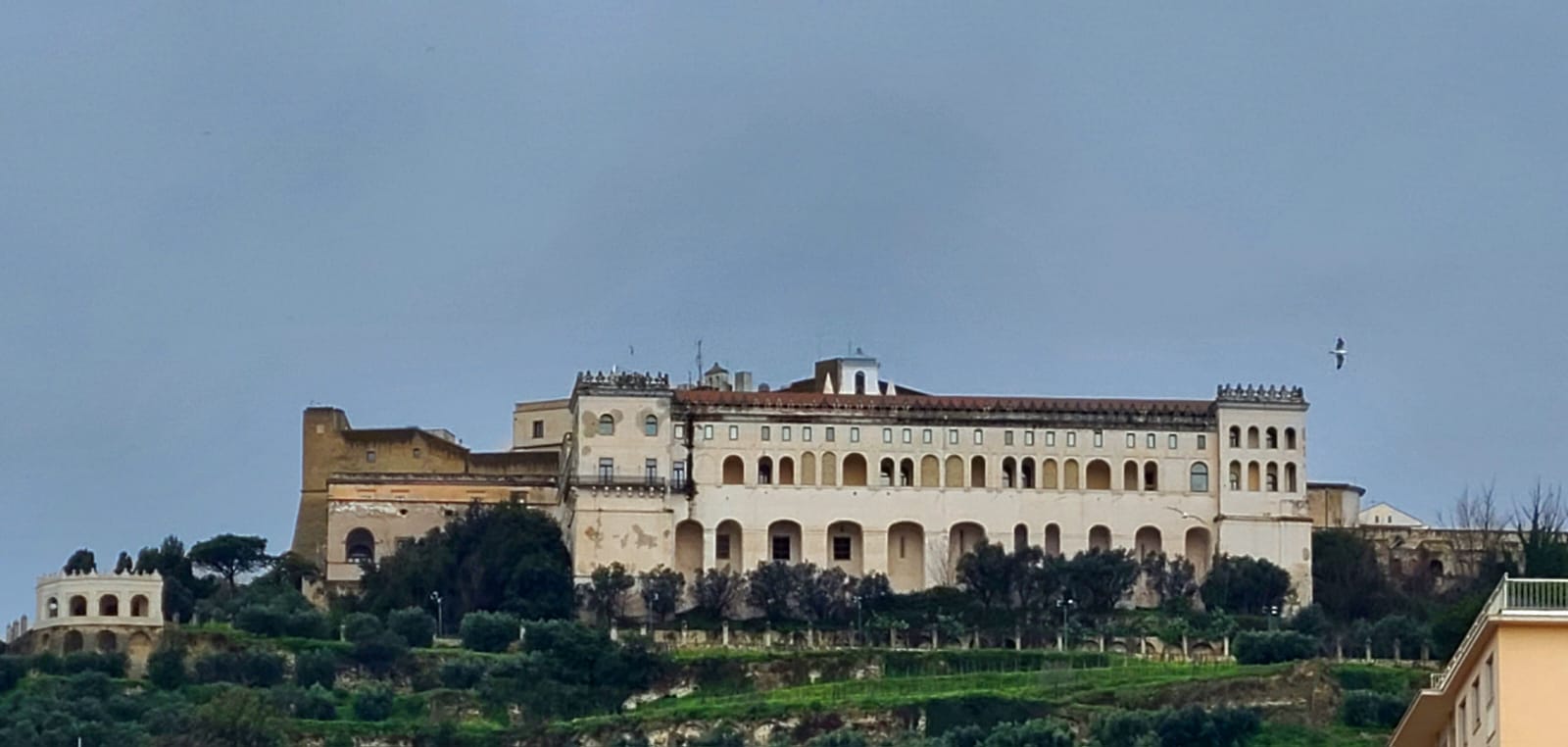
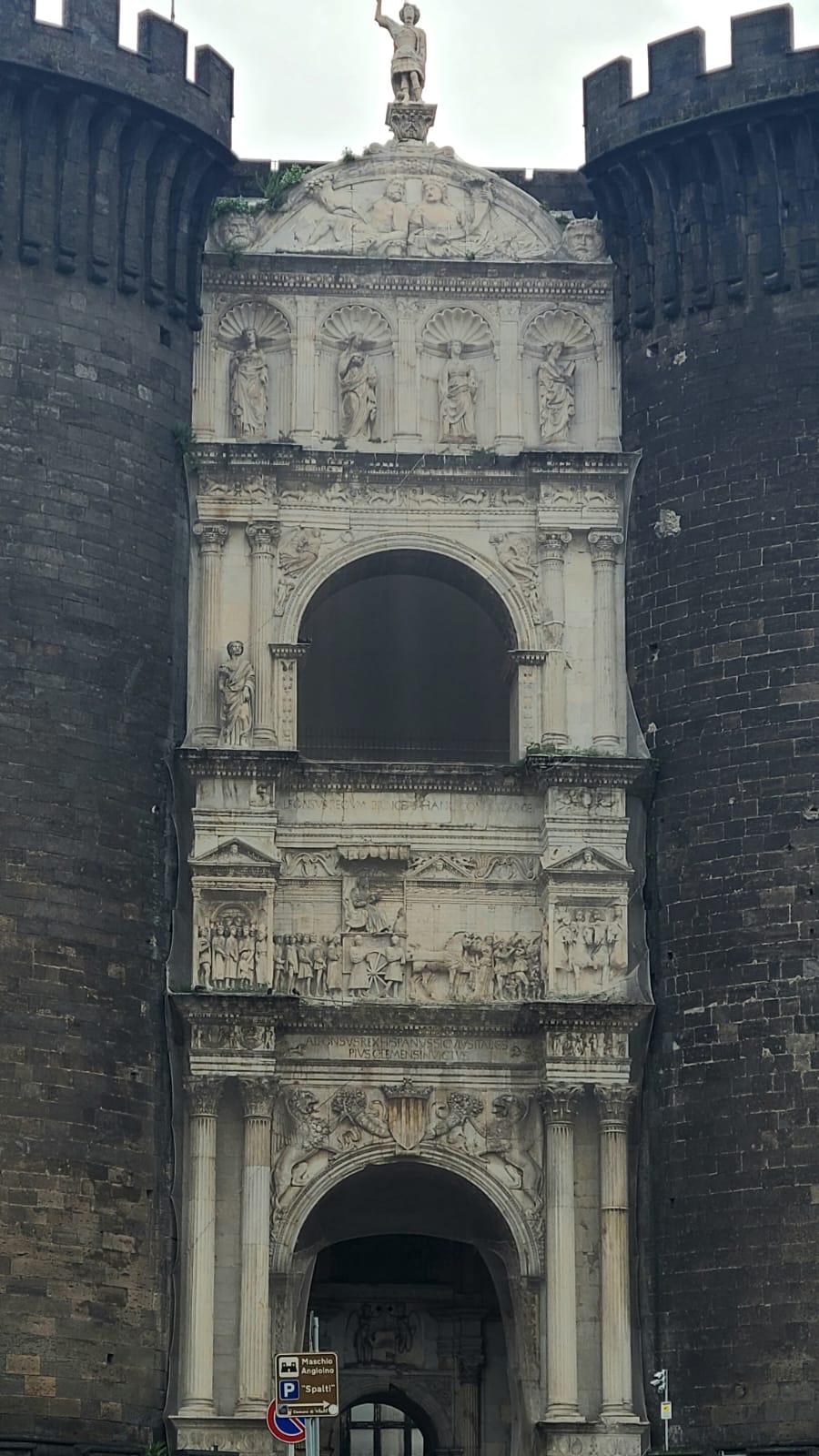
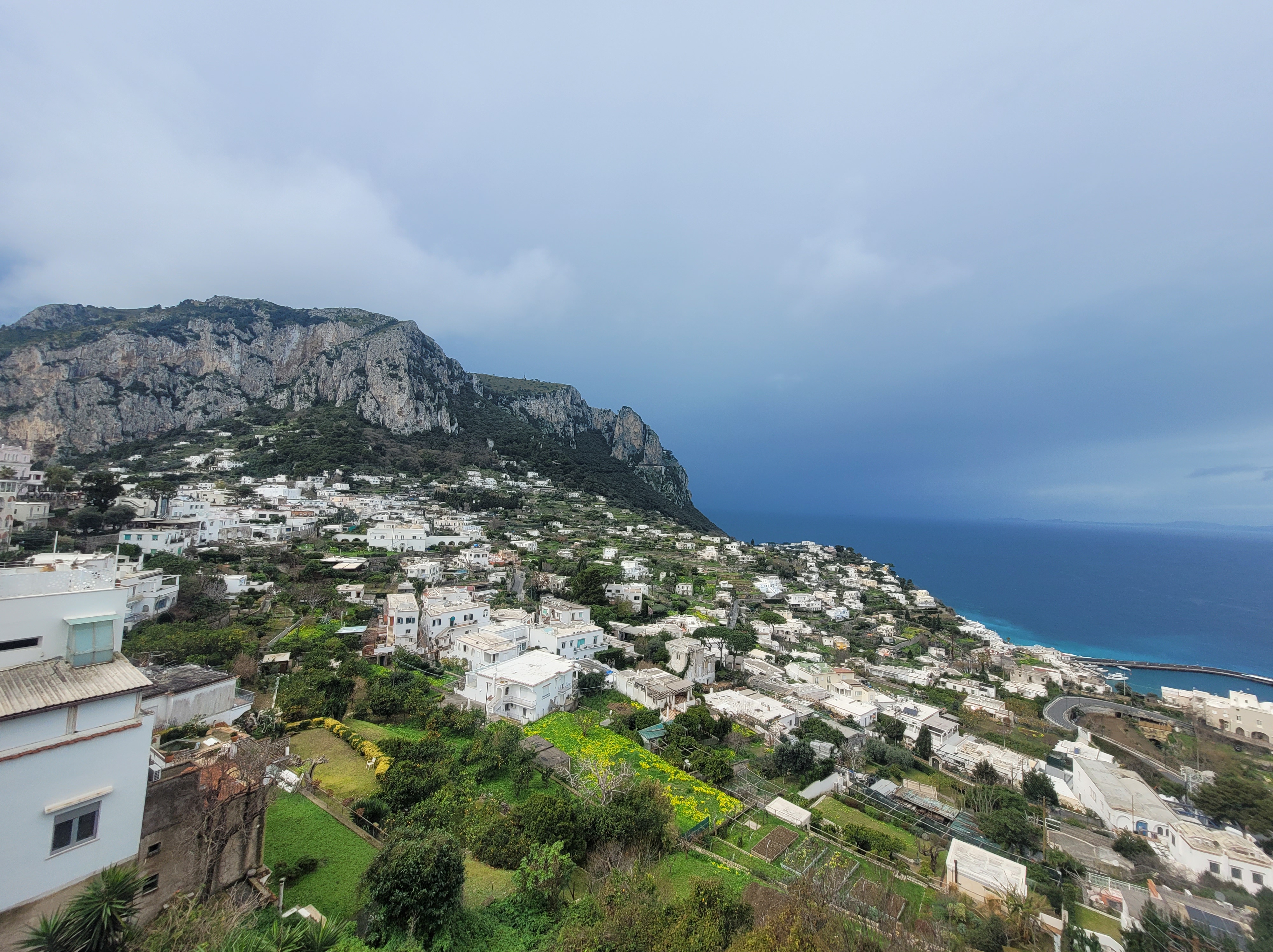
After another delicious, traditional breakfast we hopped on the bus and traveled to the port area in Naples. We walked by a few older buildings before we arrived at the port to catch our ferry to Capri. It had stormed there the day before so we were happy the ferry was running and we would get to see the island.
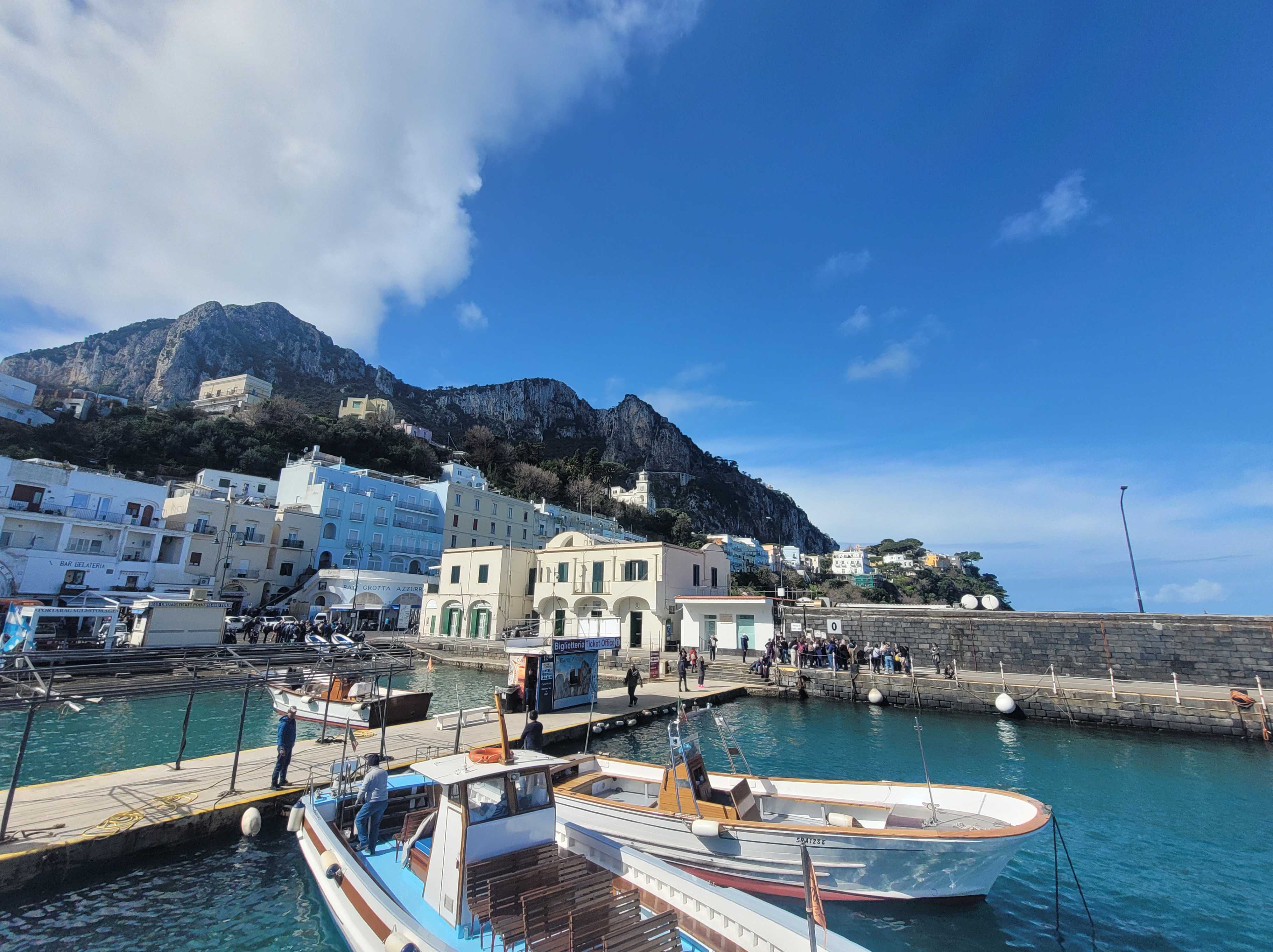
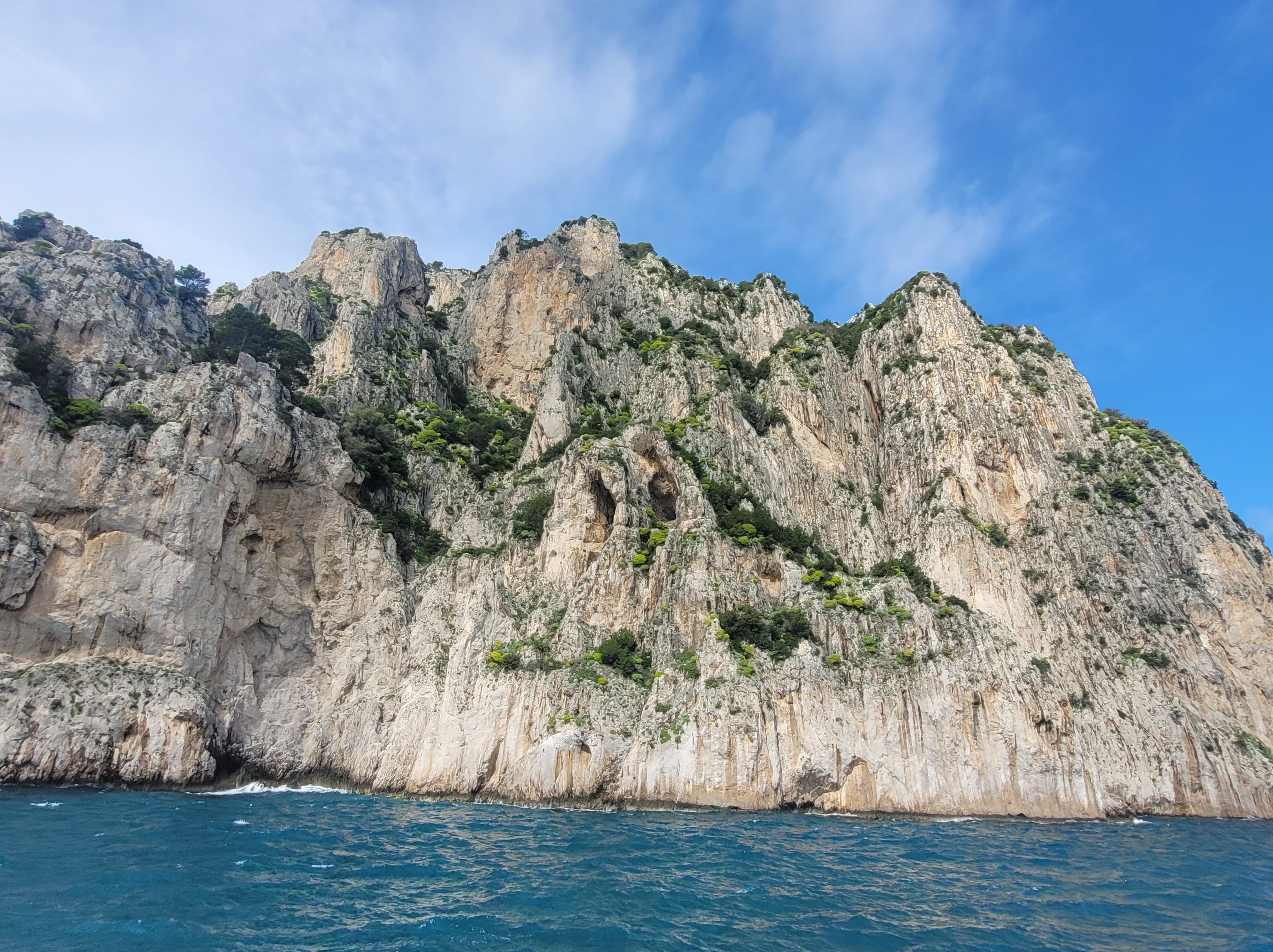
The boat ride was about 50 minutes south to the island of Capri. Although it was safe to travel, the ride was very choppy. That was fun for a while…until it wasn’t anymore. The crew came through with barf bags and as they predicted, many passengers got sick before we reached the Capri dock. Luckily, once we were on solid ground and could feel the fresh air on our faces, everyone instantly started feeling better. We only had a few minutes to ourselves before we hopped onto the sight-seeing boat that would take us around the Northeast corner of the island to show us the beautiful rock formations on that part of the coast before returning to the main dock. We stayed on the boat’s top deck where we could feel the sun and wind on our faces, making us feel so much better.
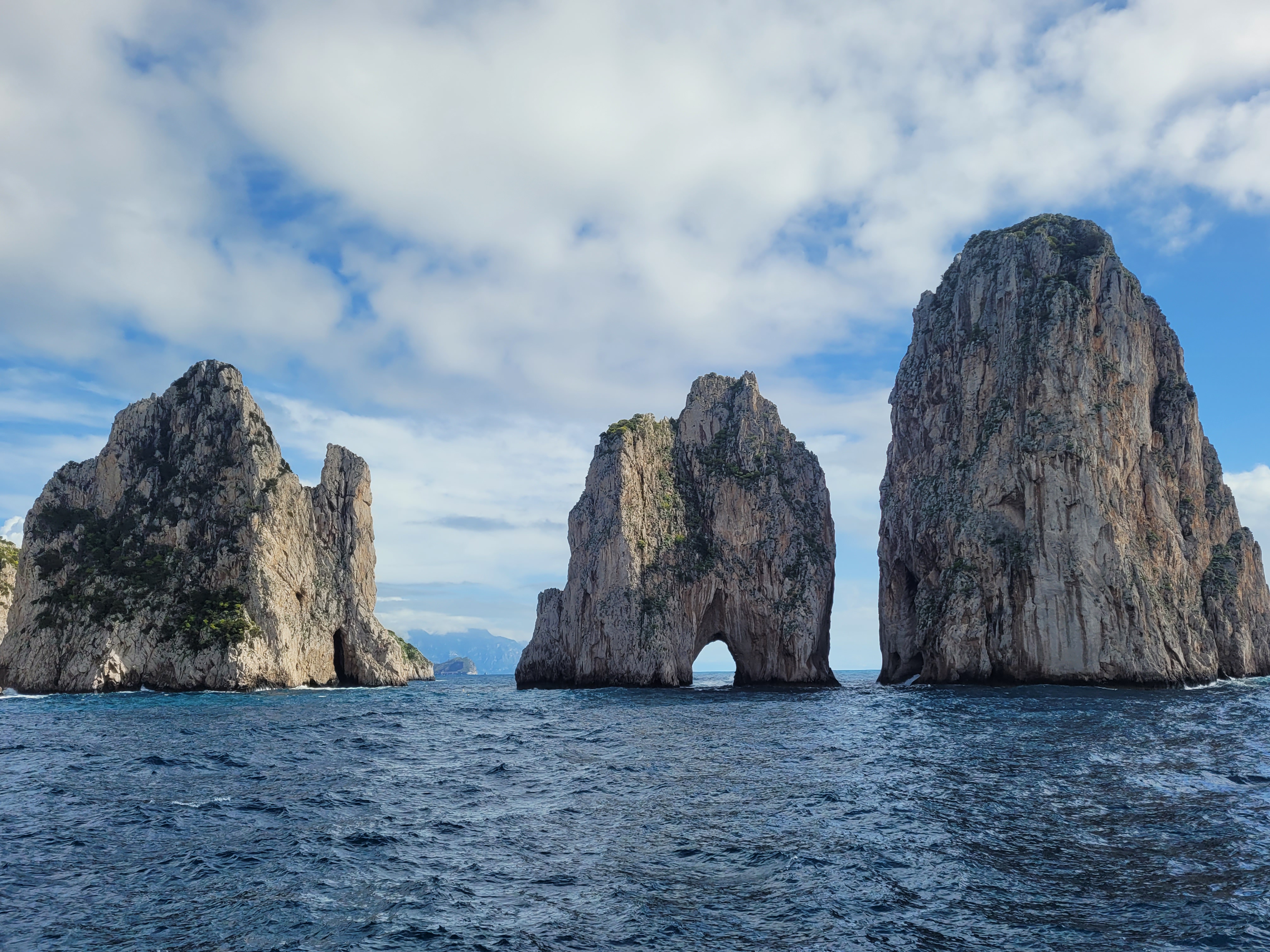
Around the last corner, we saw the famous set of three rocks captured in every painting of Capri. Seeing this view from the water with the sun shining was worth the effort to get there!
Back on the island, we took trams up to a lookout area where we grabed some coffee and snacks. While we were there hanging out a storm was rolling through. Watching from inside a café we saw how the sky turned dark and the thunder echoed ominously. Luckily, the storm rolled out just as fast as it rolled in and we could get back to appreciating the beautiful views
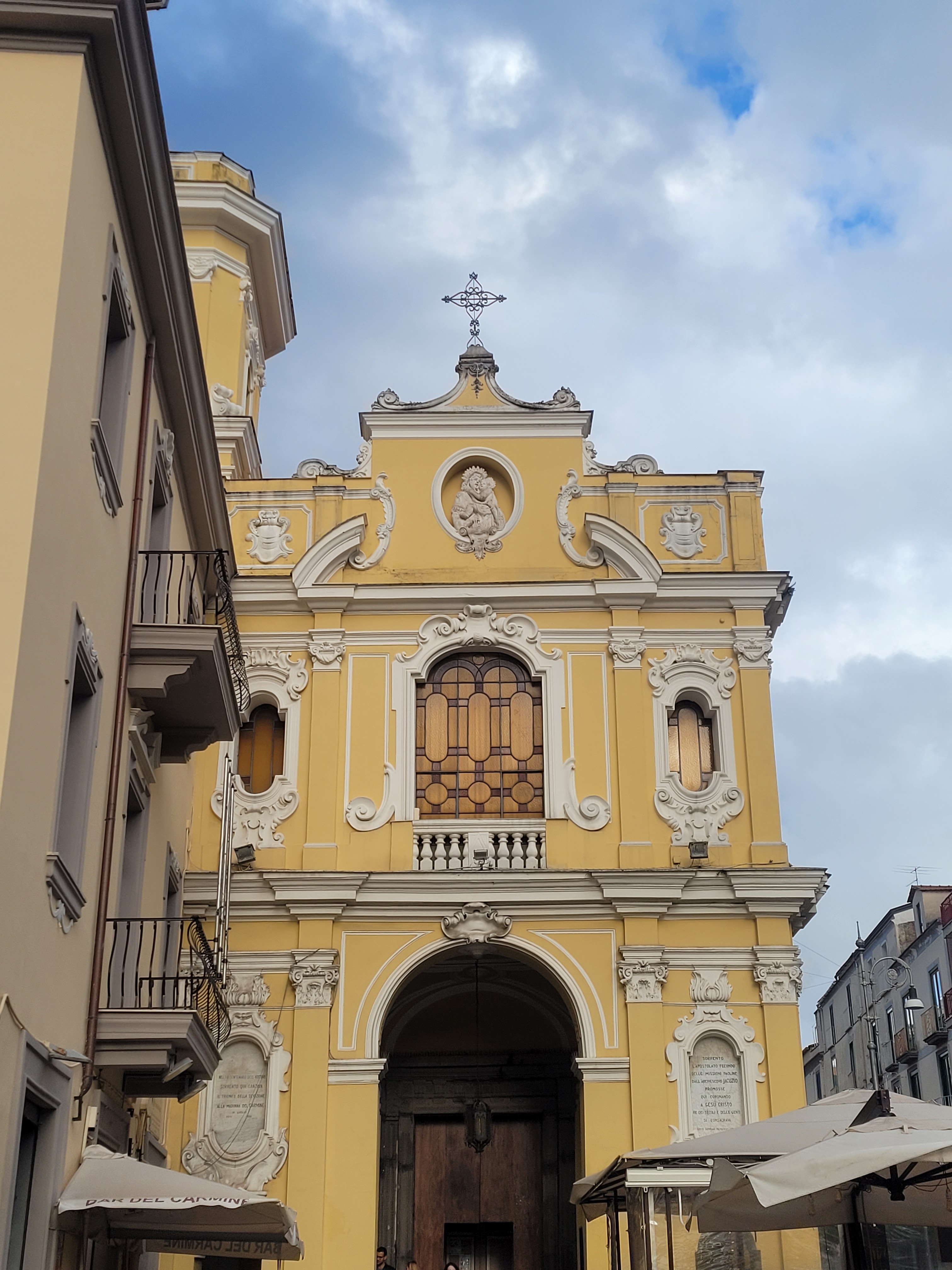
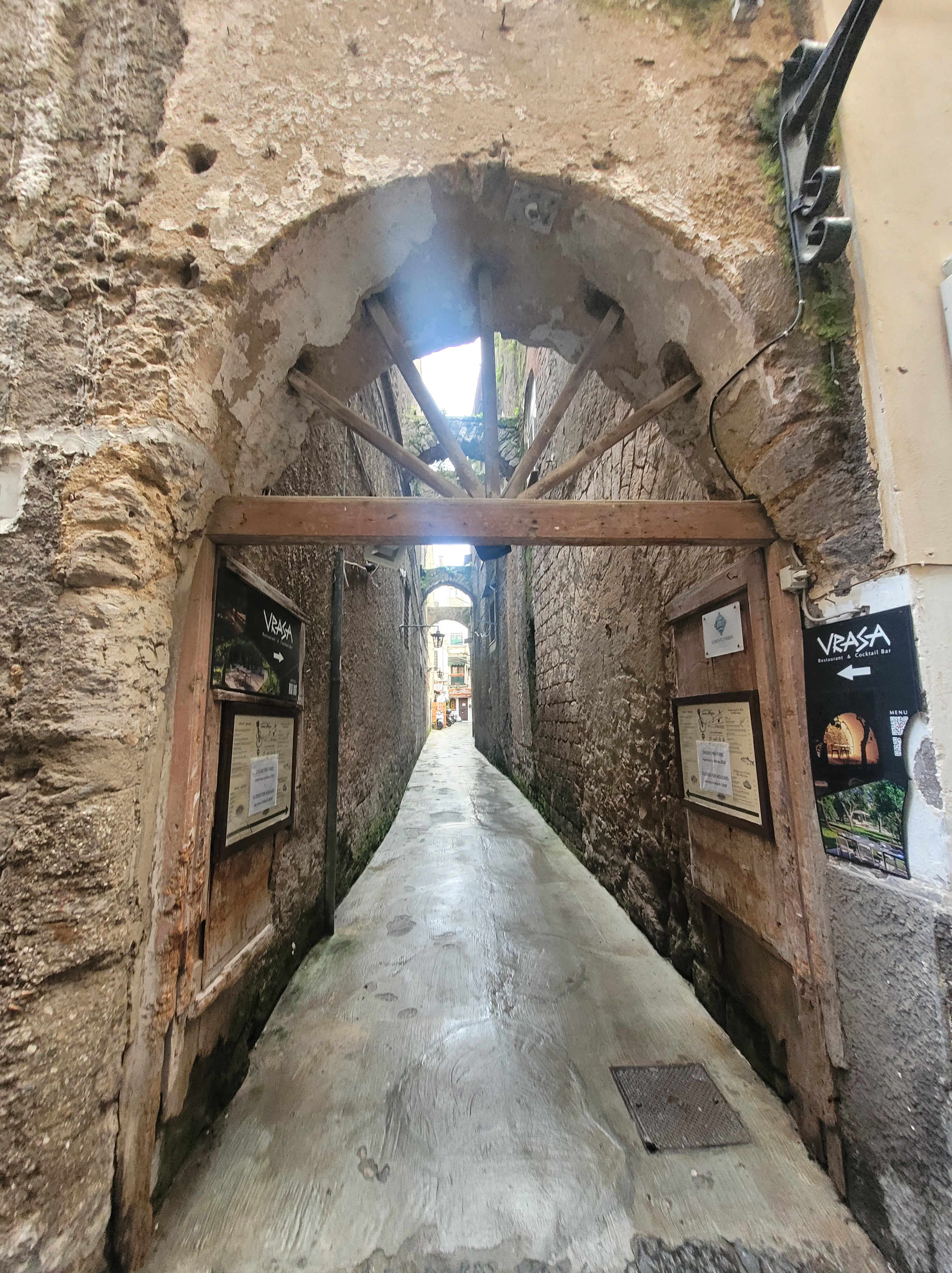
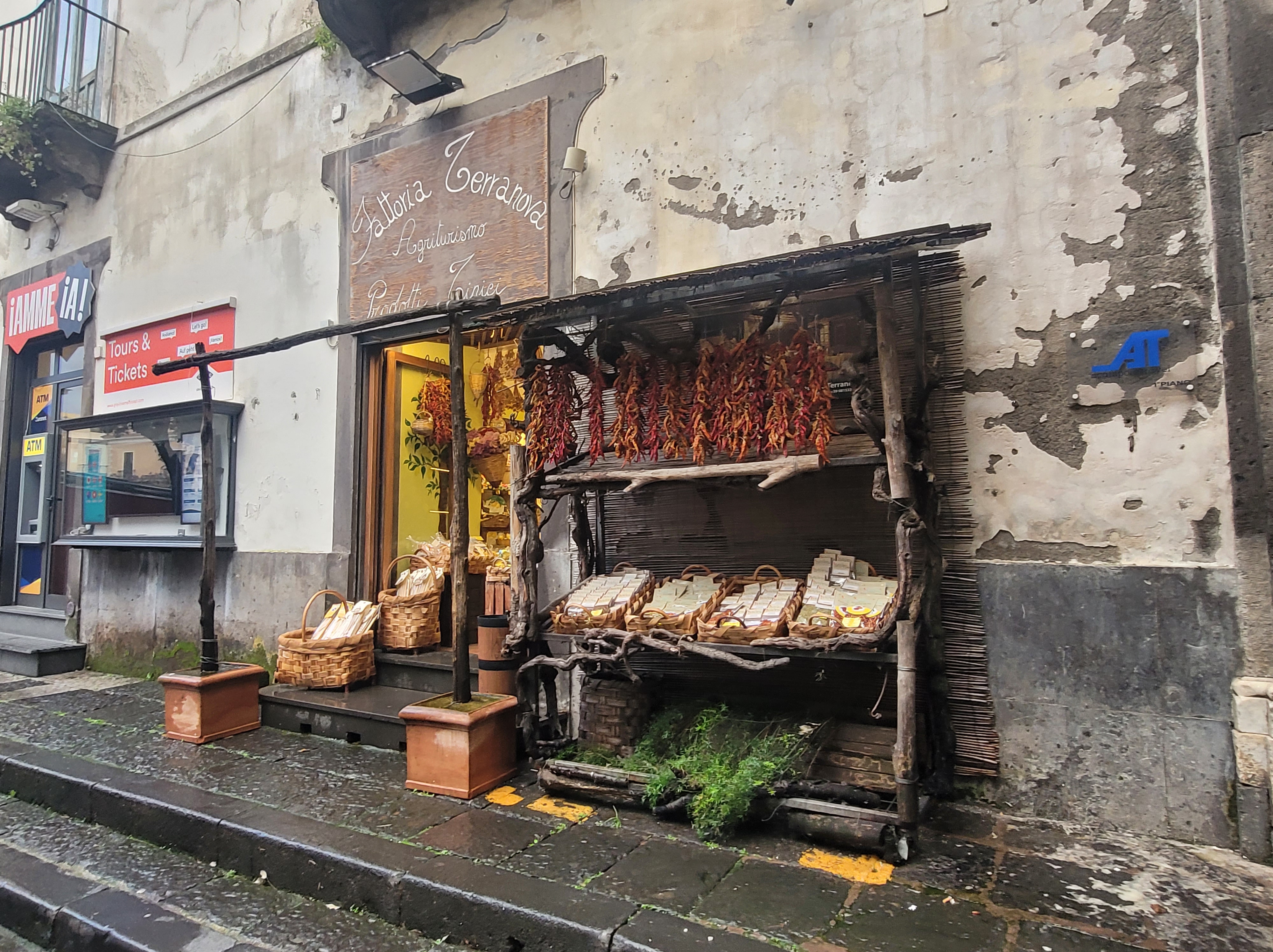
After our lengthy visit to Capri, we boarded the ferry again and traveled east for about 25 minutes to Sorrento. This ferry ride was much smoother and enjoyable. We only had about an hour to explore, so we walked down some quaint streets and enjoyed a small area close to the center of town.
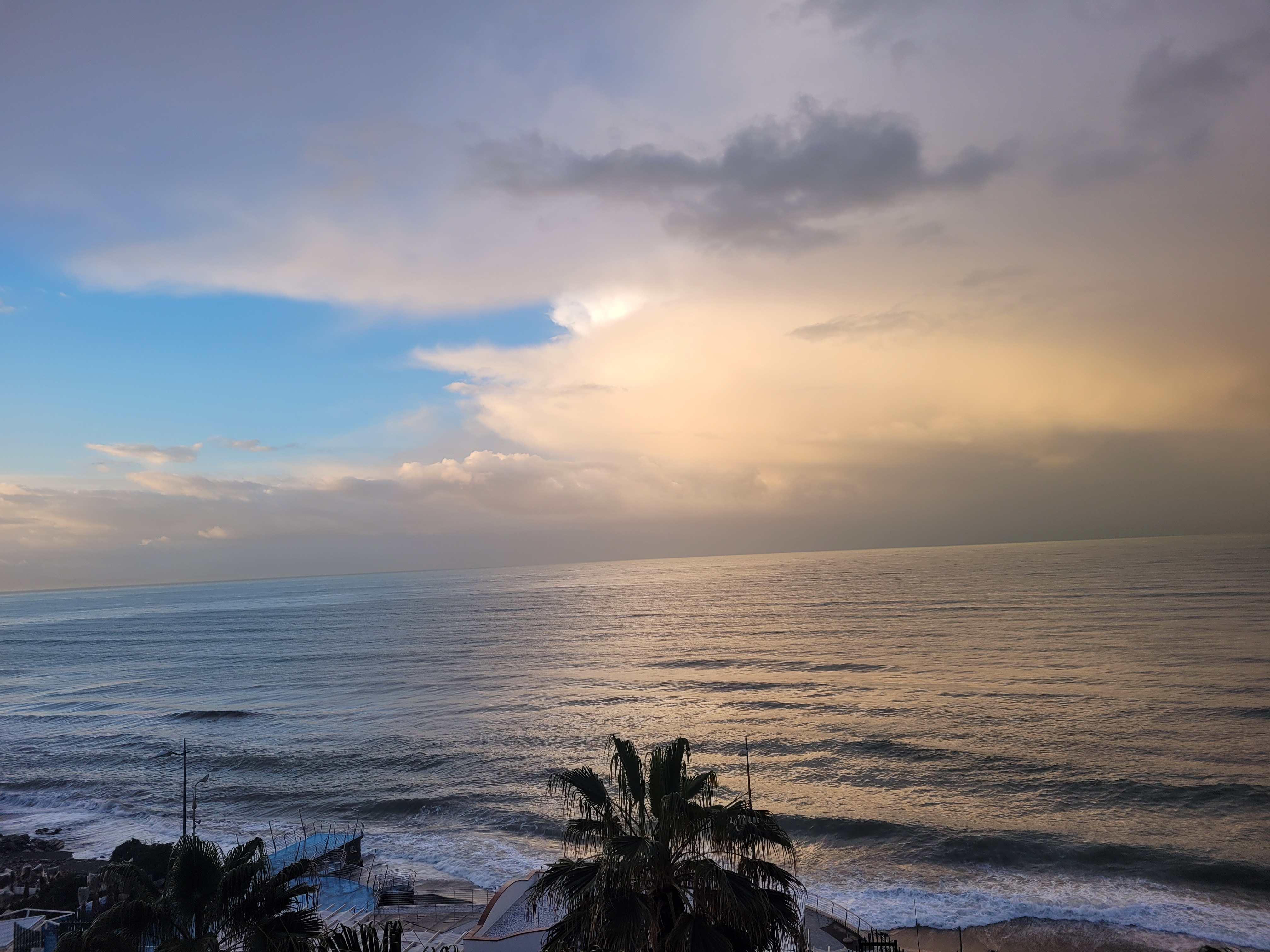
We saw citrus trees everywhere and spotted baskets of Ponderosa lemons everywhere, which are as big as your face! After some shopping and sightseeing, we reconnected with our bus and headed to Salerno for the night. It was dark when we arrived, so we didn’t see the amazing hotel view until the next morning at sunrise after a glorious night’s sleep.
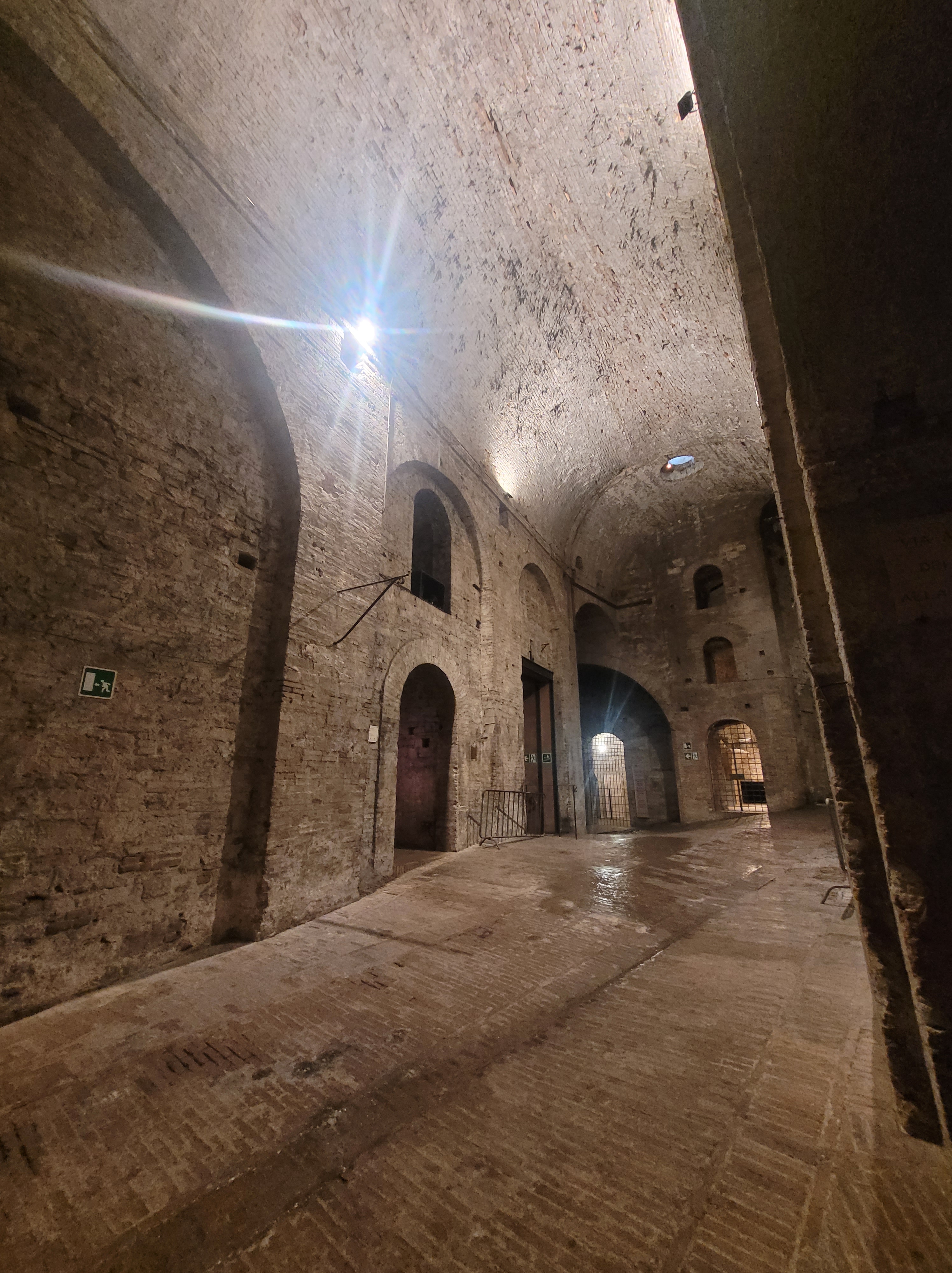
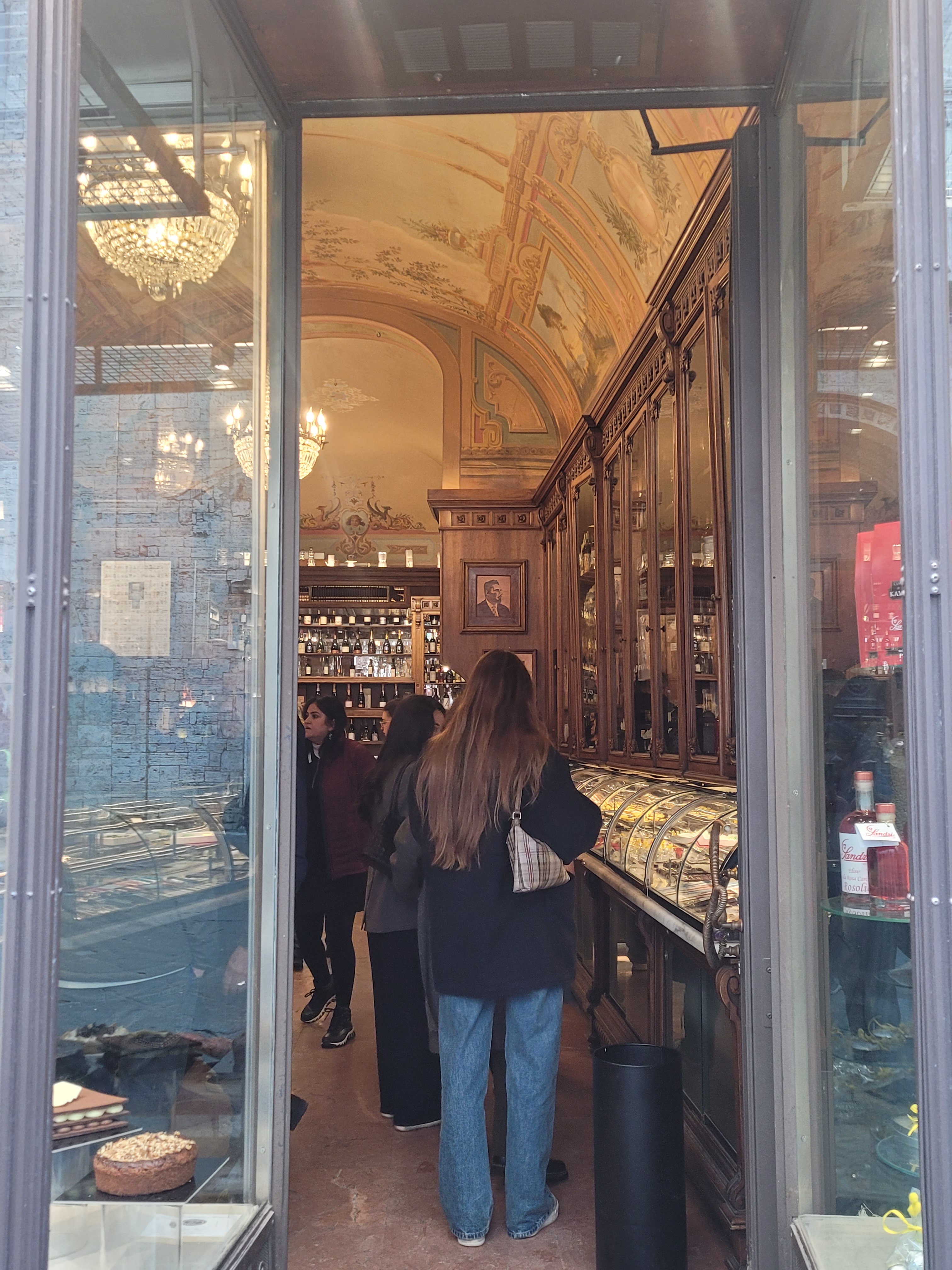
Perugia is known as the city of chocolate, so our arrival naturally excited me. Upon meeting our city guide, we went up a few escalators to enter the old city of Perugia. Many years ago, a Pope decided to build a palace in this location, so he had everyone relocated from their homes, had architects put arched ceilings over the streets, and used the original city as the foundation in which to build his palace. Many years later, the palace is now gone, but the “modern” city of Perugia now sits. We heard that one of the architects didn’t like what the Pope was doing and decided to make detailed drawings of the old city, complete with names and occupations of the residents, which exists to this day. Exploring this old city and walking on the original streets that may be 2,000 years old was absolutely amazing!
I suppose we should thank the Pope for his actions as it perfectly preserved the city for modern-day visitors, offering us much to learn.
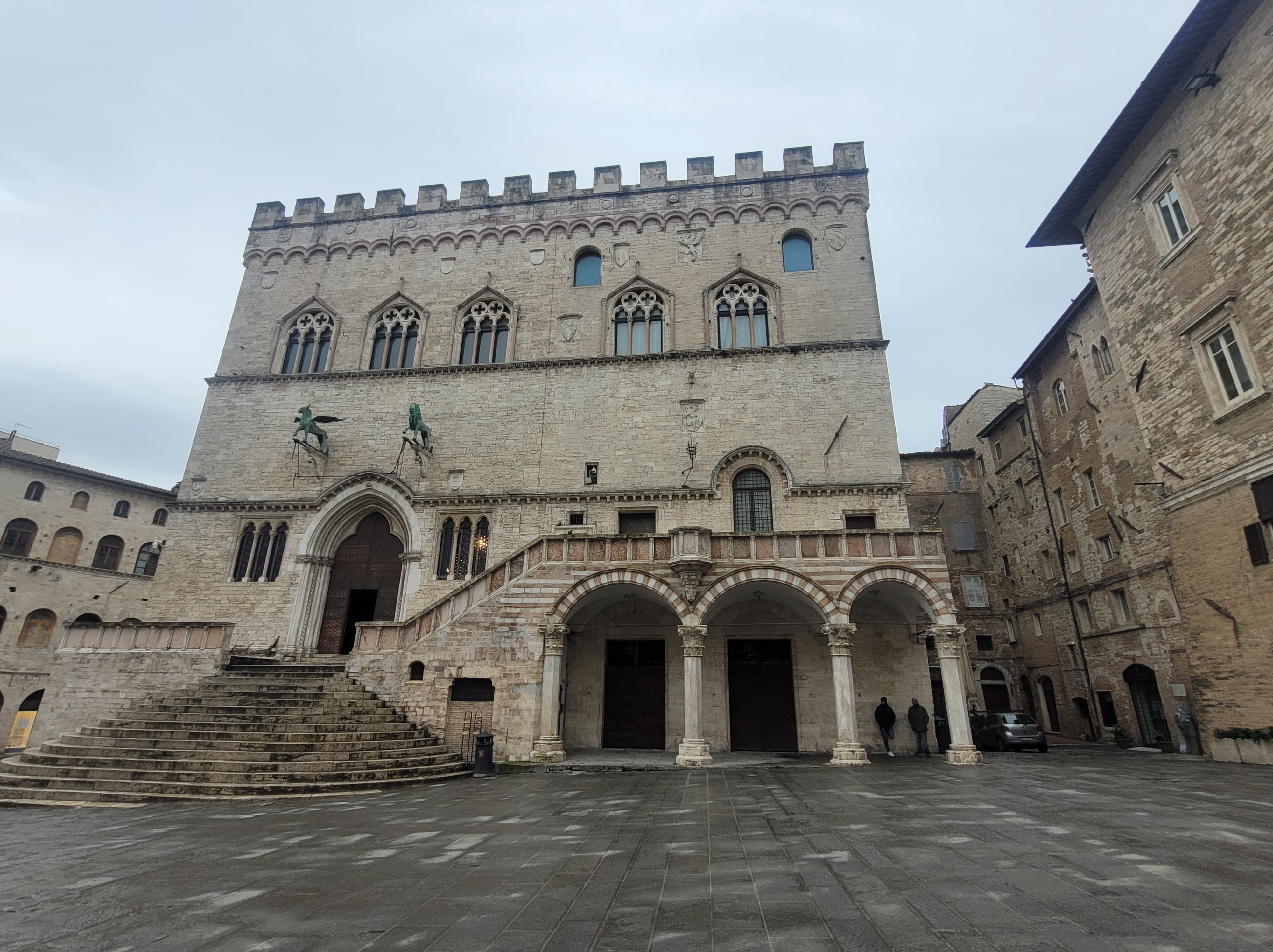
After our underground exploration, we took the escalators back to the surface and walked to the Piazza IV Novembre, or the 4th of November Square, named for the day WWI ended in Italy. Once a Roman forum, and then the center of the city’s medieval era, this location is a beautiful open area lined with shops and featuring an intricate fountain next to the side of the cathedral.
The Fontana Maggiore features two concentric circles of bas-reliefs depicting signs of the zodiac among other important religious figures.
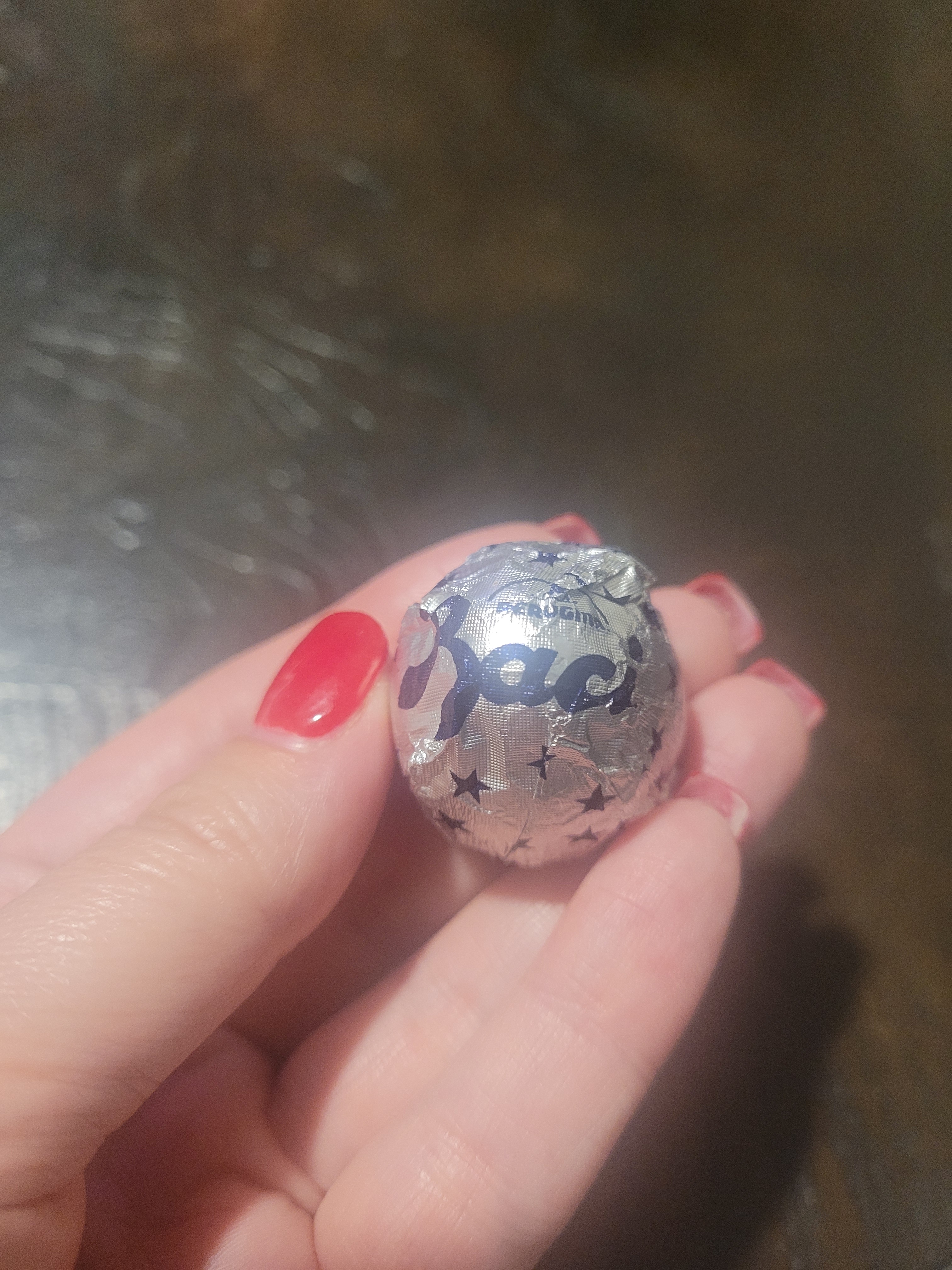
Next, we learned about the “Baci” chocolates, meaning “kiss” in English. These delicious bites have a single hazelnut on top of a filled center, covered in chocolate and wrapped first in a paper with a sweet saying and then in foil with stars on the wrapper.
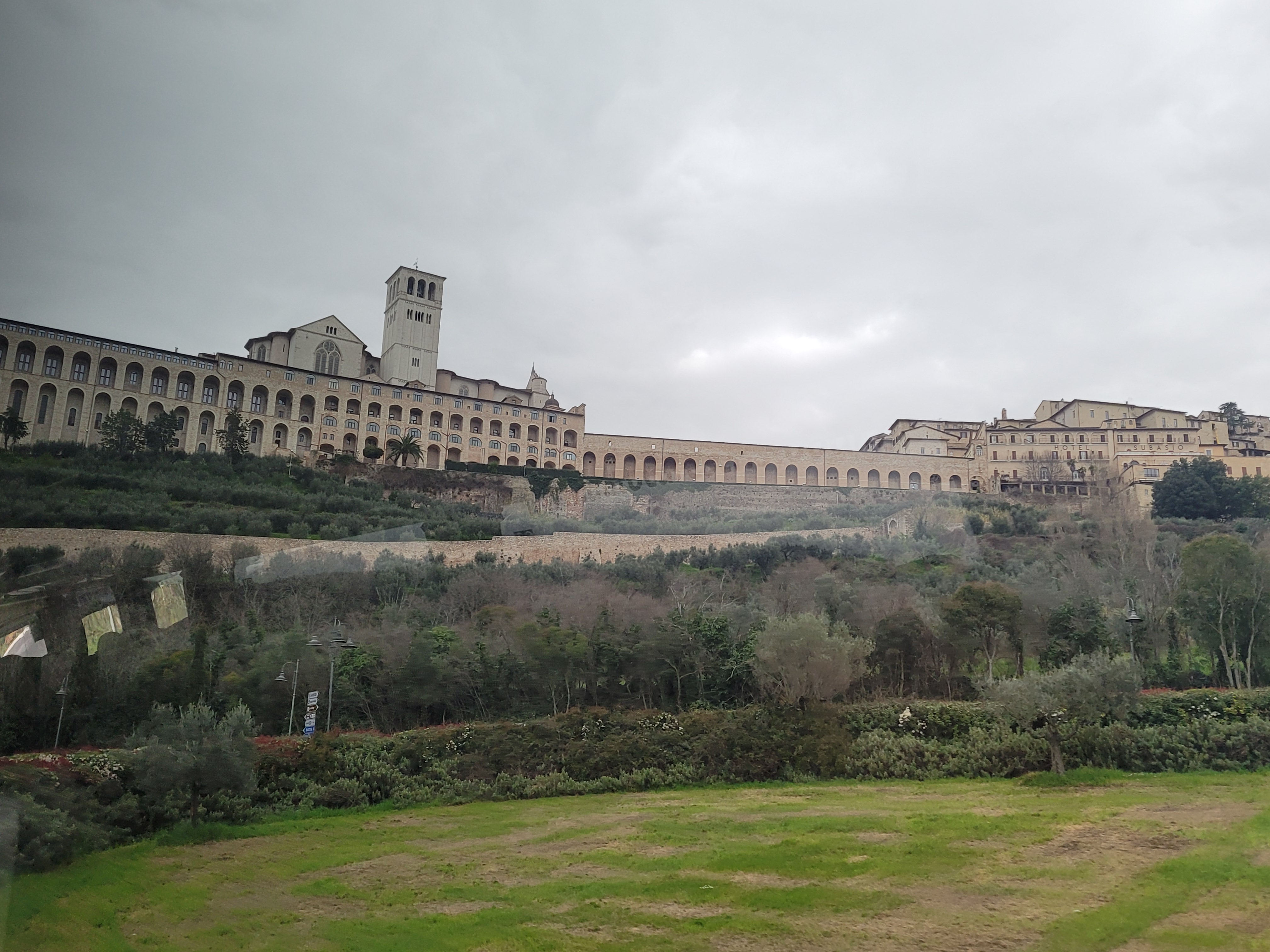
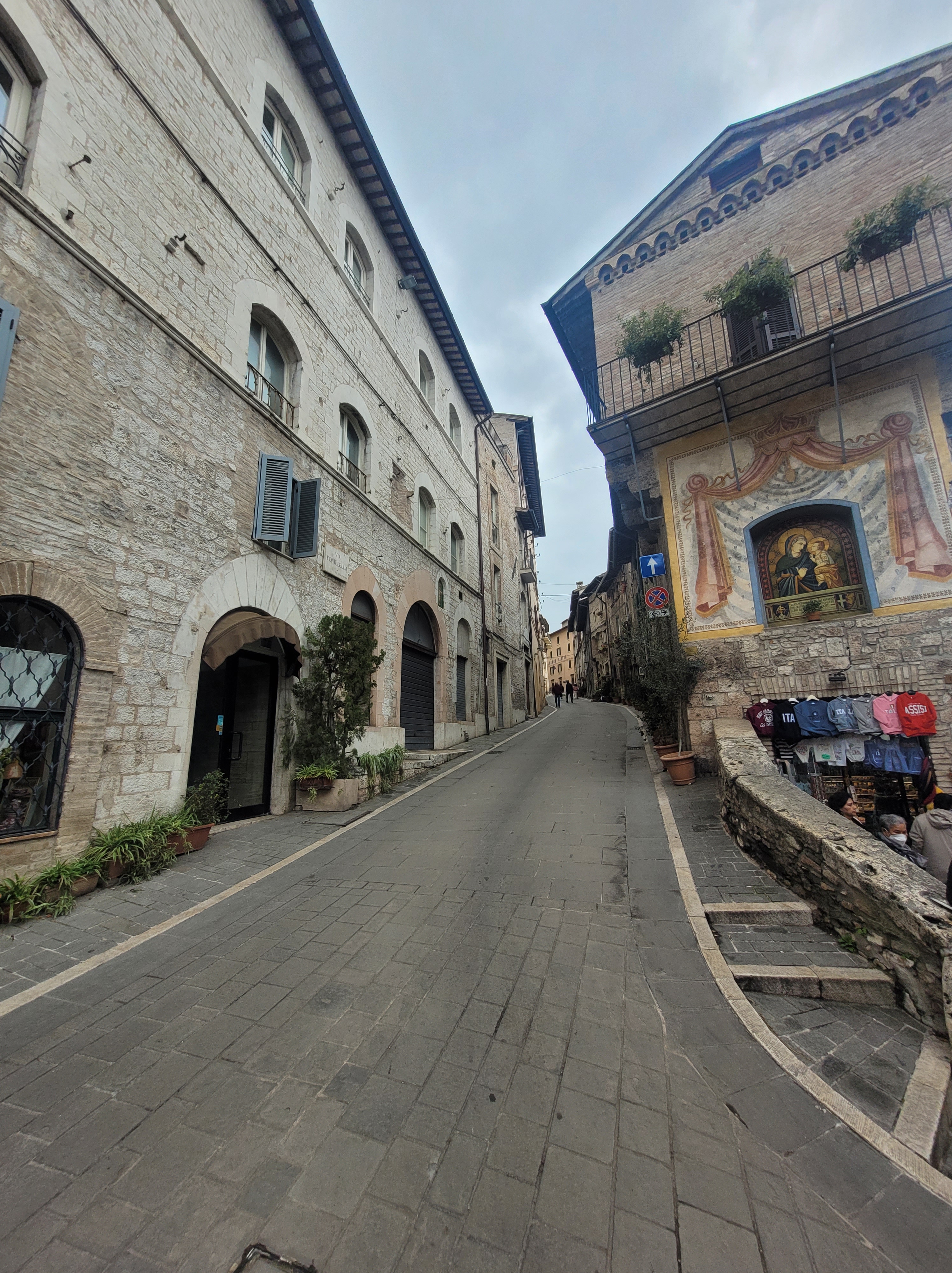
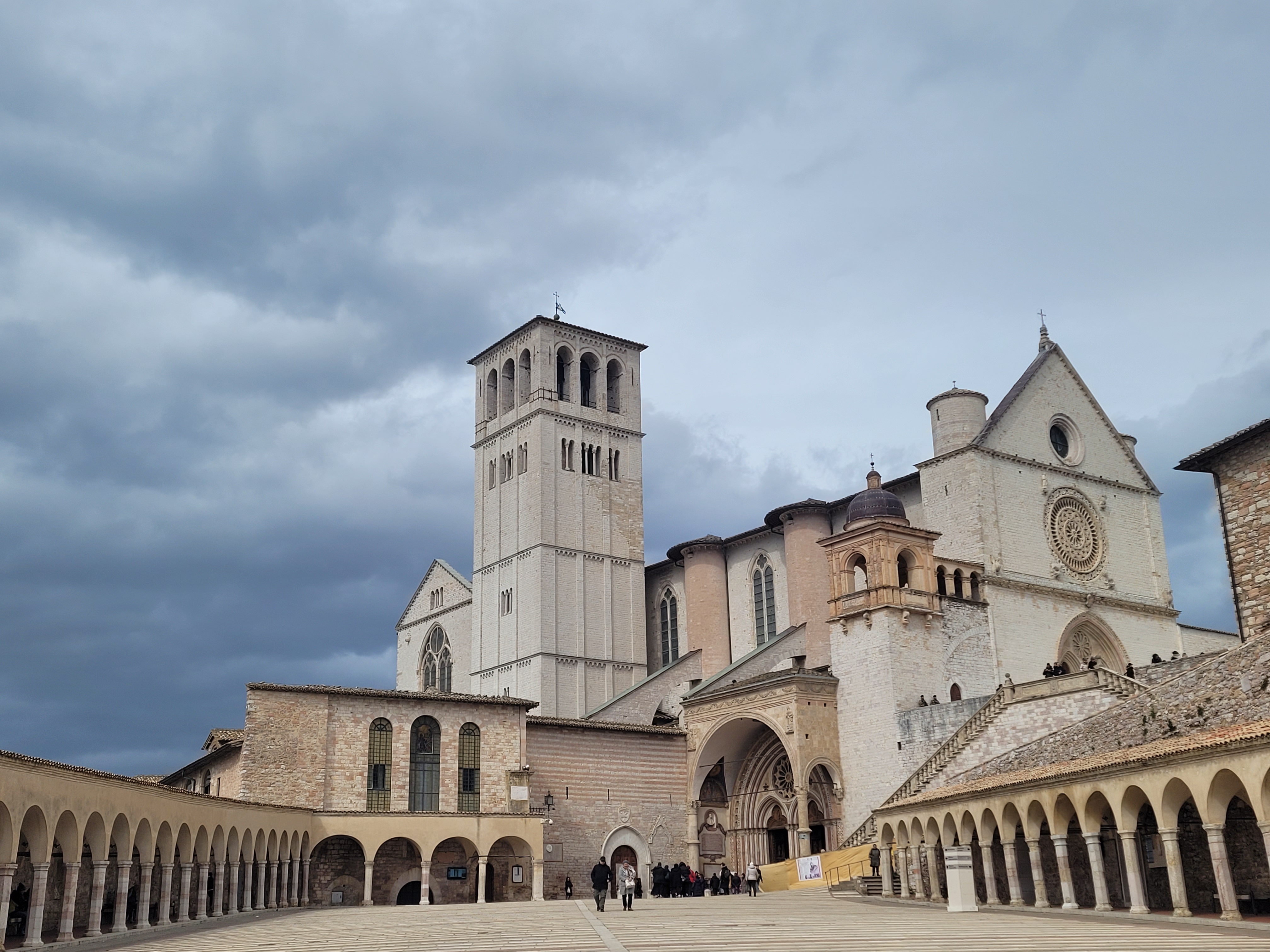
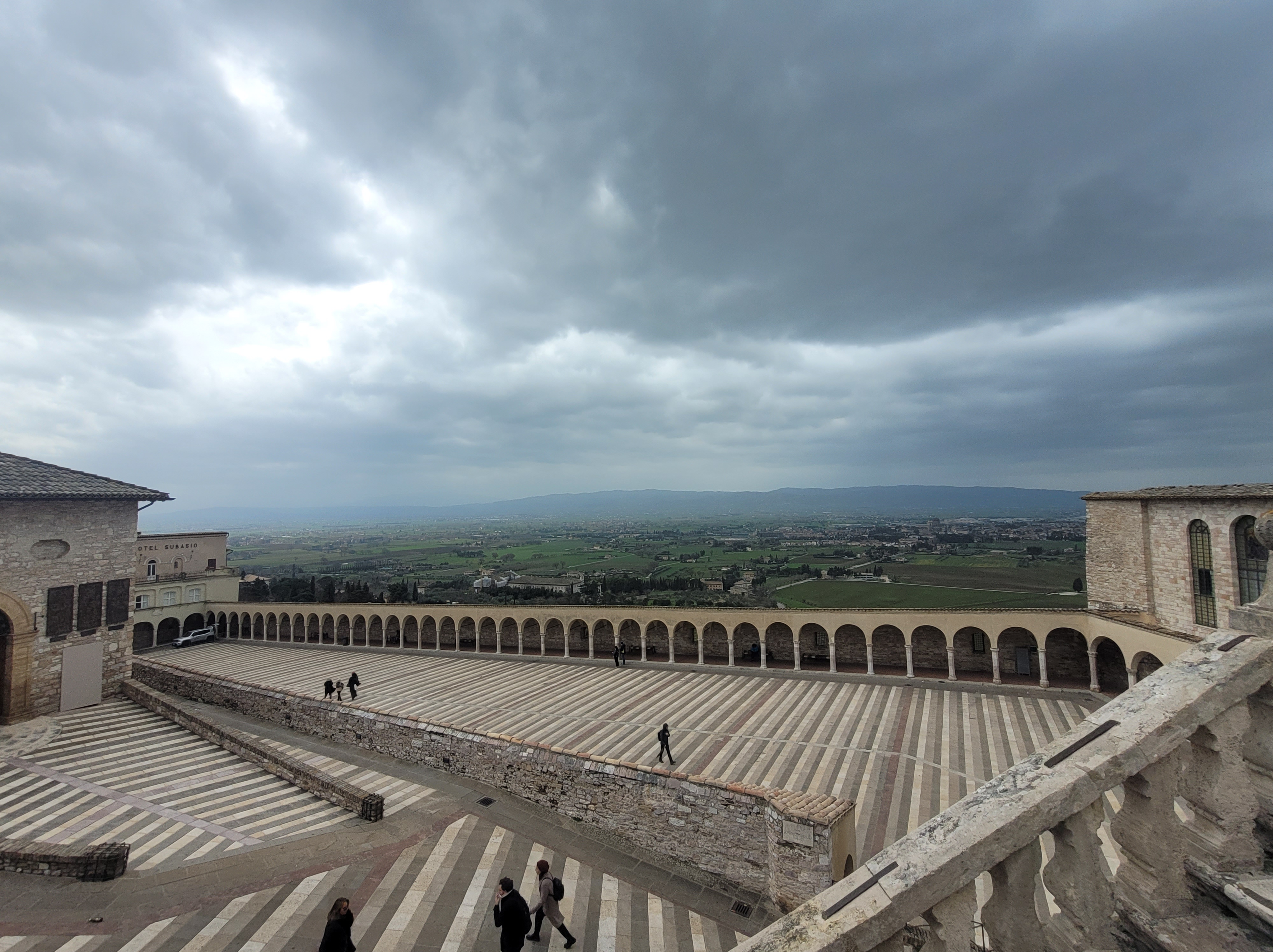
Back on the bus, we traveled to Assisi, a beautiful complex that sits high on a hill. From the parking area, we had to walk a short distance to the arch at the entrance and then up a zig-zagging set of roads that reminded me of San Marino!
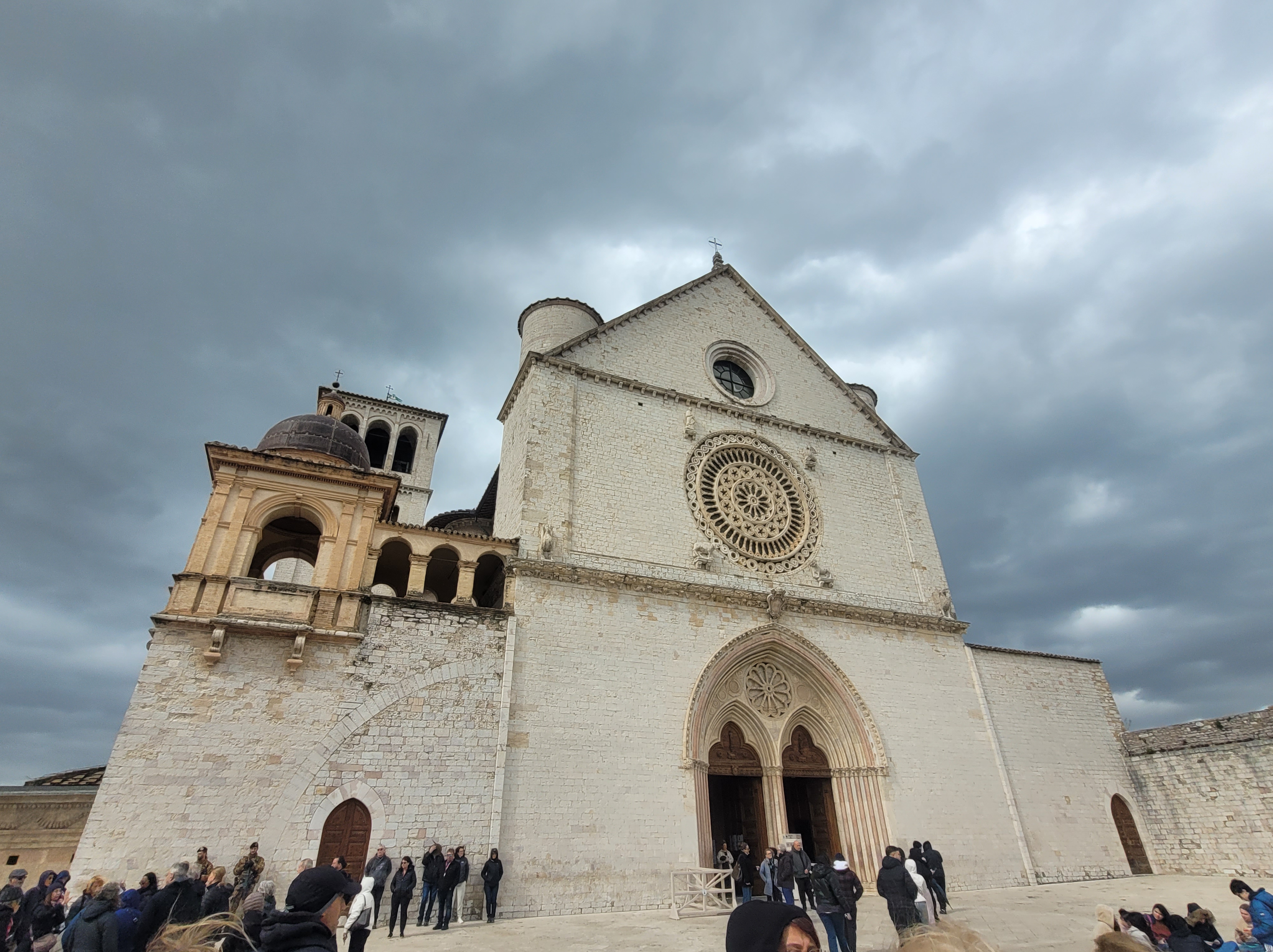
We grabbed coffee and lunch before walking up to the Cathedral of Saint Francis. We were not allowed to take any photos inside the building at all, but we could enter on the left, follow the stairs down to the crypt to see St. Francis’ tomb (circa 1230), walk around the back of the tomb and exit on the other side up the stairs. The cathedral’s façade was located outside and up the hill 90 degrees, so we walked up there to take some photos of the area and the view. (This was the only church that had armed guards on duty.)
After our visit, we were on the bus for a few hours traveling to Naples to reach our hotel and promptly fell asleep.
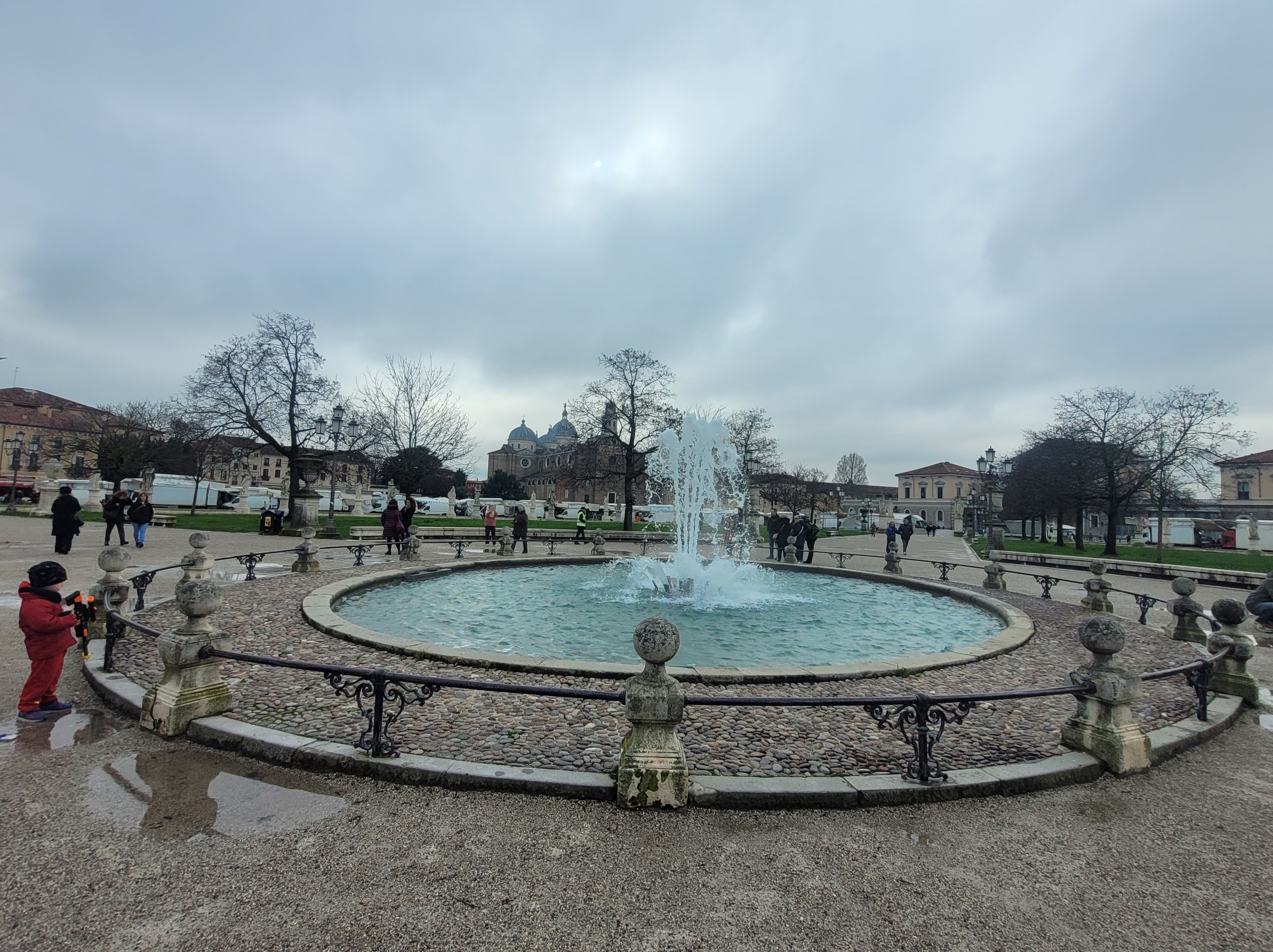
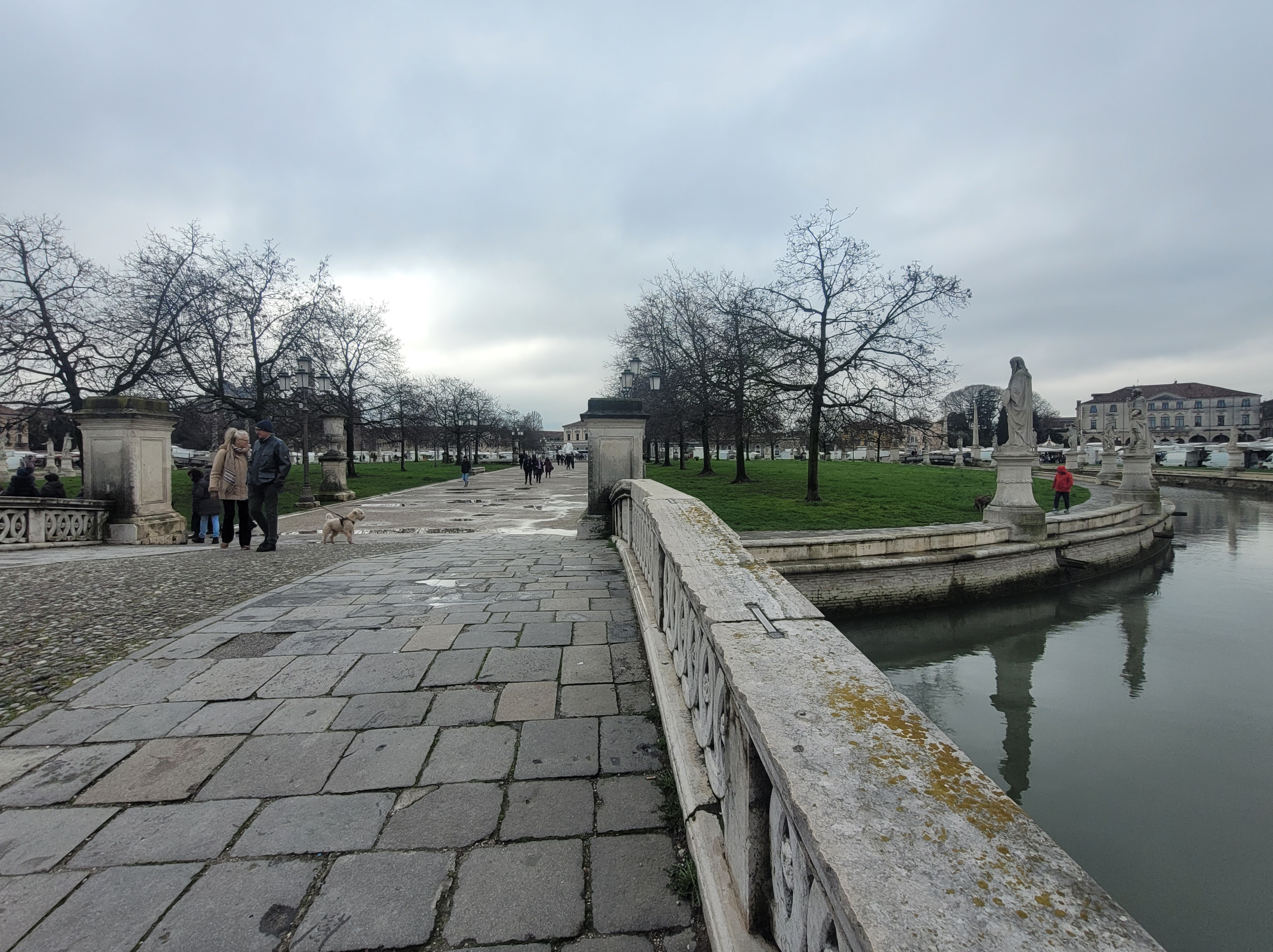
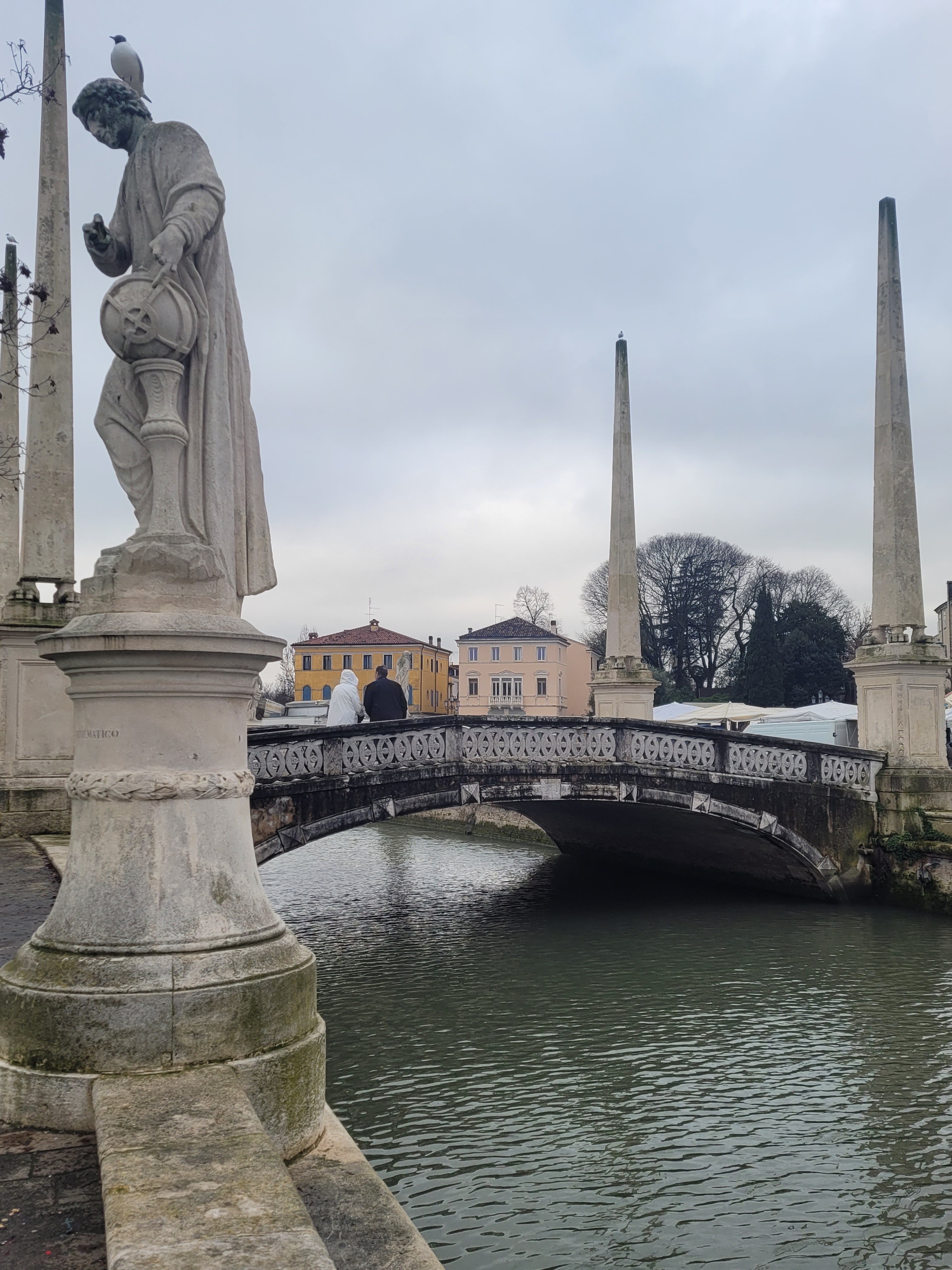
At this point in our journey, we saw areas I knew very little about, so I was excited as we made our way through central Italy again. Our first stop of the day was Padua. Known for having the second largest square in Europe (second only to Red Square in Russia), we had the chance to explore the concentric circles connected by bridges making up the square, which led to a fountain in the center.
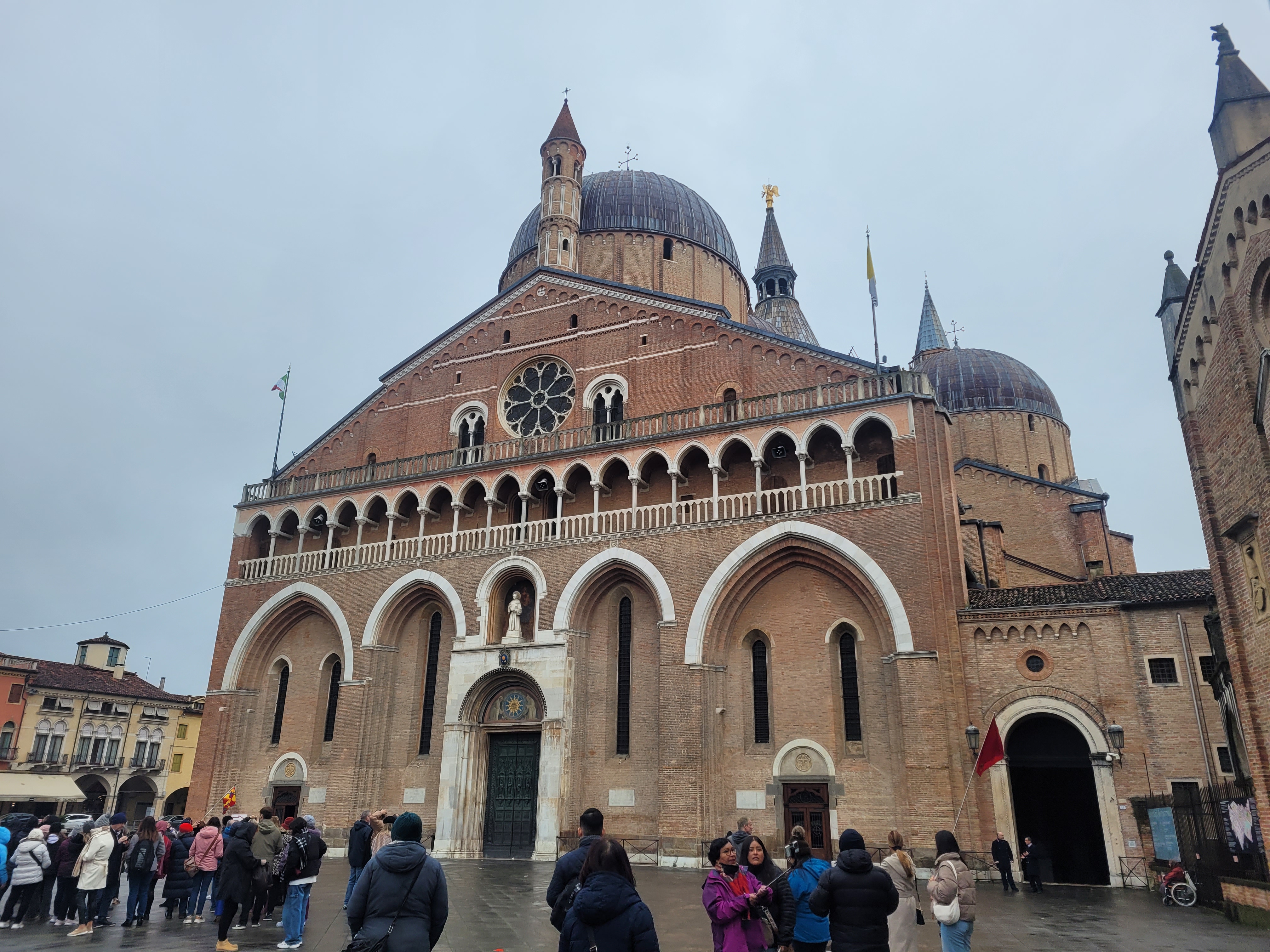
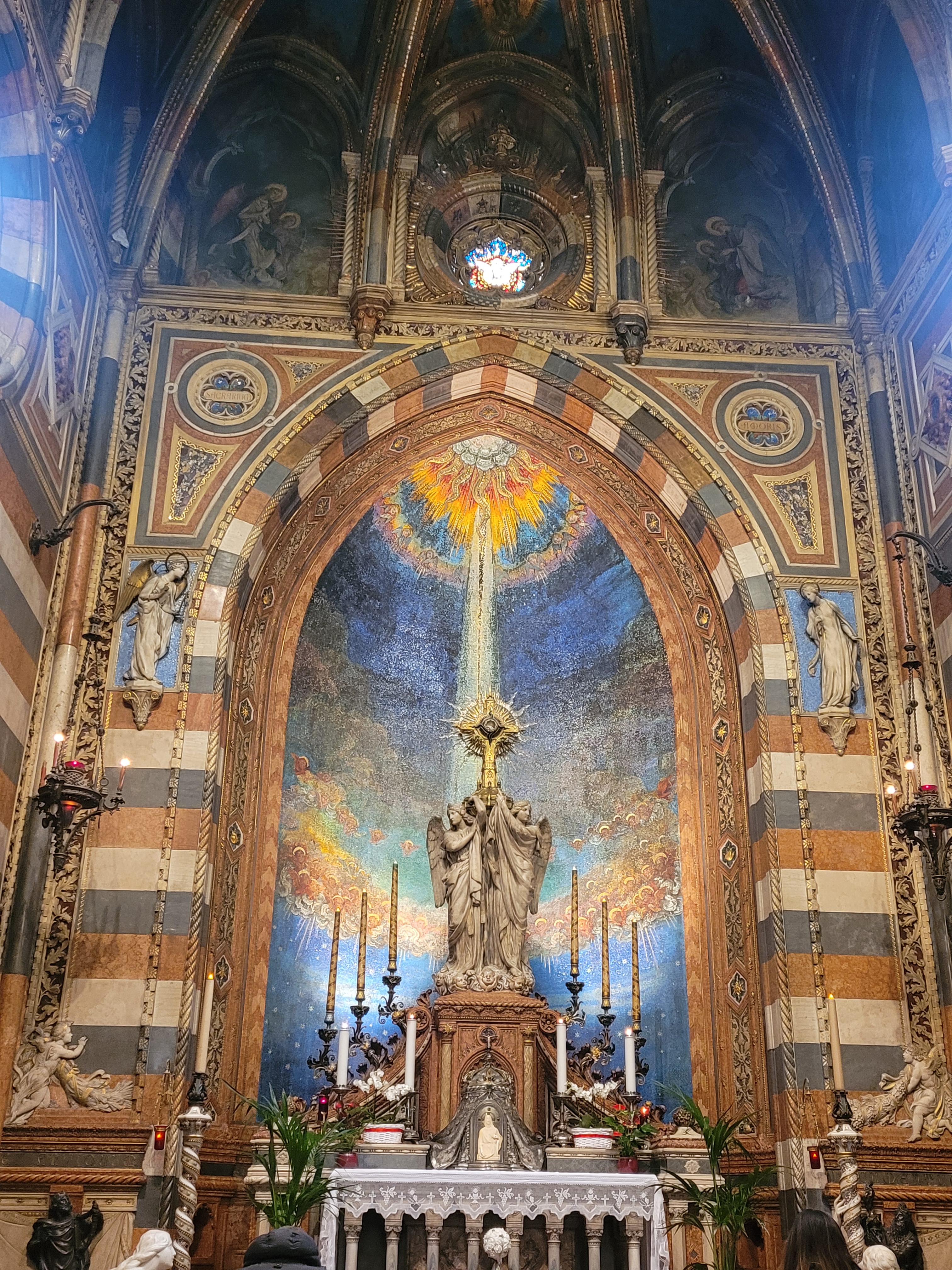
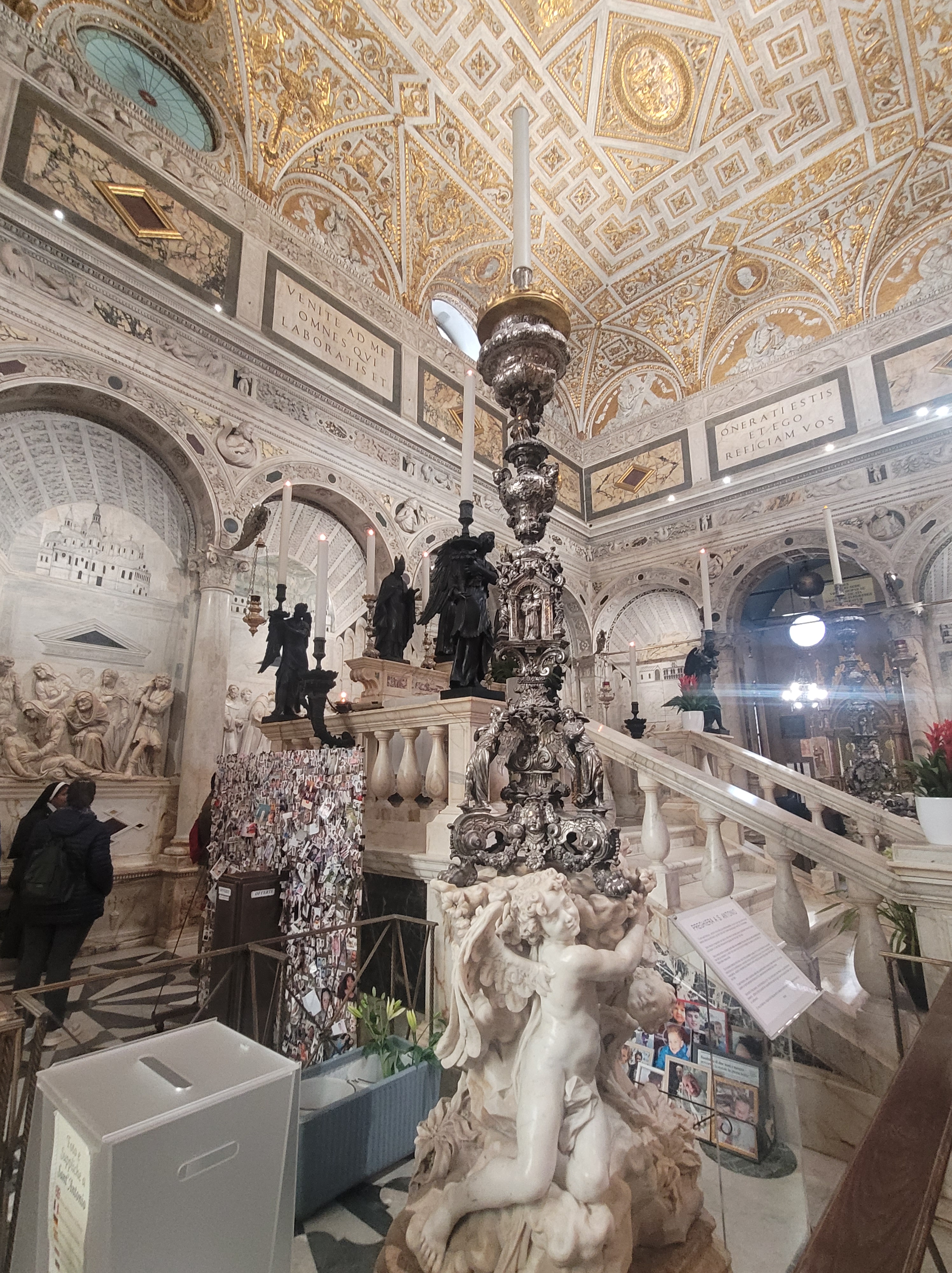
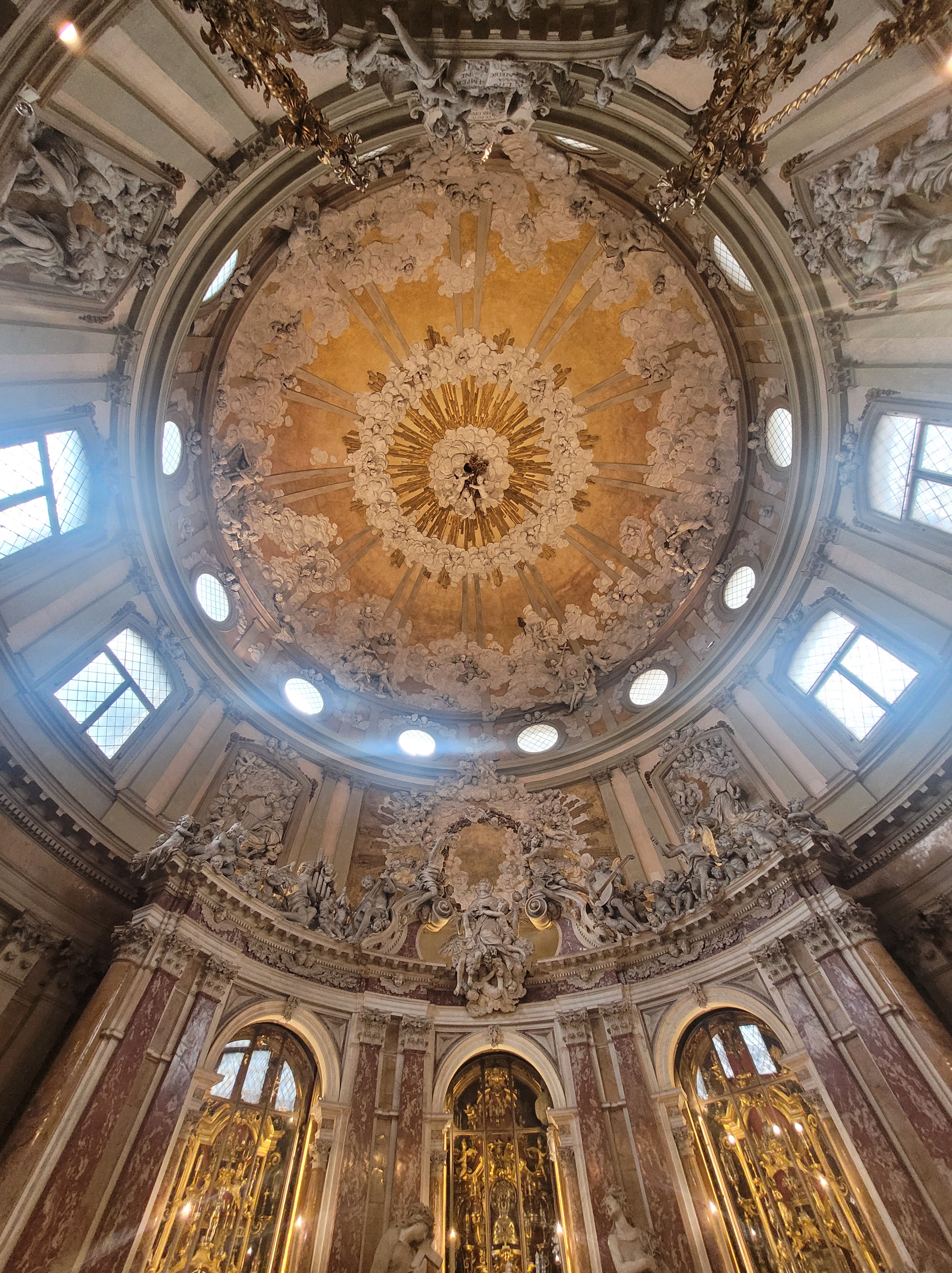
We walked to the Cathedral of St. Anthony a few blocks away. Mass was happening, but visitors could enter on the left, walk behind the alter, and out the other side. The tomb of St. Anthony was in a chapel on the one side, and just beyond that was a wall of relics carefully displayed and numbered. This was an amazing structure to visit.
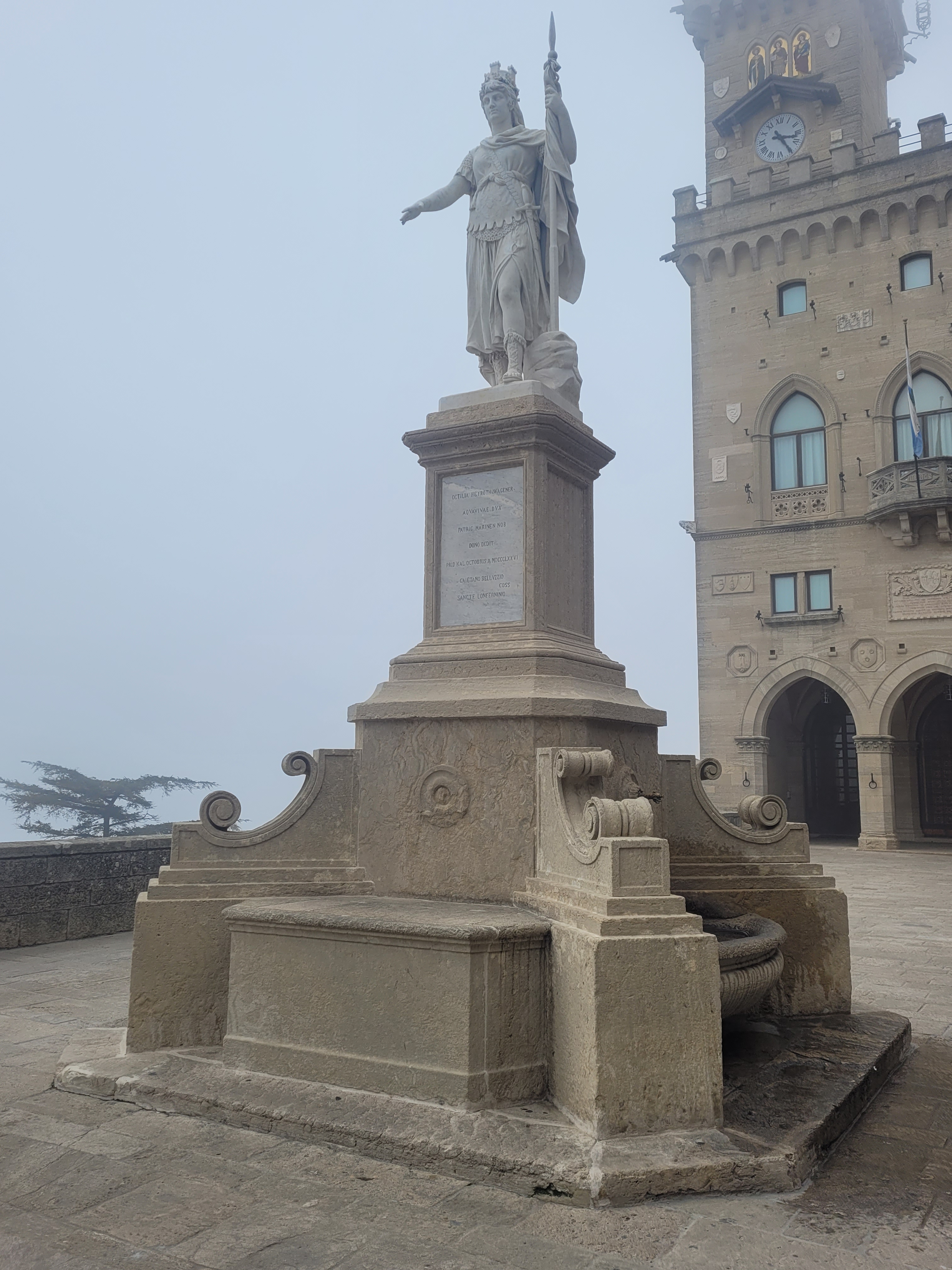
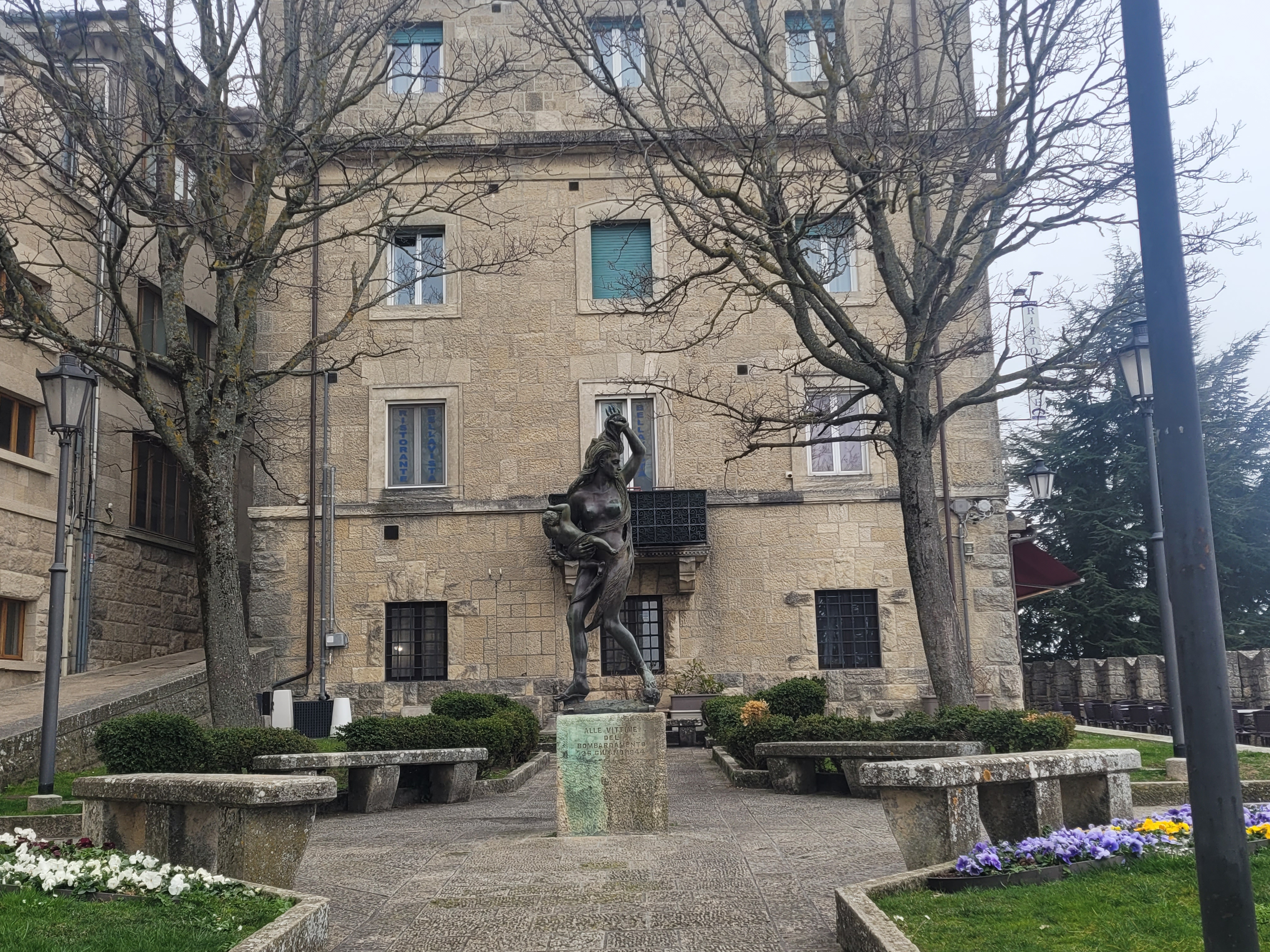
Back on the bus we headed South for about 2.5 hours to the micronation of San Marino close to the Adriatic Sea. This hilltop destination measuring about 2,500 feet above sea level offered amazing views when we arrived. Still, clouds and fog moved in quickly, obscuring our view of the valley that stretched far below. Our first order of business was to eat lunch with a fixed menu before heading out to explore.
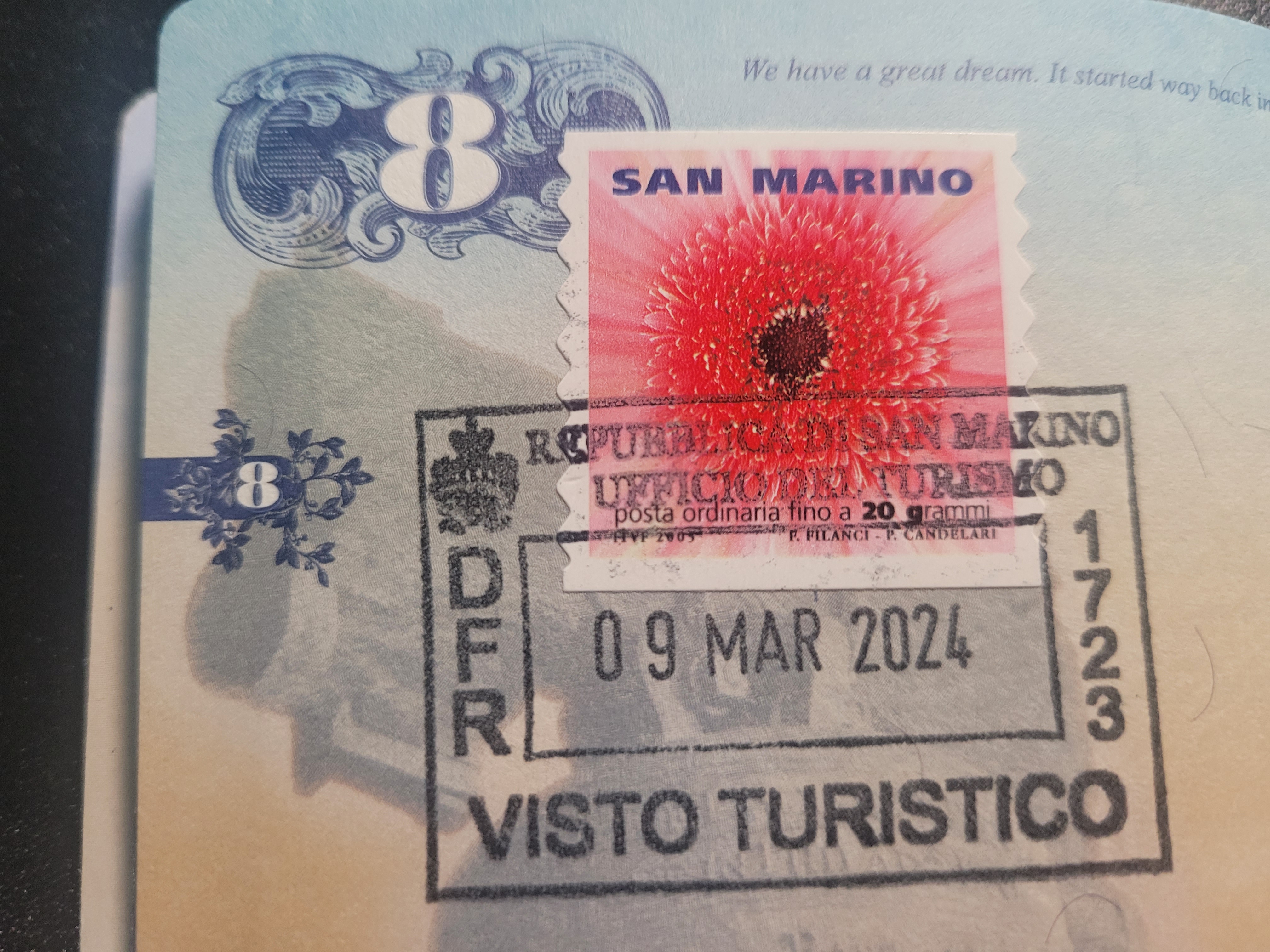
A few of us wanted to search for the tourist office to obtain our novelty passport stamp. We learned the office relocated to the Stamp and Coin Museum, but thankfully it was only one street away. We paid five euros, handed over our passports, and walked away with a wonderfully cheap souvenir. On the way back to the bus parking area we strolled by streets loaded with souvenir shops selling some common trinkets. We saw magnets, novelty euros, local alcohol, and MANY perfume shops.
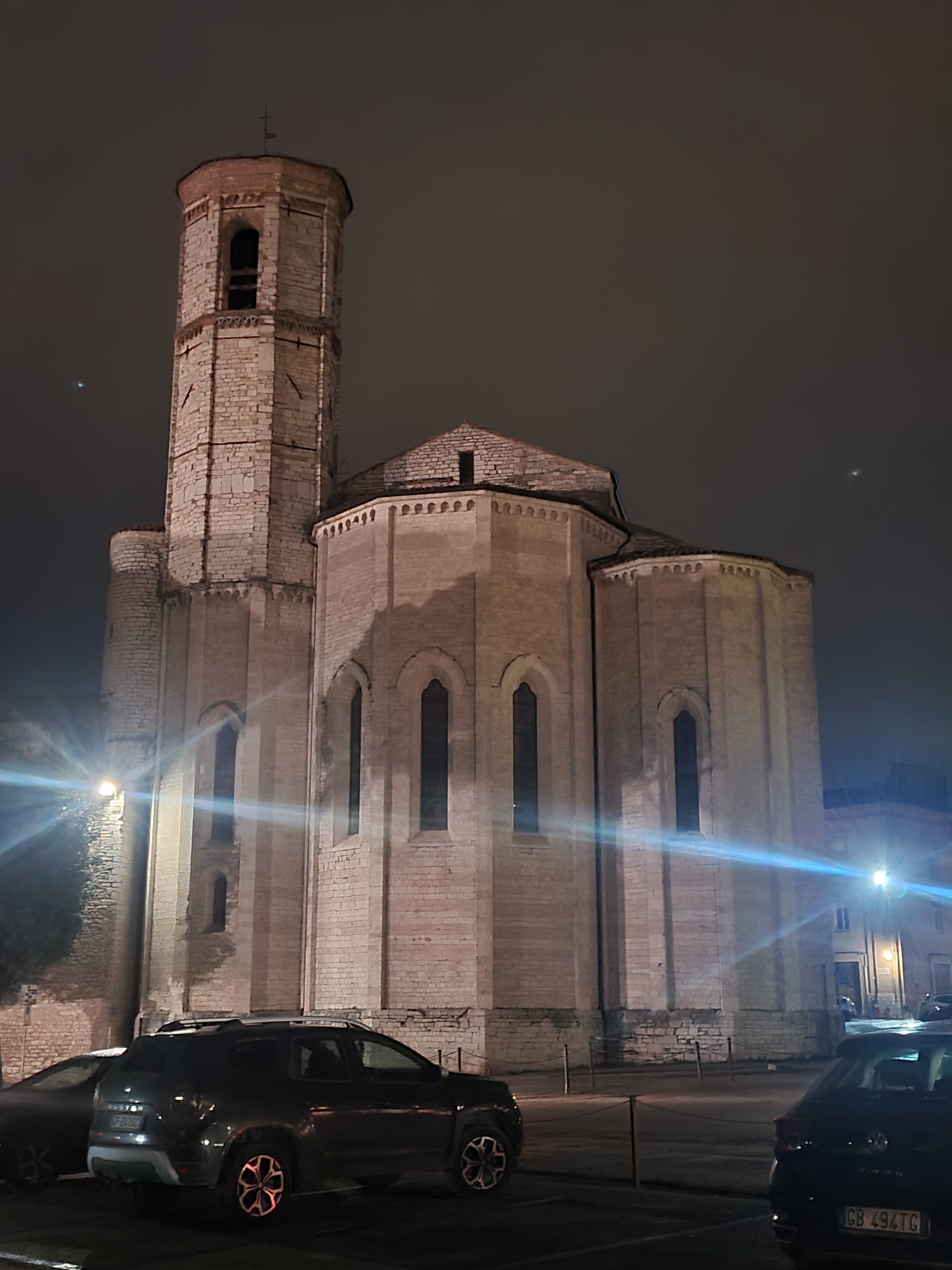
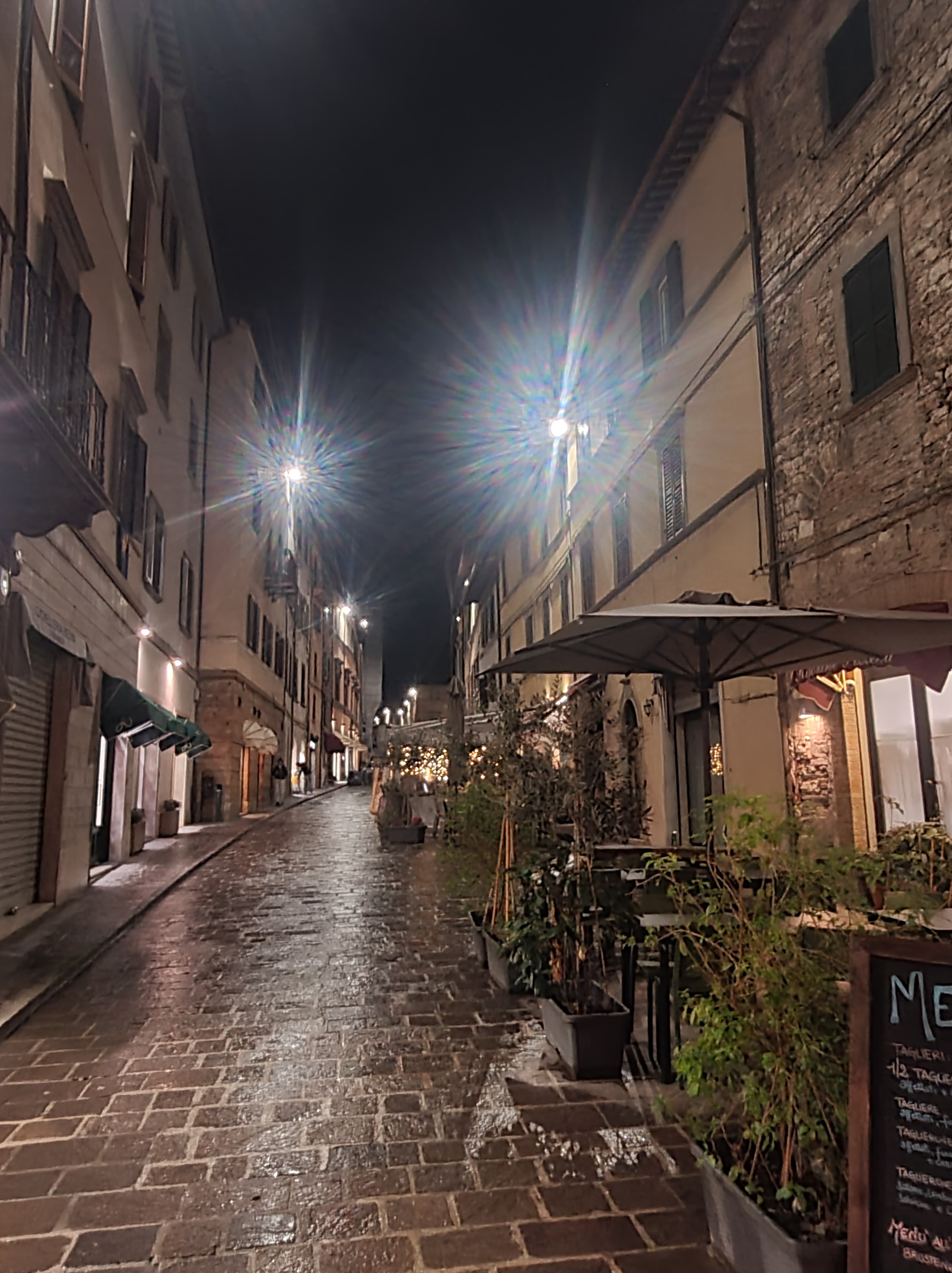
Later that night we made a quick stop in Gubbio. We passed an ancient theatre to the right of our parking area, but we could not walk to the ruins. We hiked up to the top of a hill to see the church, but it was closed for repairs…and then it started raining. It was meant to be a short stop anyway, so we grabbed some photos of the hillside streets and then walked back to the bus to head to our hotel.
At this point, we were over halfway through our journey around Italy. We continued our time in the North by visiting the lakes’ region. The area was about 10 degrees cooler than central Italy, and in early March…it could be fairly cold if the sun wasn’t out.
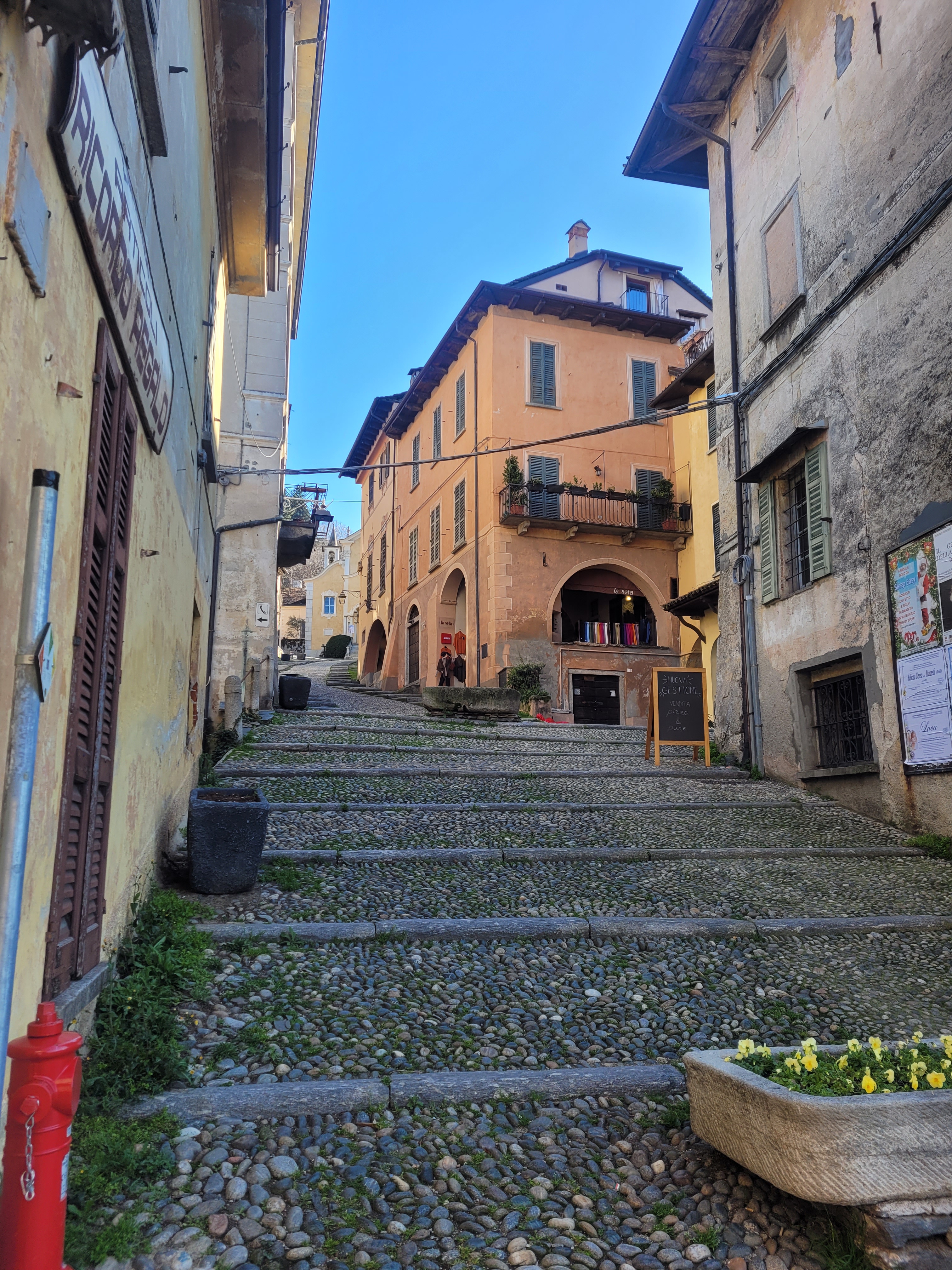
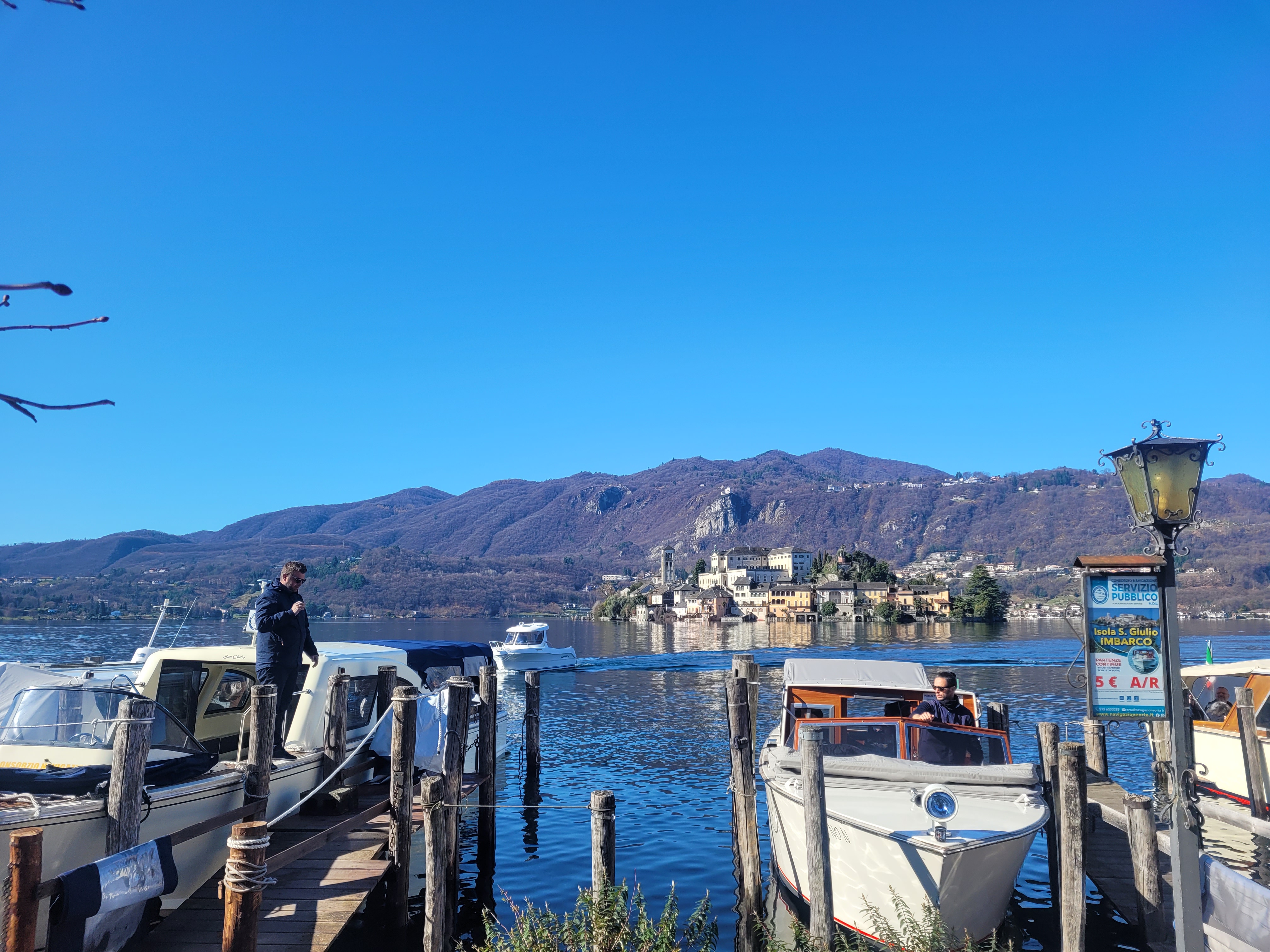
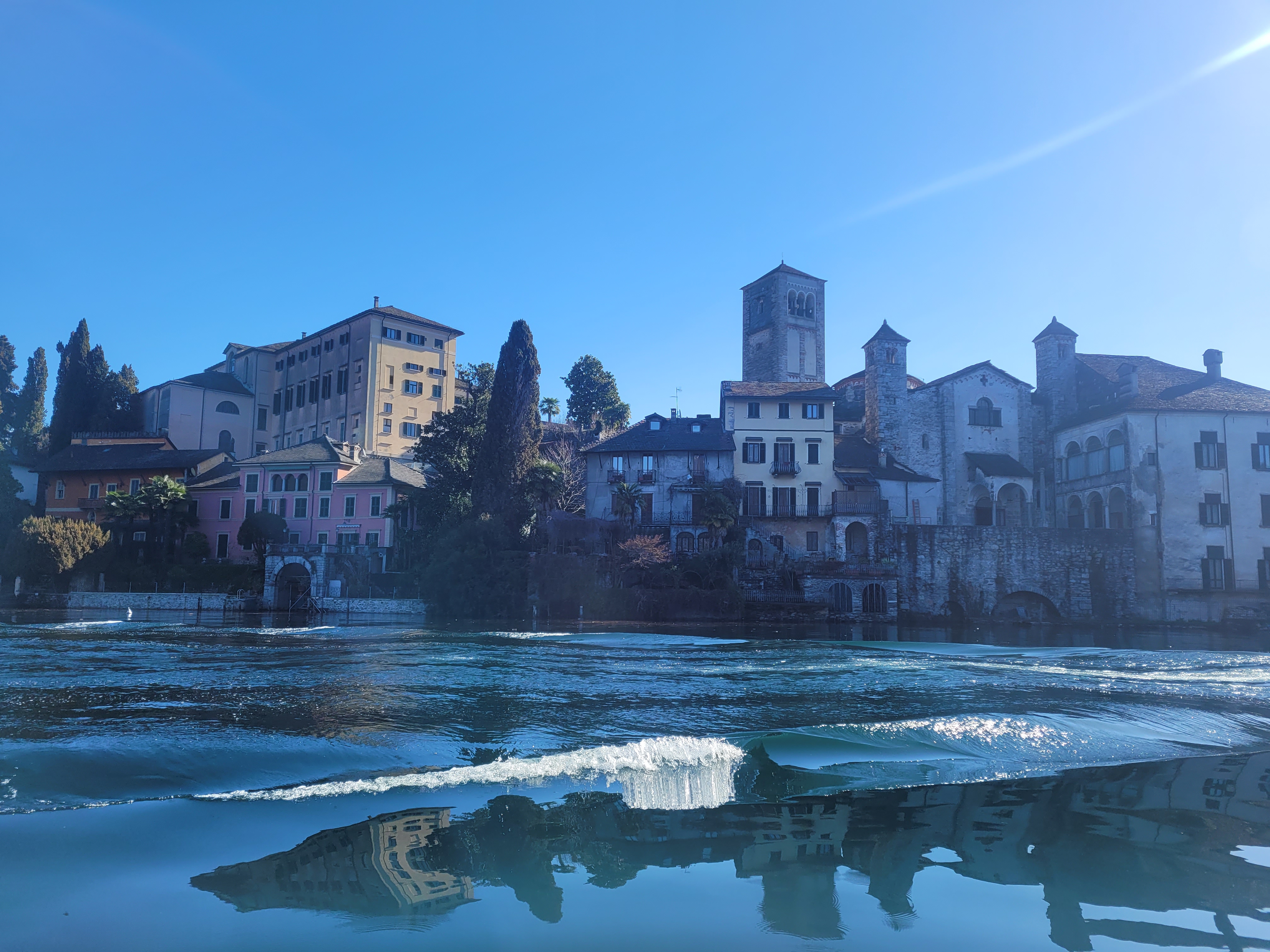
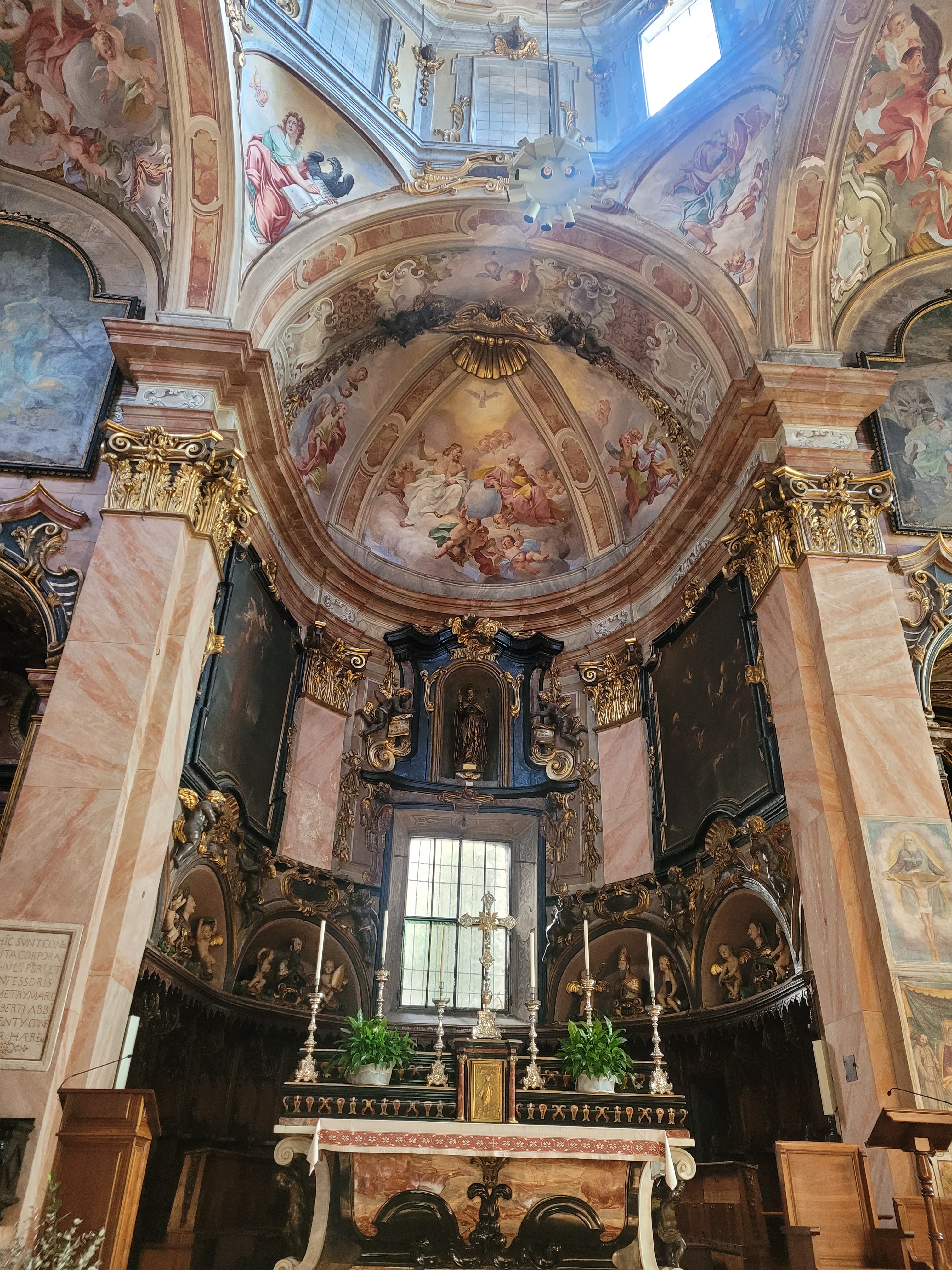
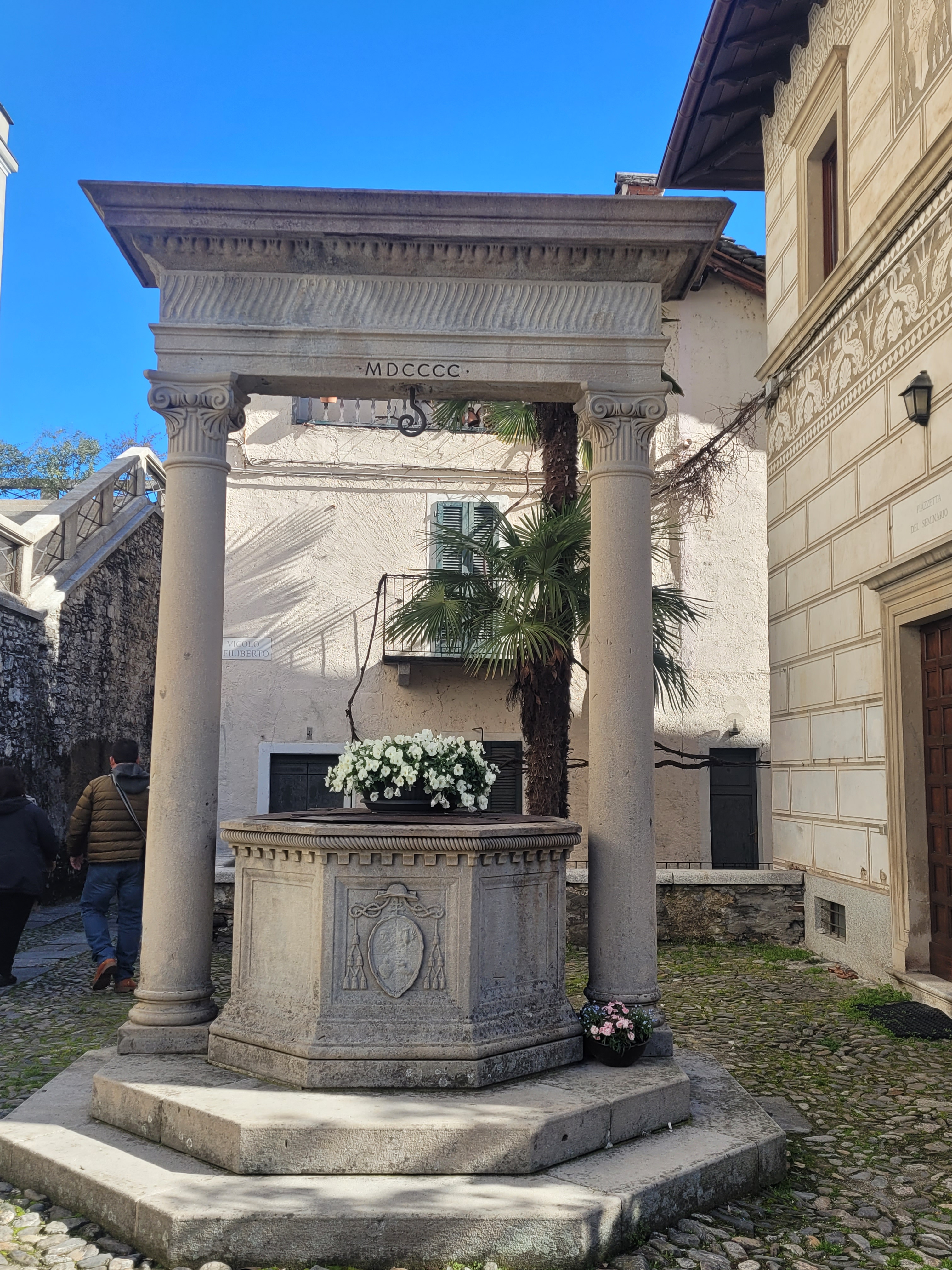
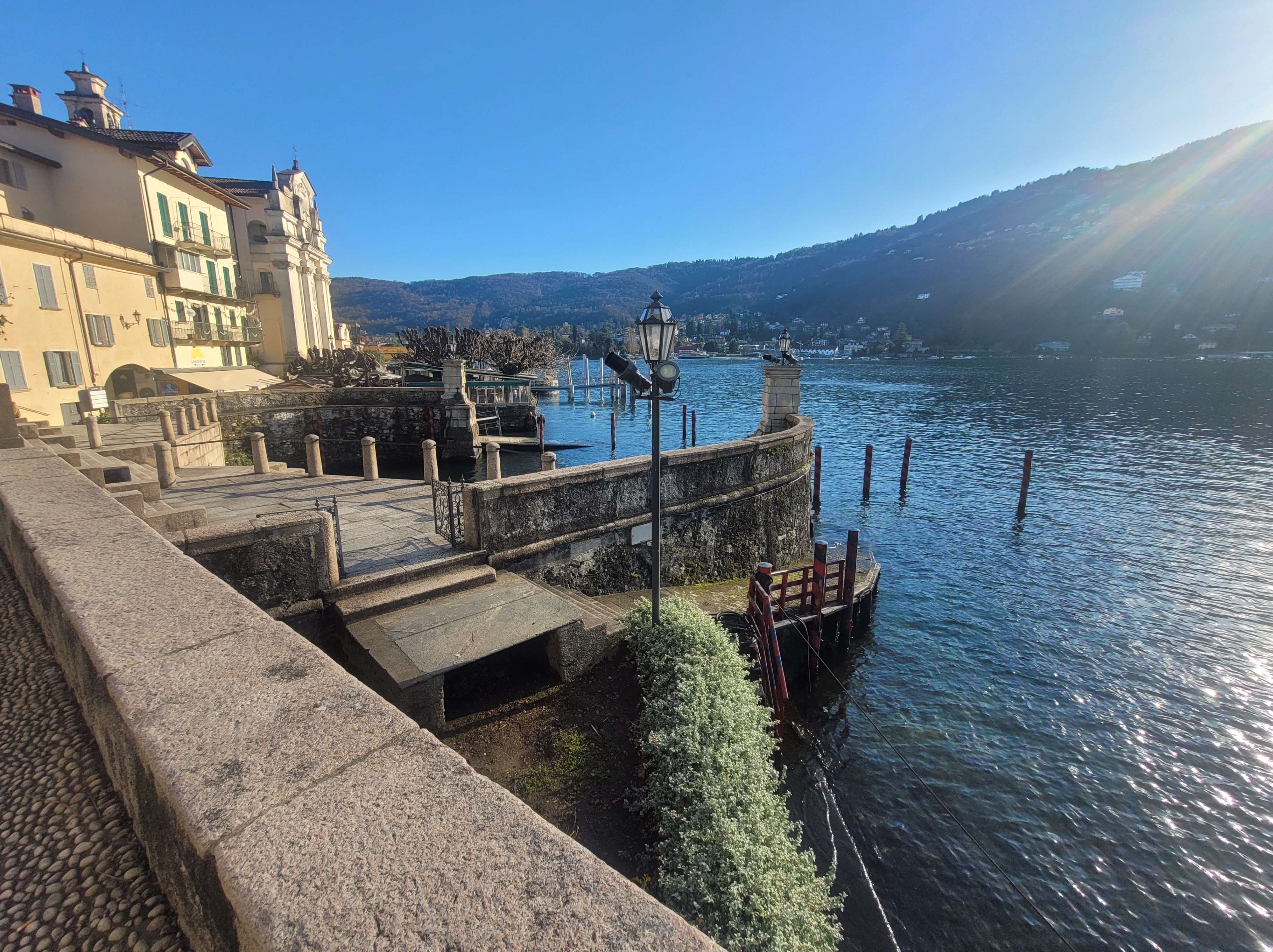
Getting off the bus, we loaded small trams, like at Hershey Park or in Pisa, and traveled to the boat launch area. After a short ride, we landed on the island of San Giulio on Lake Orta. We had time to explore a small church and walk around the cute streets by the water.
We grabbed coffee in the sun and tried the gelato at the nearby shop. We heard that if the pistachio gelato was bright green, the shop did NOT use natural ingredients, so every gelato shop we saw required a view of the pistachio. This shop had the palest pistachio we had seen, so we had to try some. It…was…amazing! Just like eating a nut only in gelato form. We tried a few other flavors as well, and they were all amazing, making this little shop on this little island my favorite gelato in Italy.
Our boat taxi took us back to the parking area and we enjoyed a short ride to the town of Stresa at the edge of Lake Maggiore, another cute area to explore.
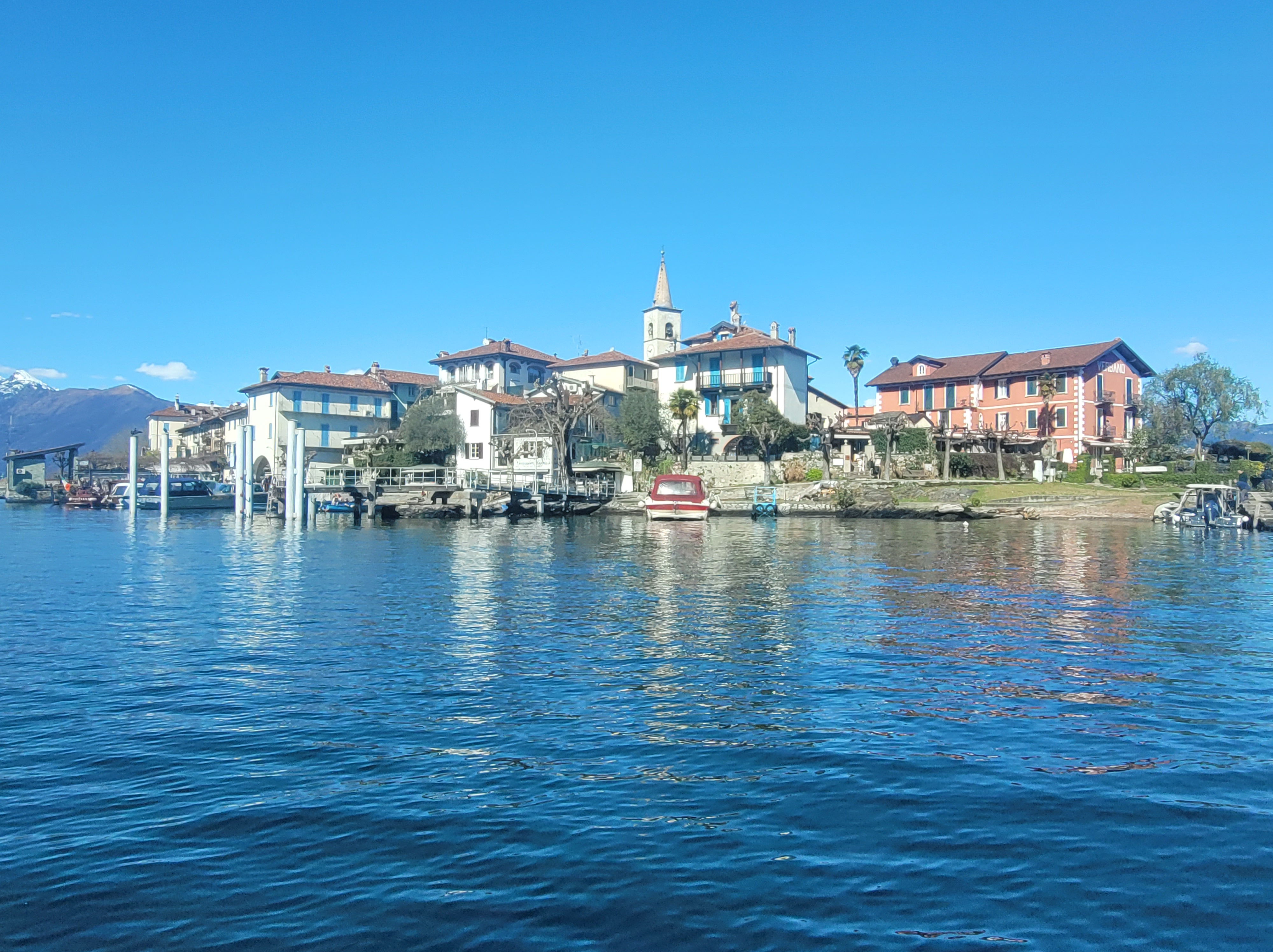
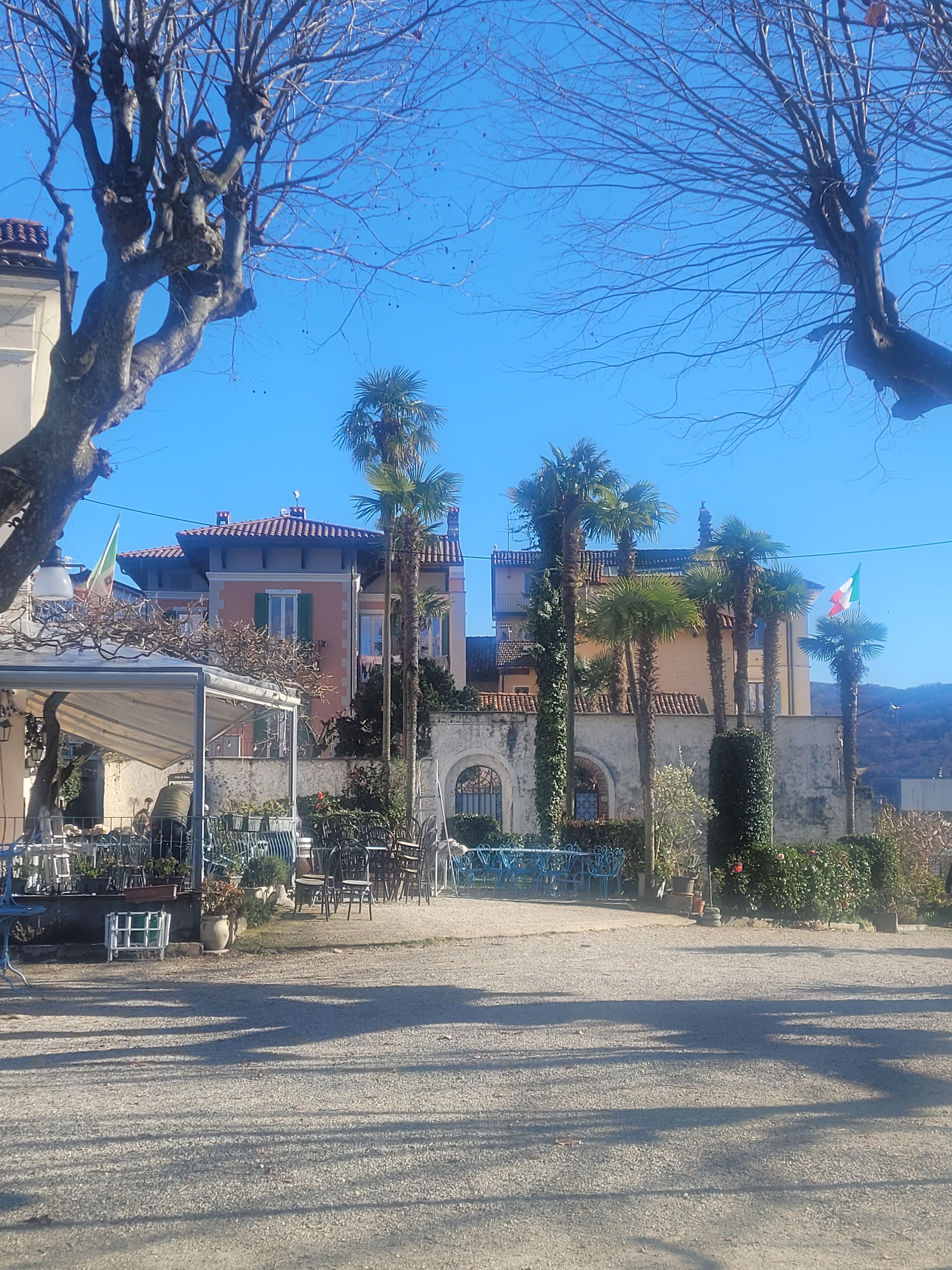
Most of the family opted to stay in Stresa, while I boarded another boat taxi to the Borromean islands. The sun was shining and it was warm enough to enjoy some time on the water. Our first stop was “Fisherman’s Island”. Since it was not yet peak season, many locations were not open, or were undergoing seasonal repairs and updates. We had lunch at a place called Chez Manuel and then enjoyed wandering around the few tiny streets.
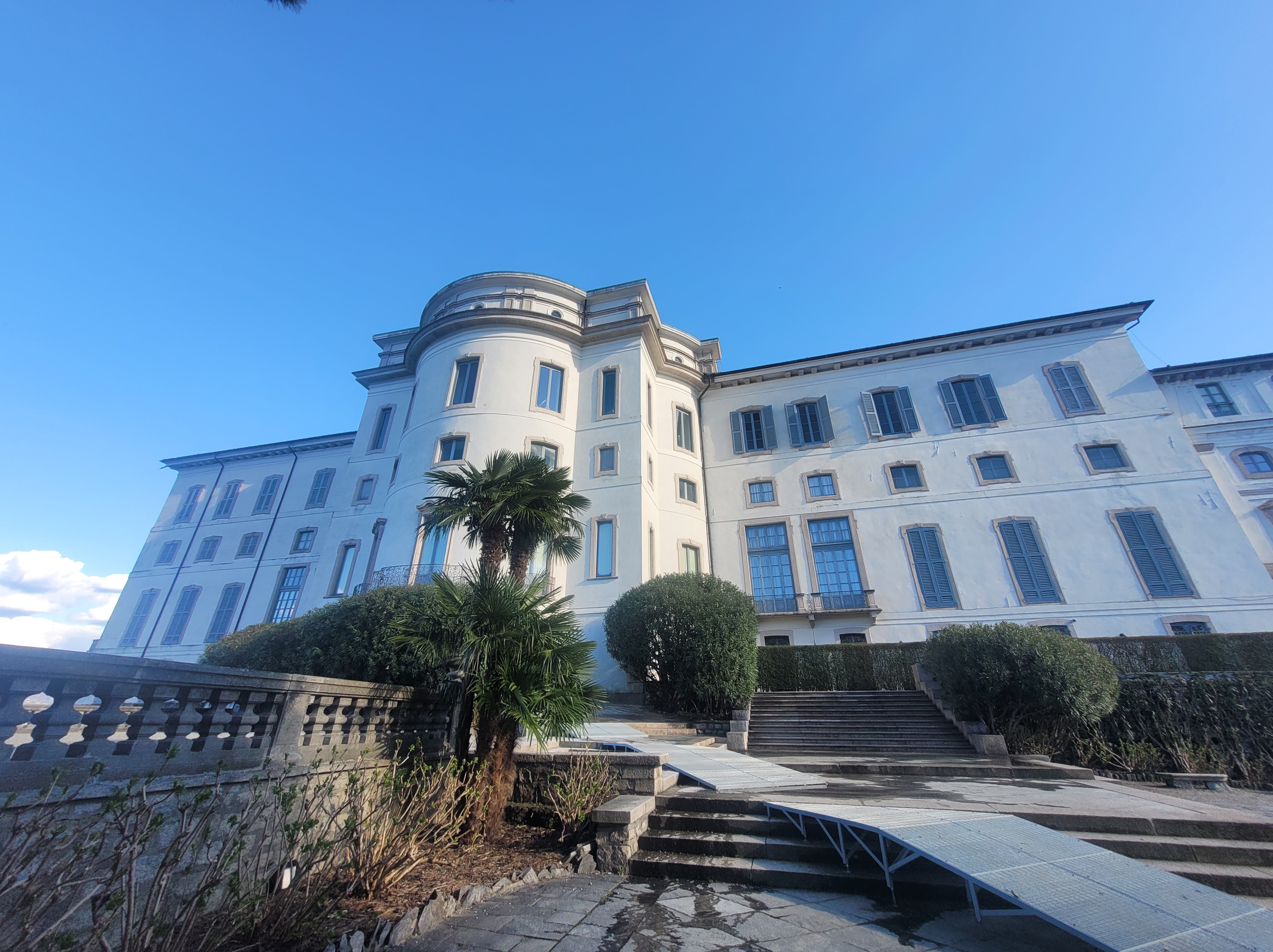
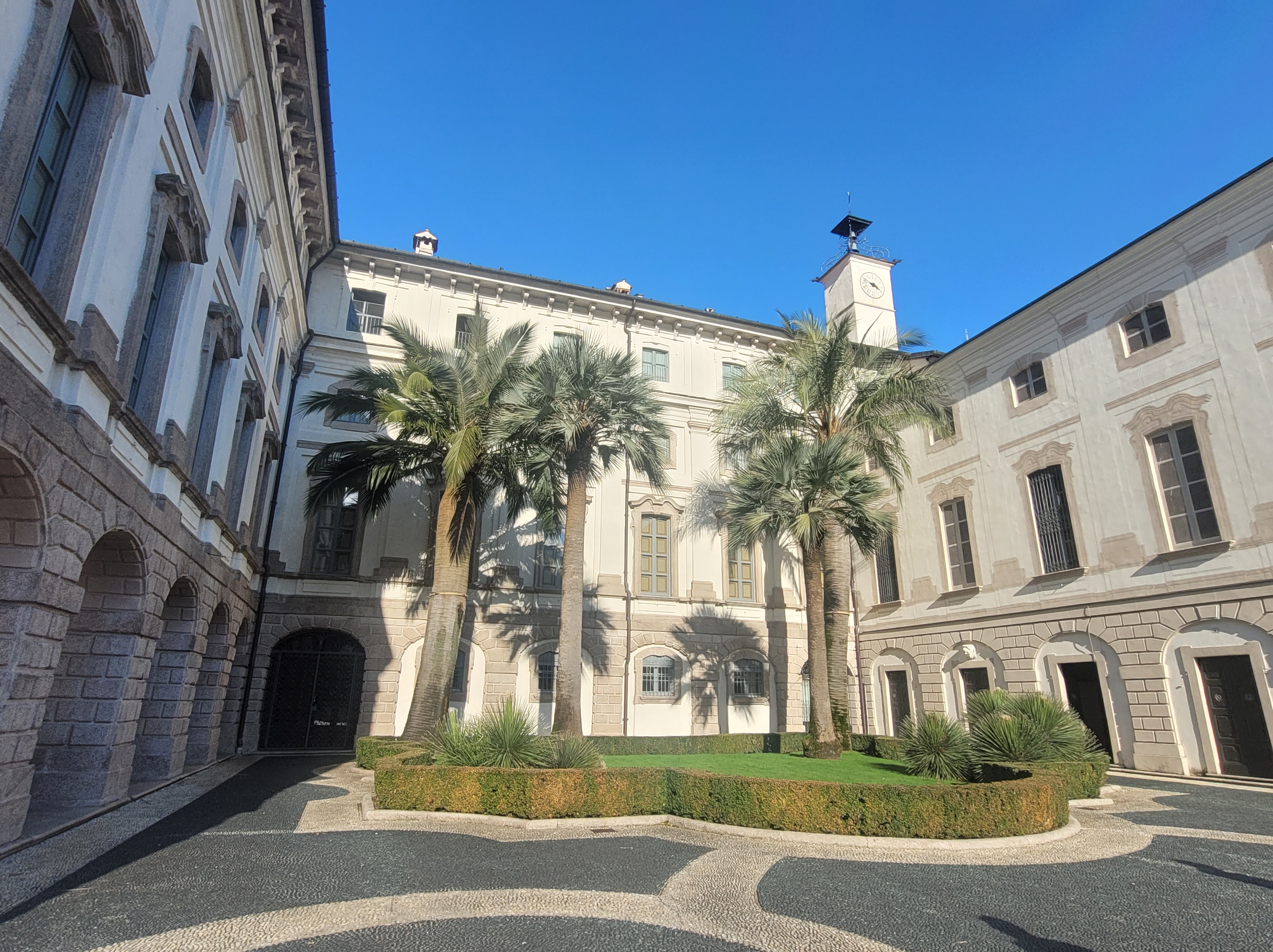
After lunch, we took the boat to Isola Bella, or “beautiful island”. The island is privately owned by the Borromeo family who acquired many of the local islands throughout the 16th century! The mansion was closed, but during limited months of the year, visitors can tour the inside.
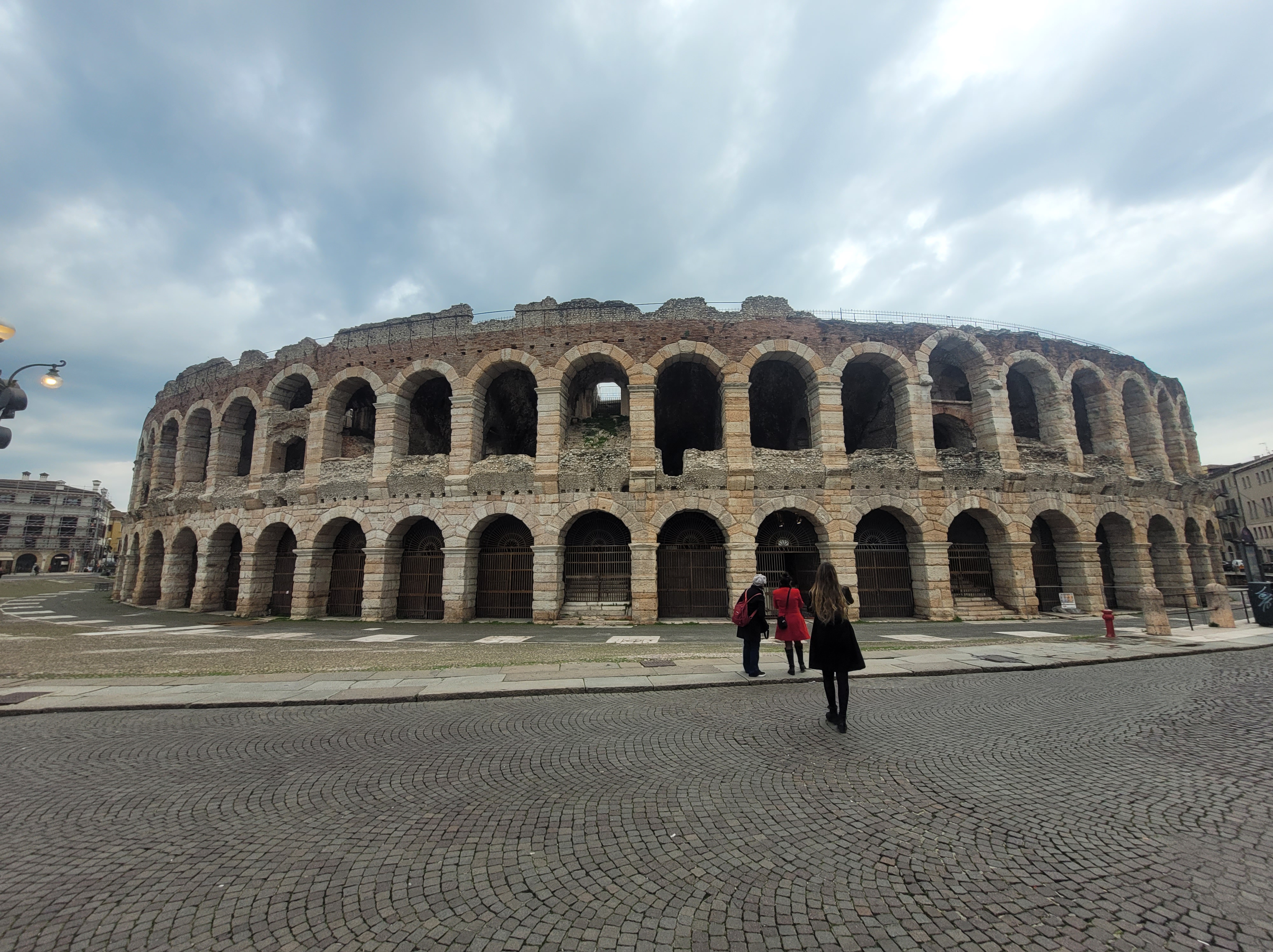
The next day we traveled to Verona, the legendary setting of Shakespeare’s Romeo and Juliet. Walking through the city center we passed the city’s colosseum. Smaller than the one in Rome, this perfectly preserved structure is still used today!
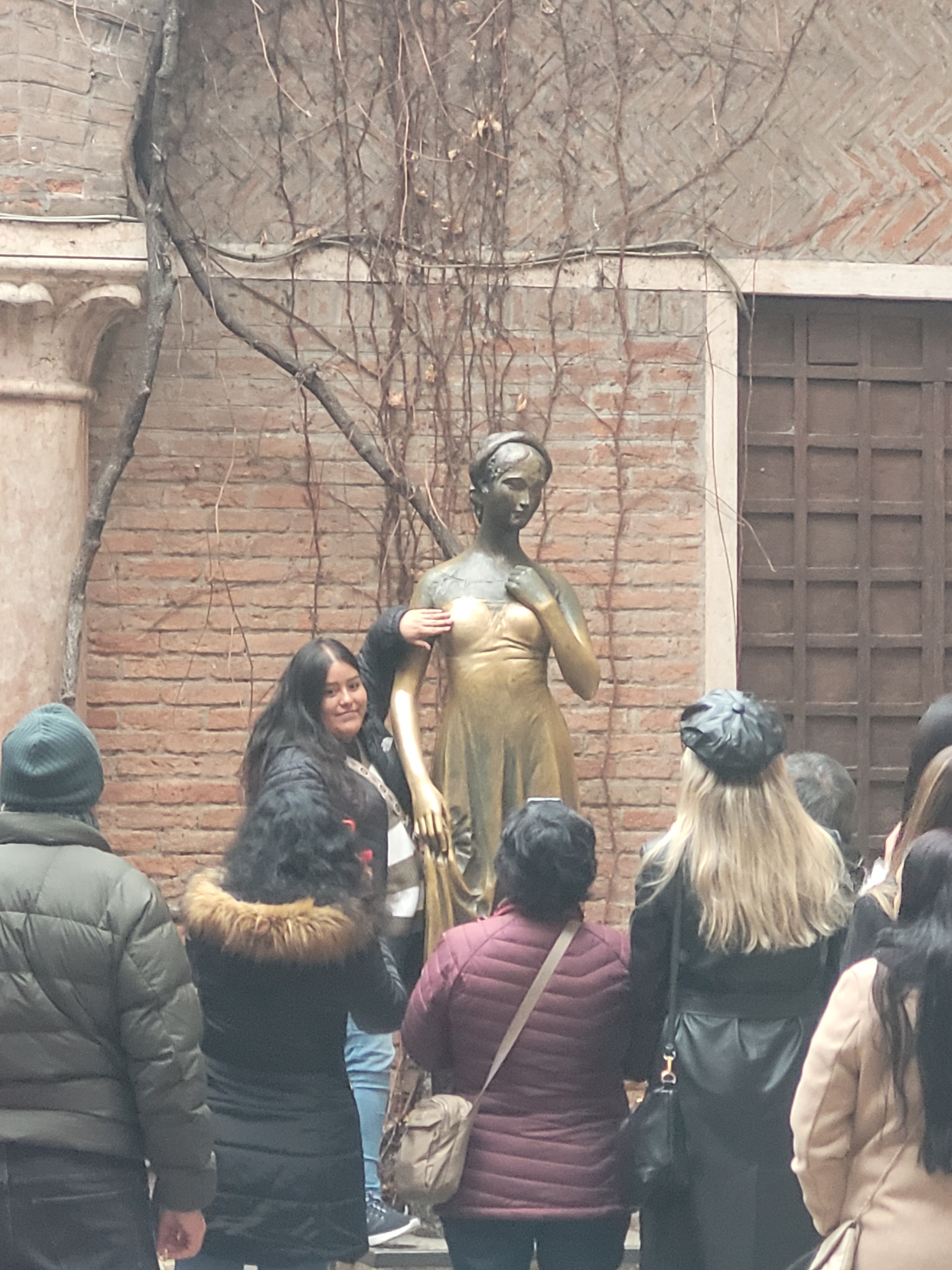
Not far away, down a side street, was Juliet’s courtyard, complete with her statue at the end. It is said that visitors who approach the statue and touch Juliet’s breast will find true love, so there seems to be a never-ending line of willing participants.
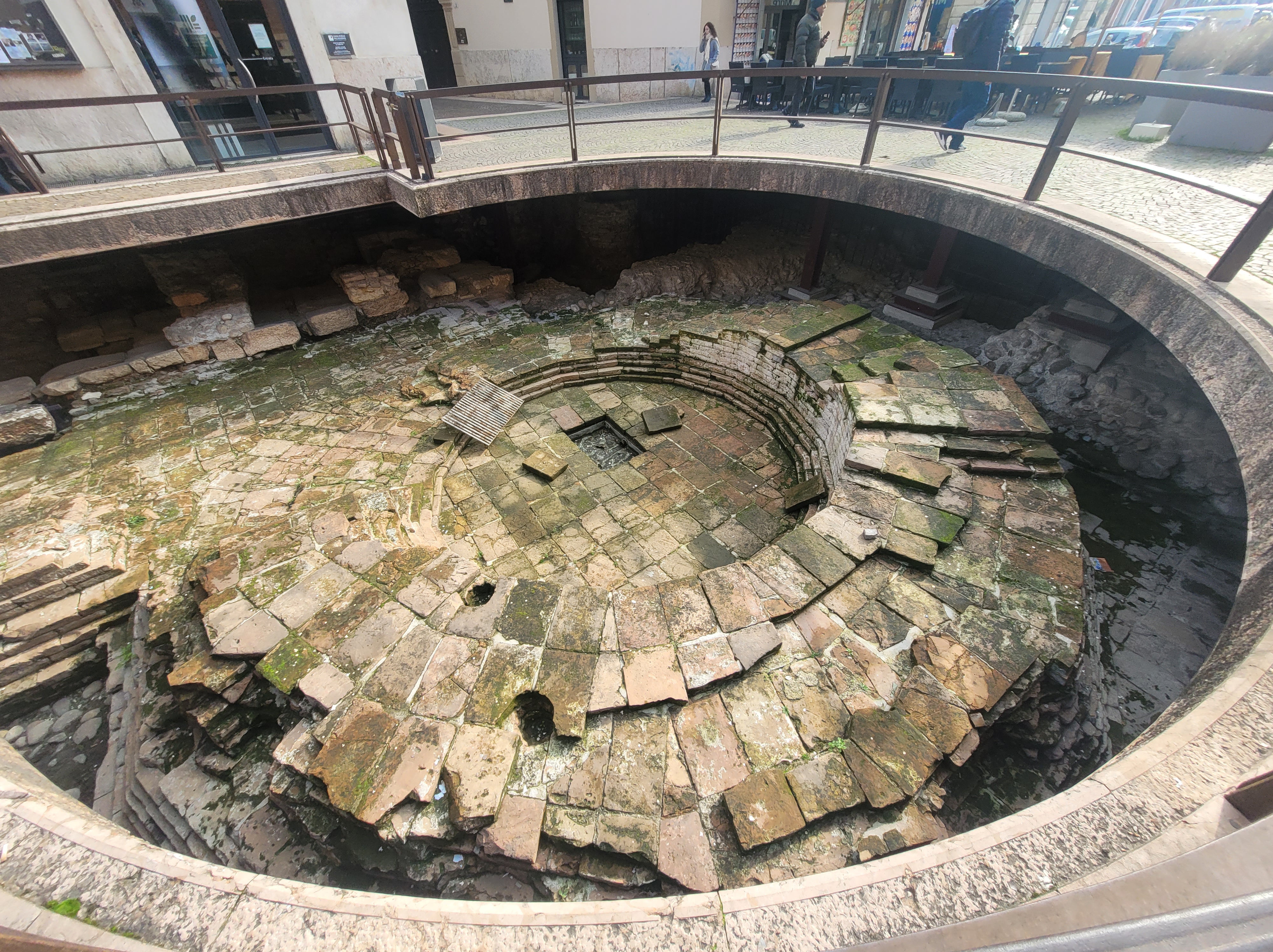
We had time to walk around, grab some coffee and pastry, and view Roman ruins in the middle of the road before returning to the bus for our trip to Venice.
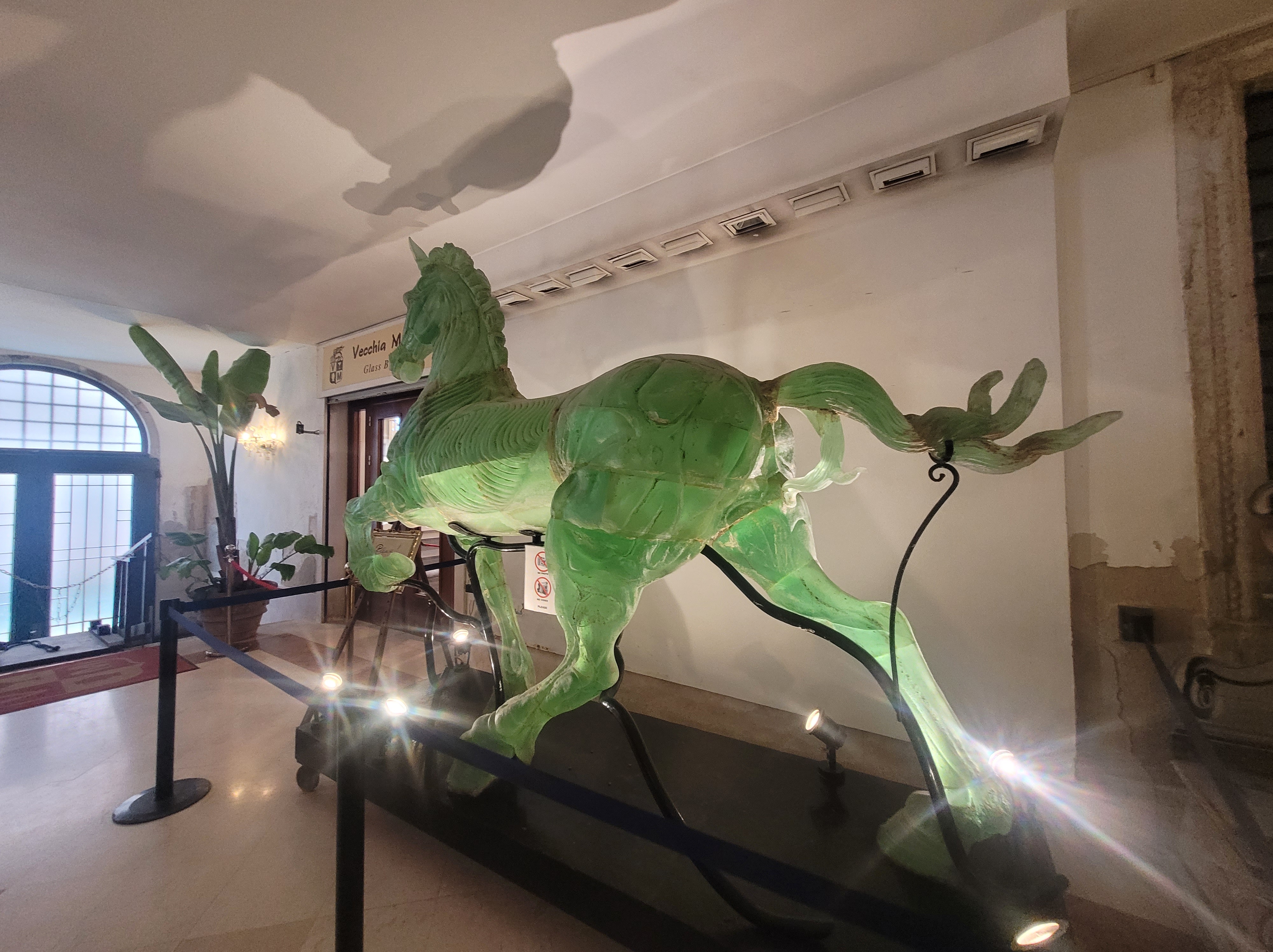
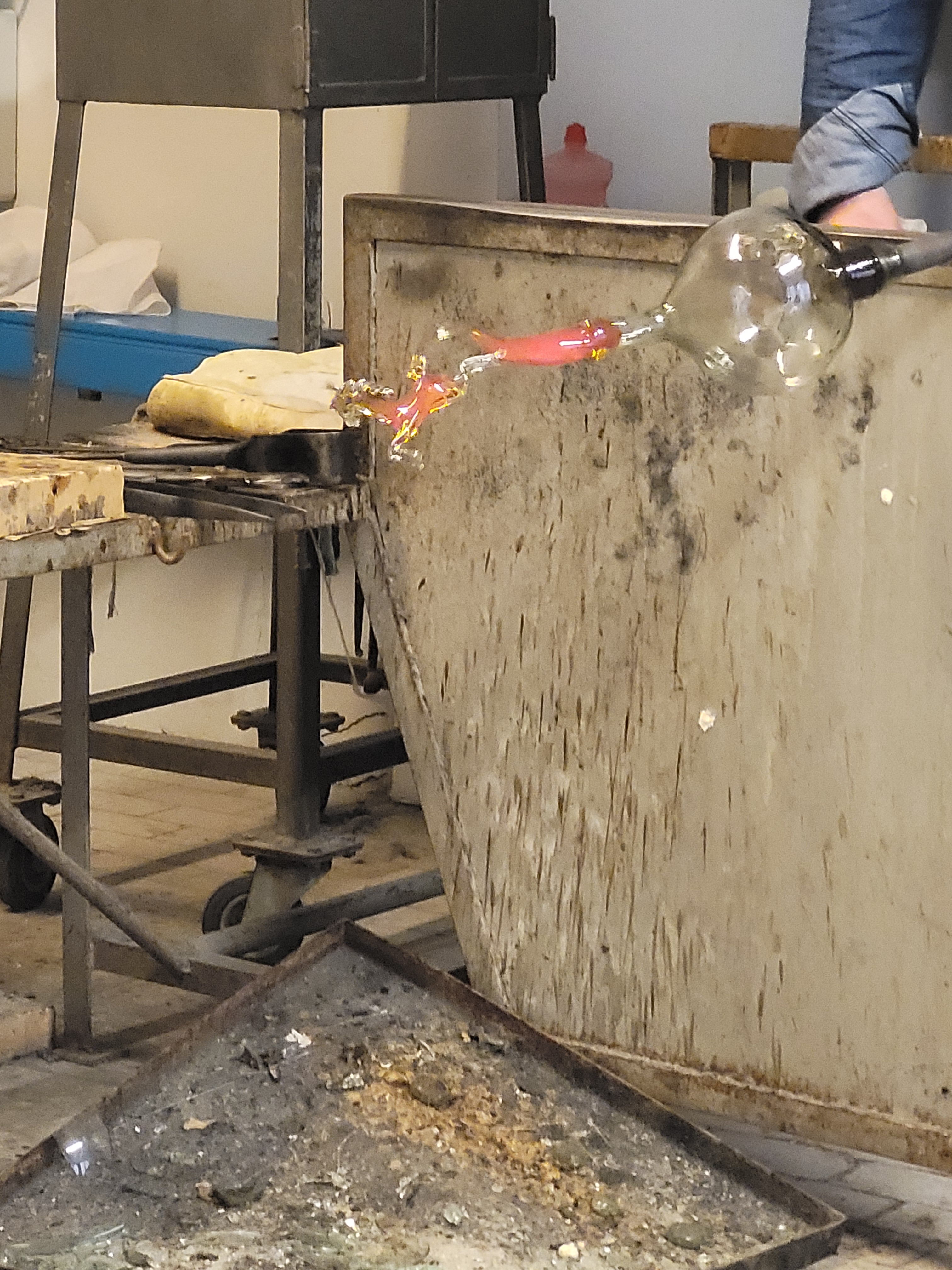
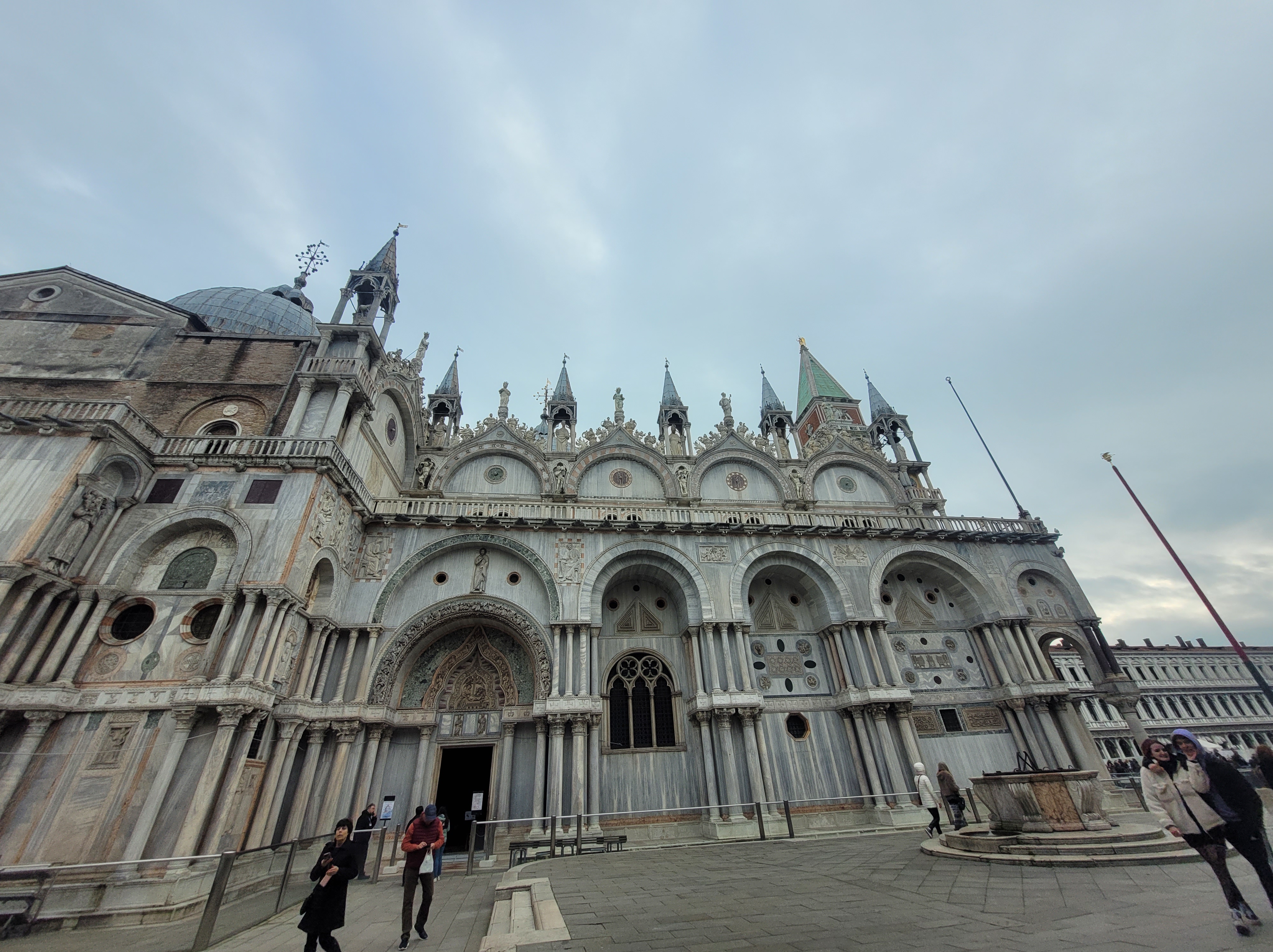
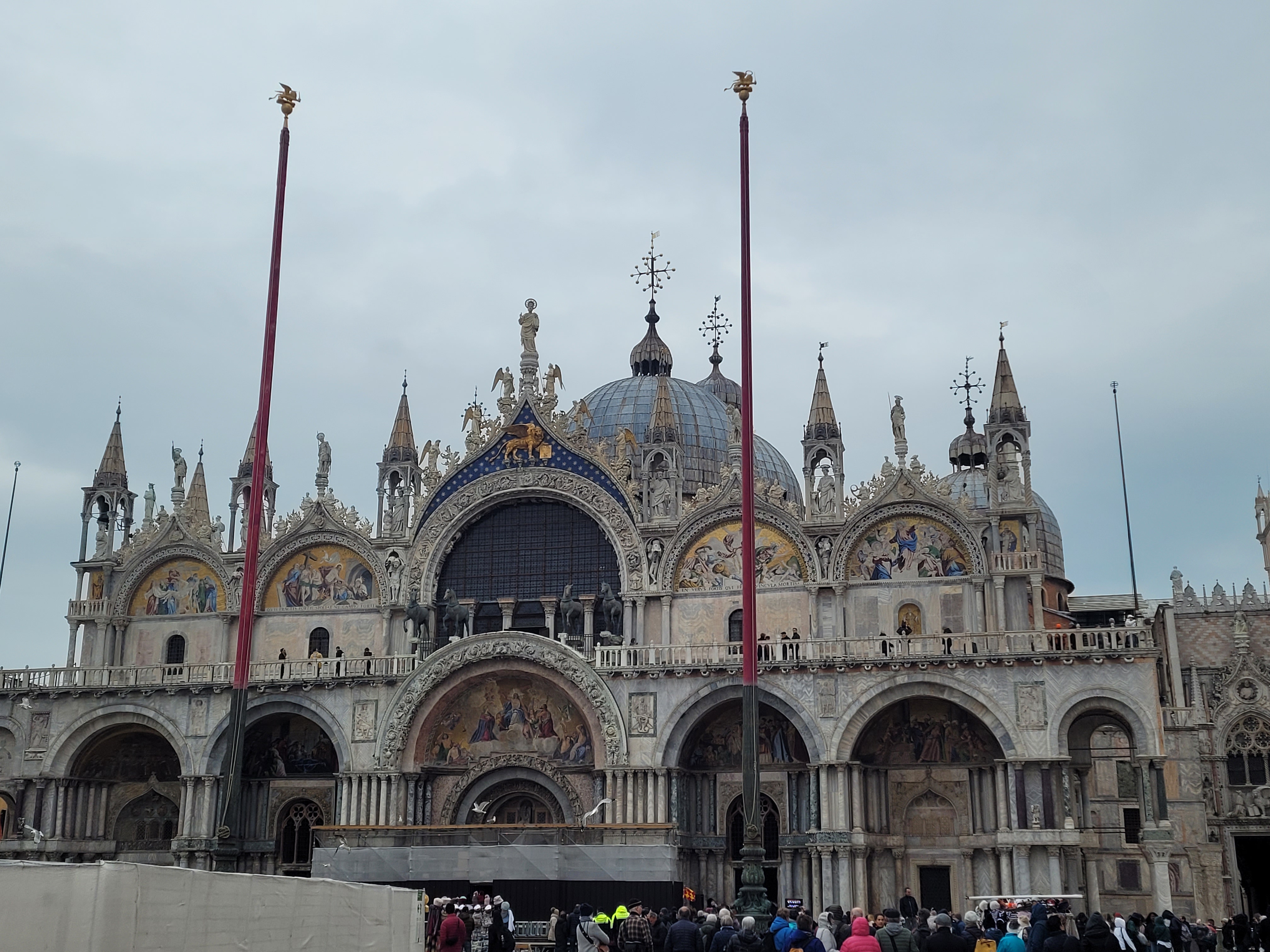
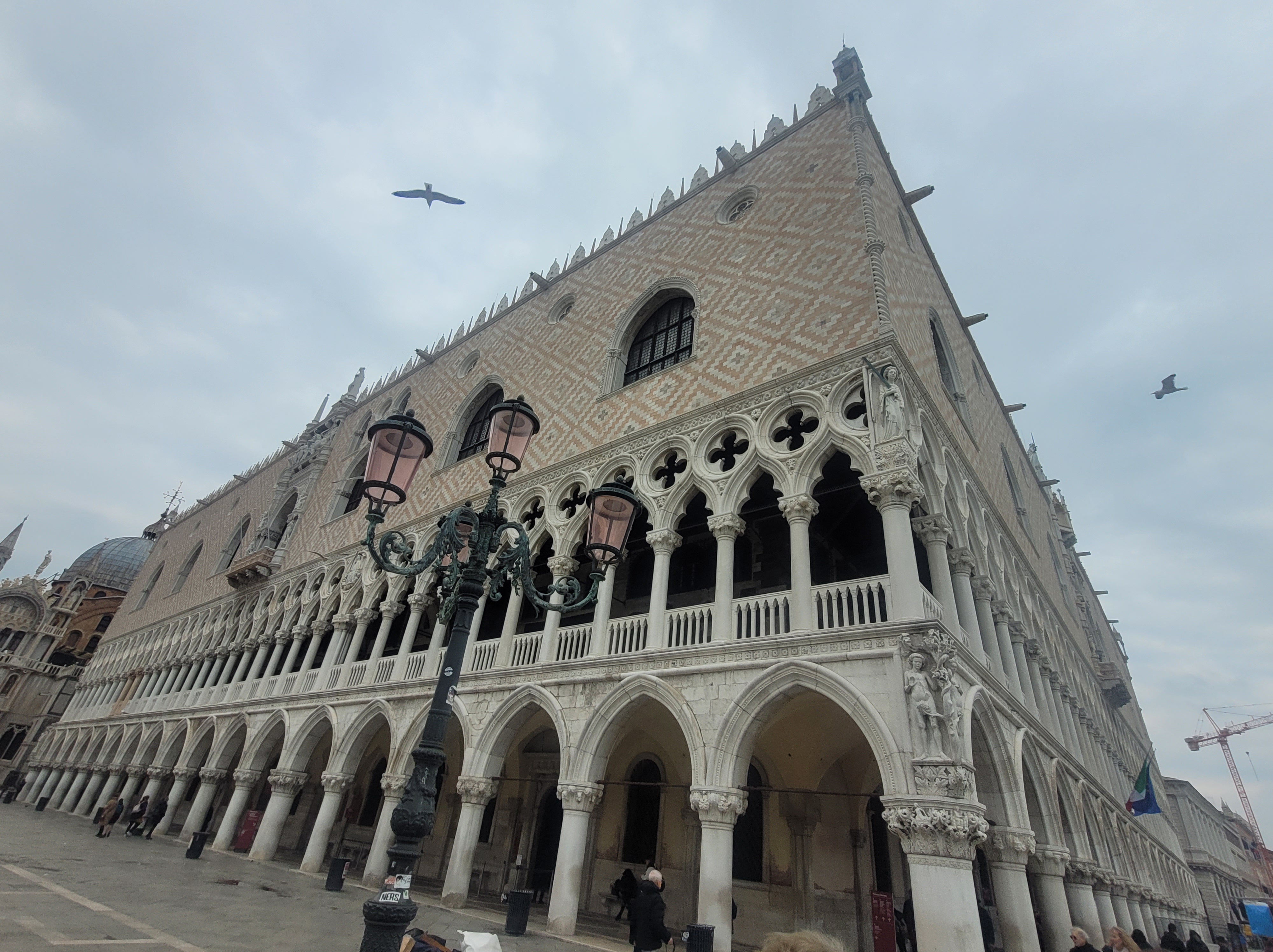
At the port, we boarded our water taxi to St. Mark’s Square. The day turned cloudy, cold, windy, and unforgiving. After our history lesson with the local guide, we were taken to the Murano glass factory…the only one in the Venice island collection. We sat in the front room and watched a short demonstration of an artisan creating an amazing blown glass creation right in front of our eyes. It only took a few minutes and it was mesmerizing to watch the artisan create a horse figurine.
Moving further into the factory, we walked through display areas and learned how the beautiful creations were made, what elements were mixed with the glass to turn an item into beautiful colors, and how the families in the collective pass down these skills through the generations.
We braved the cold to walk around a little before stopping for lunch and coffee to stay warm. The prices in Venice were expensive, but it was too cold to stay outside for long! A few of us backtracked to a small cannoli shop (which turned out to be my favorite in Italy) to stock up on delicious flavors before heading to the meeting point at the dock. I highly recommend the amaretto and chocolate varieties. The weather was too cold to go on a gondola ride, but we grabbed some great photos and made the best of the day.
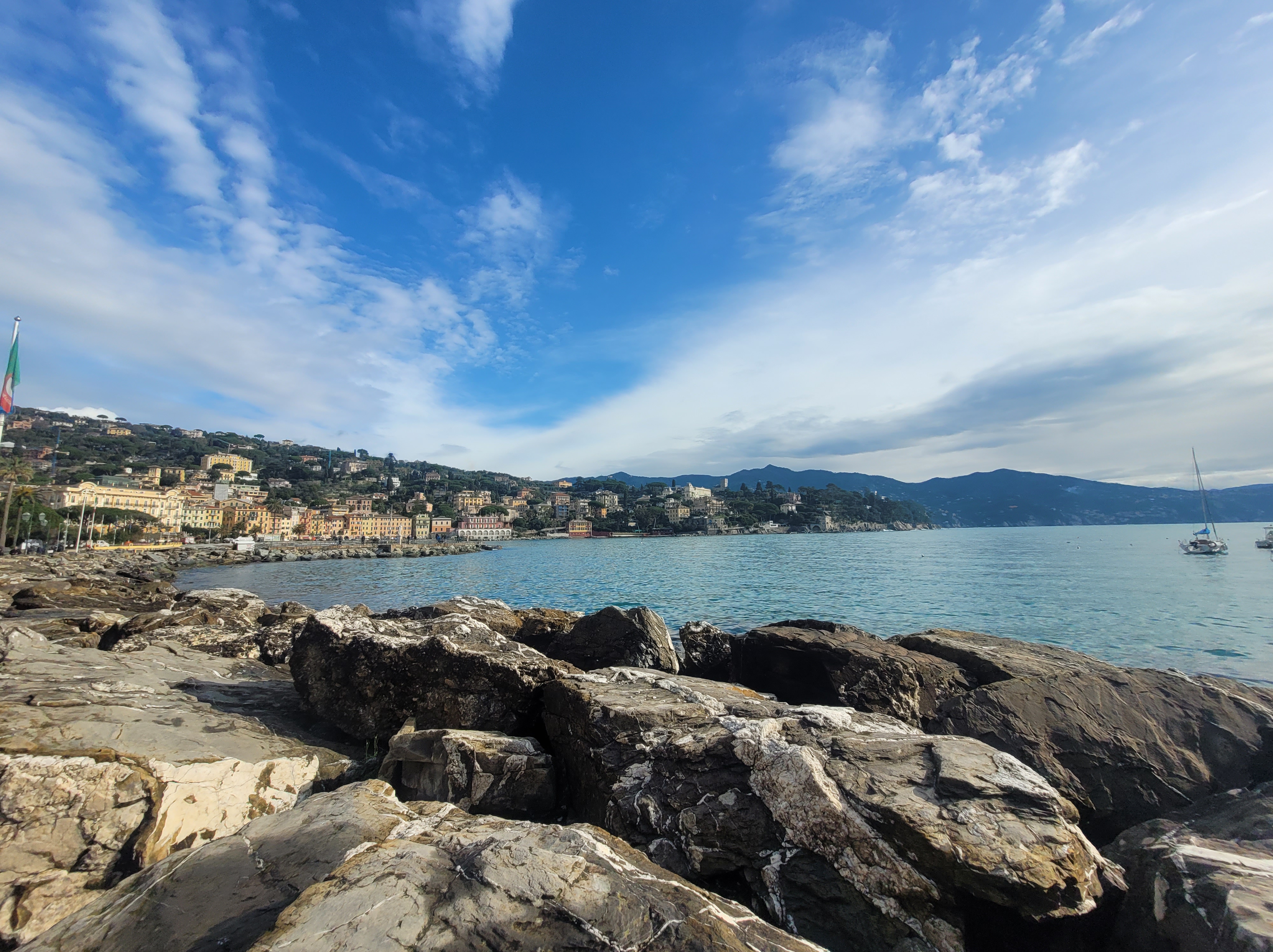
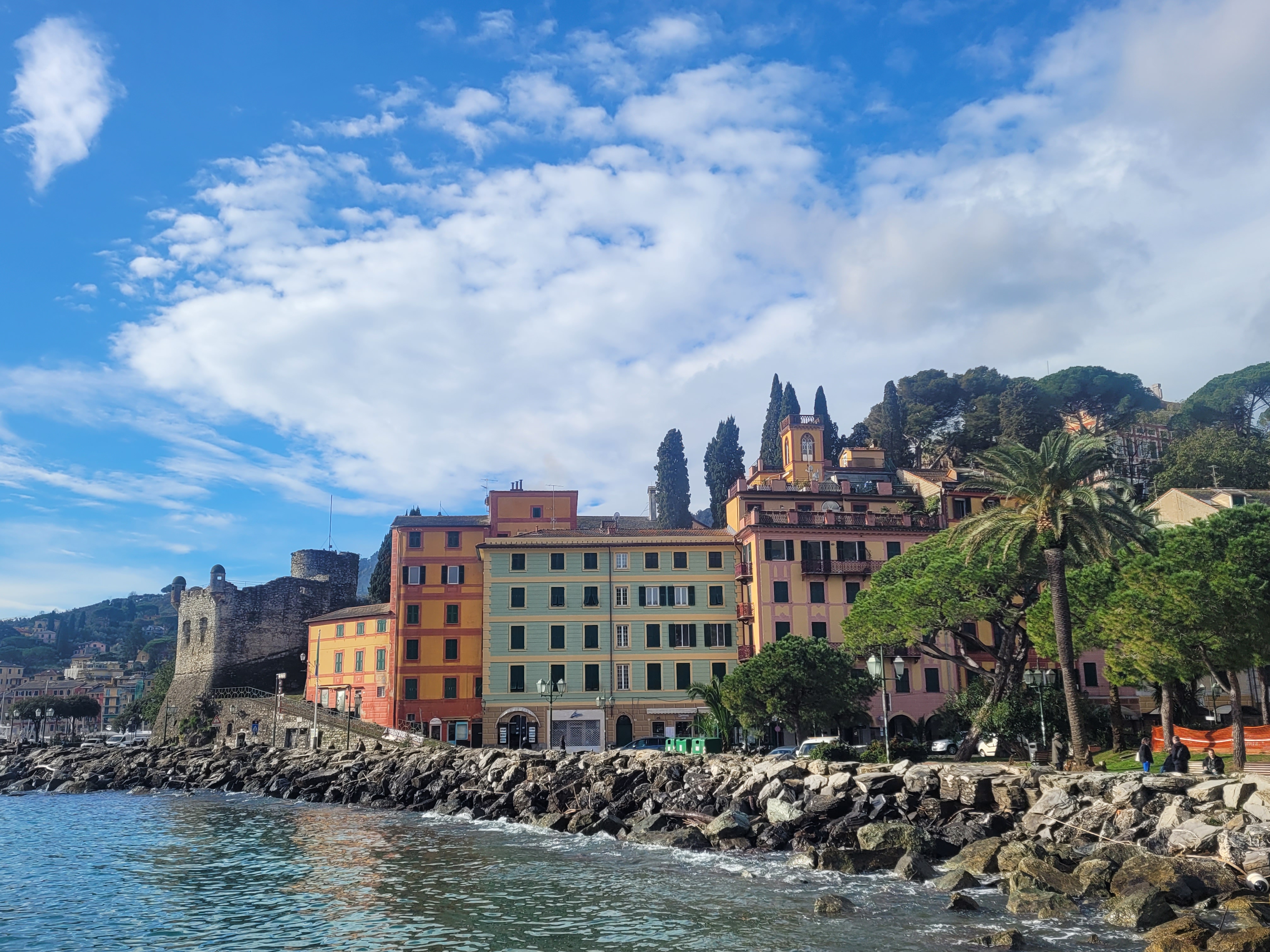
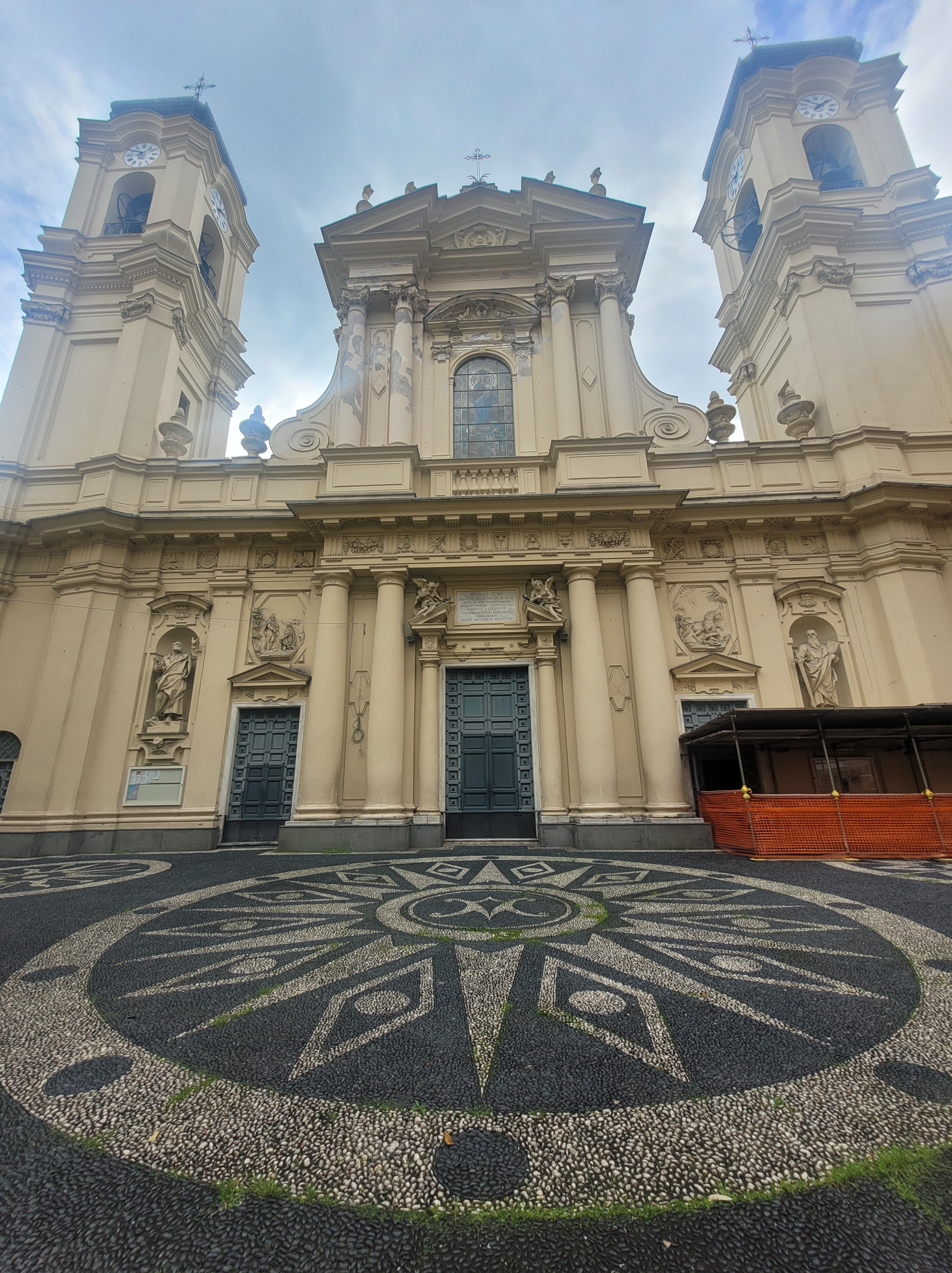
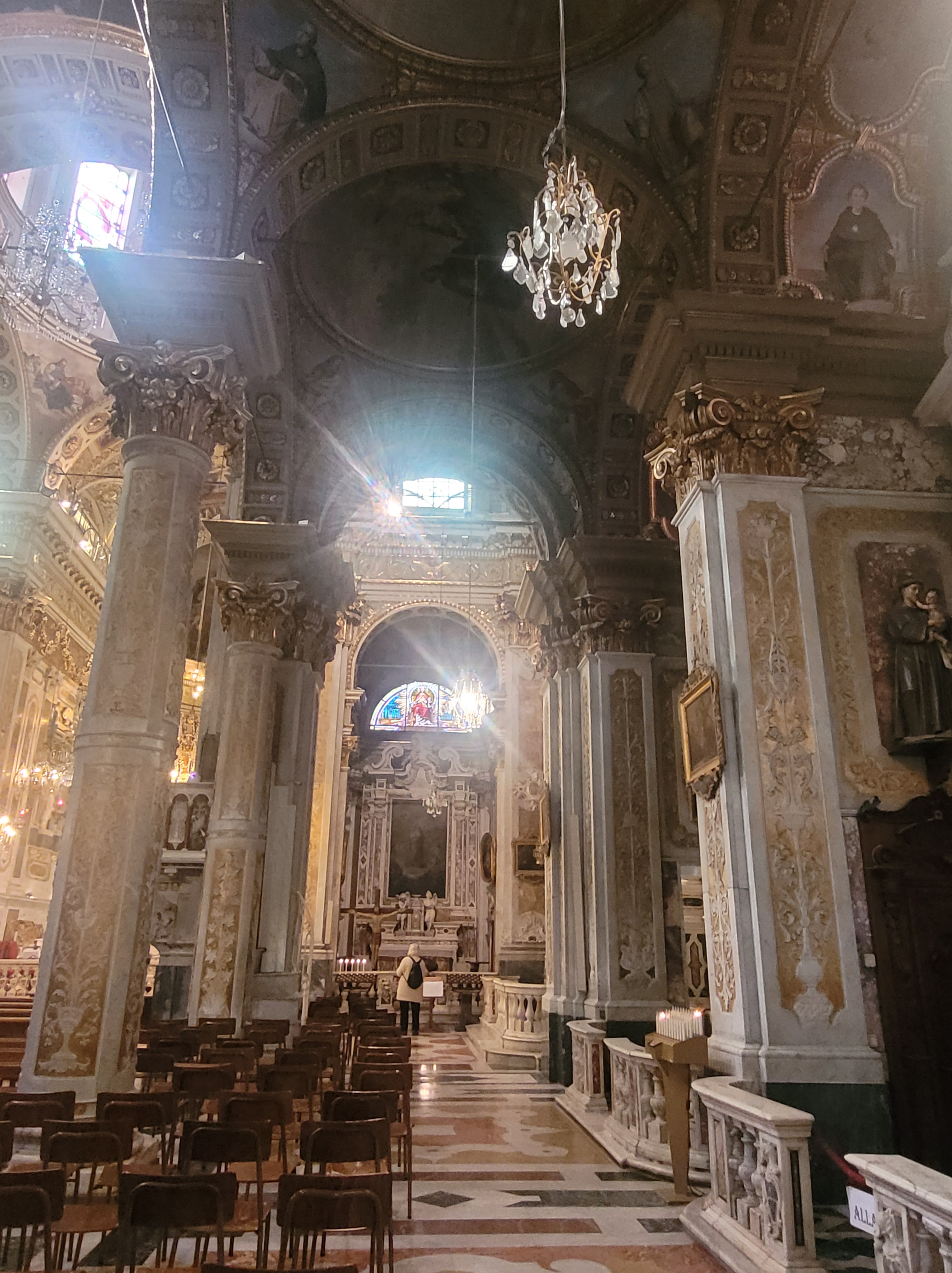
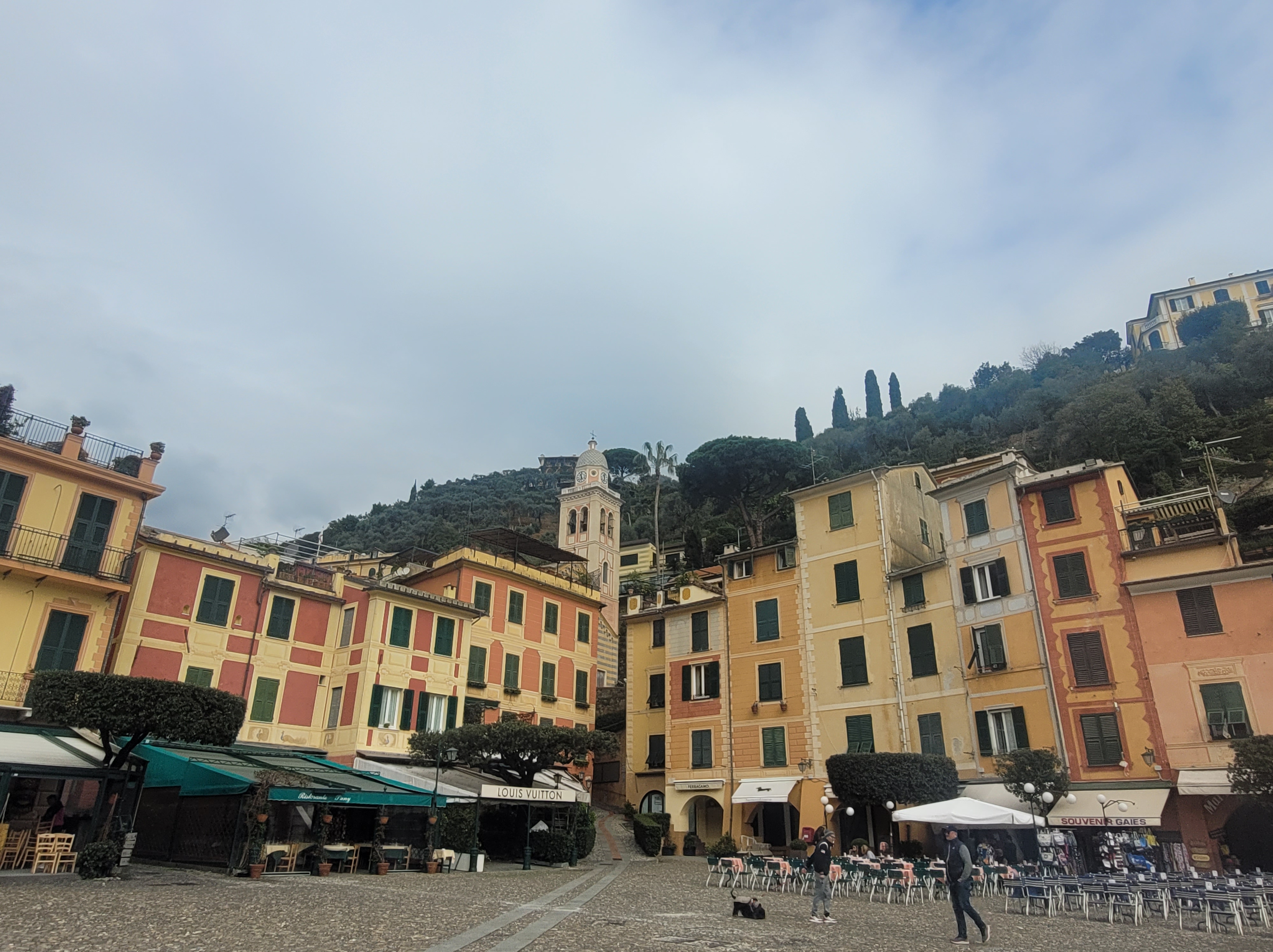
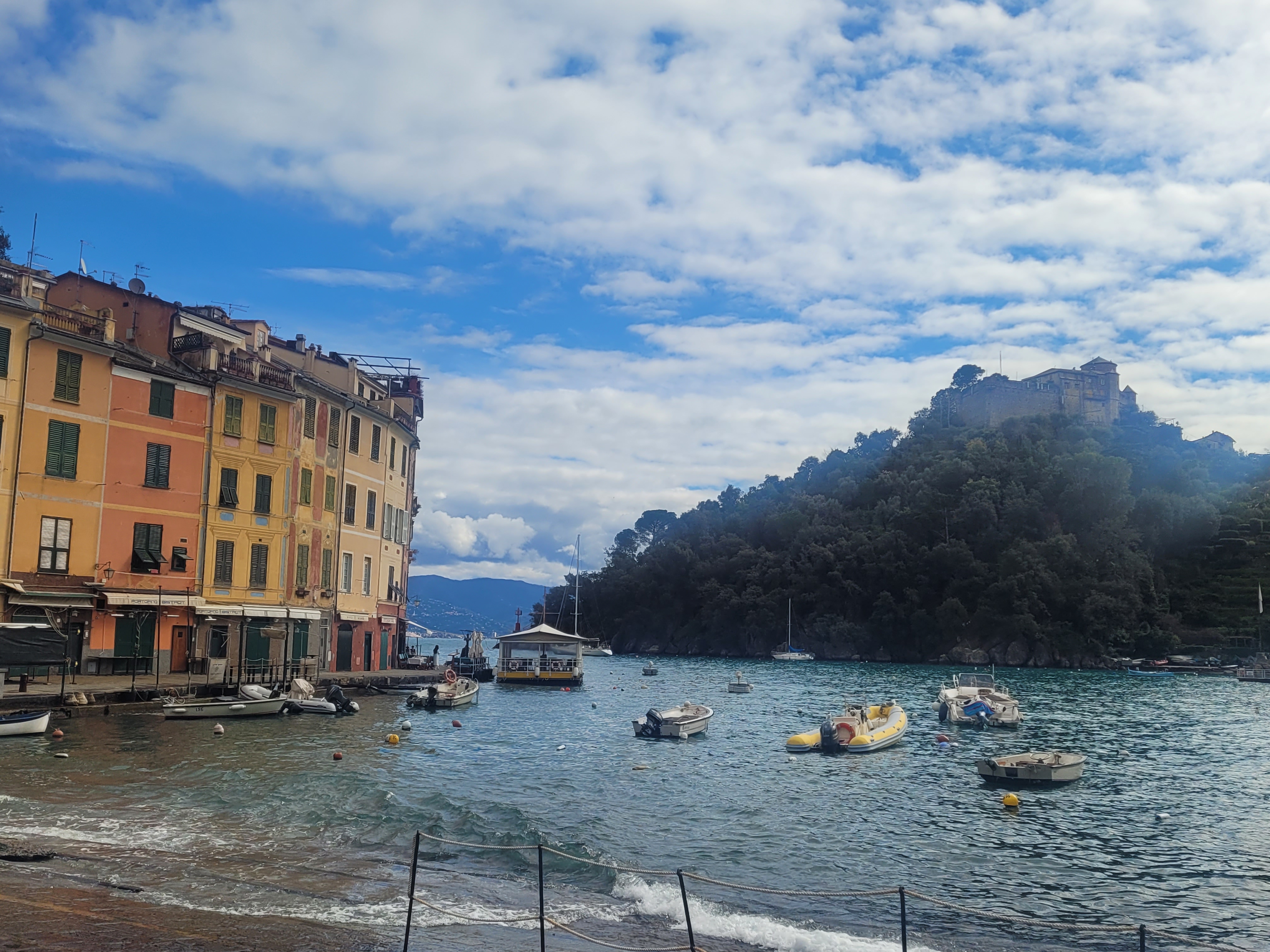
Traveling to these cities excited me because I didn’t know much about this part of Italy and I could not wait to see it. Due to rough water, we could not arrive in Portofino by boat. Instead, we took the bus for another short road trip, like our previous mornings. On the way, we stopped at a beautiful church in Santa Margarita de Ligure. We had about an hour to look around and admire this gorgeous location basking in the sunshine before heading out.
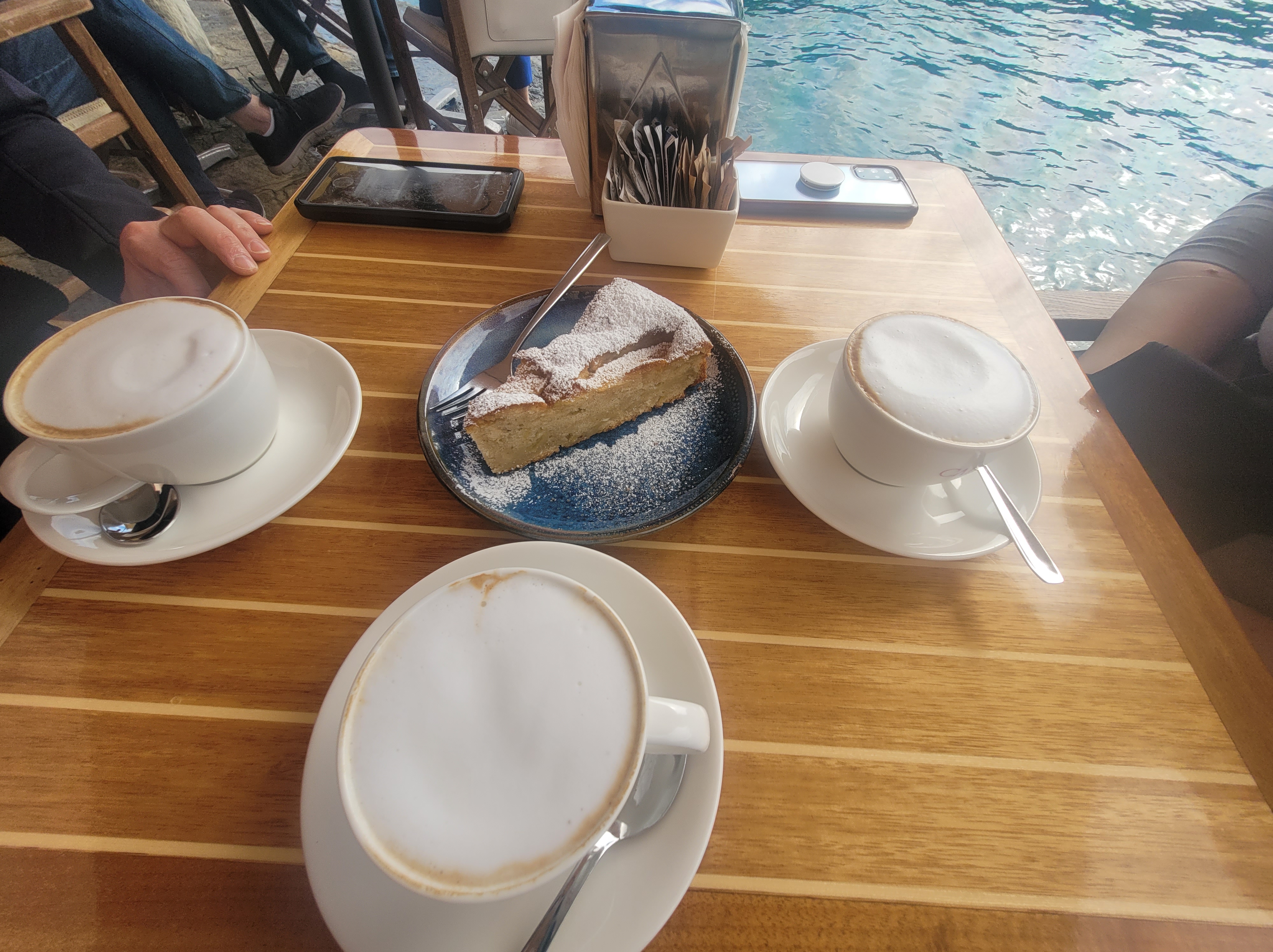
Our group got in line for small shuttle busses, which took us to Portofino. We were on curvy roads again and the scenery was amazing…from what we could see out the windows on the packed bus. We had about an hour and a half to walk around and relax by the sea. We decided to grab coffee and treats at the water’s edge. It reminded me of being in Venice years ago staying on the island of Giudecca and having coffee outside our hostel with the water lapping against the walkway a few feet from our table.
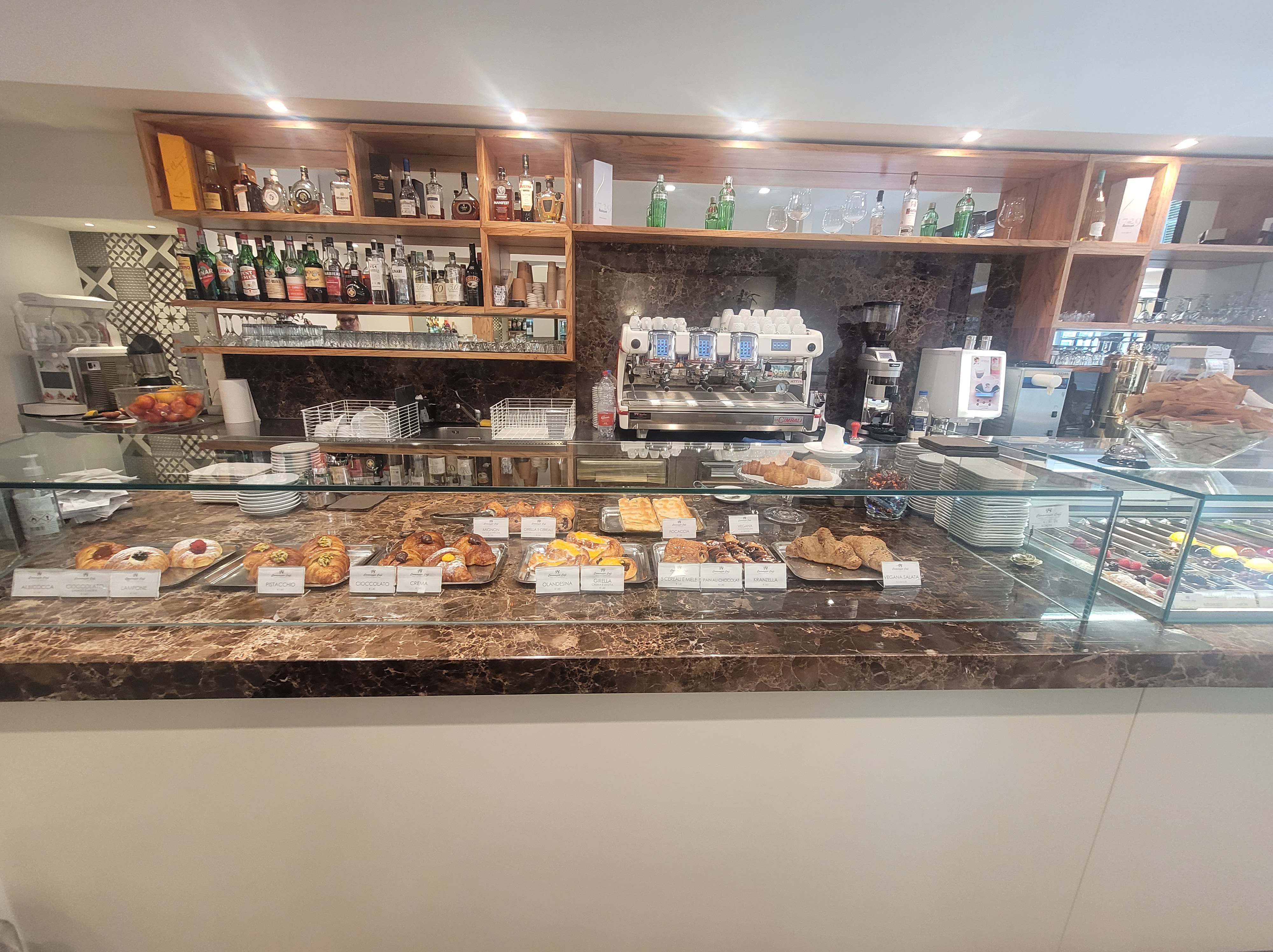
Back in Santa Margarita de Ligure, we had time to find a place for lunch. We found a charming shop that served as a bar/cafe/lunch spot. We all tried various paninis and coffee and admired the dessert counter!
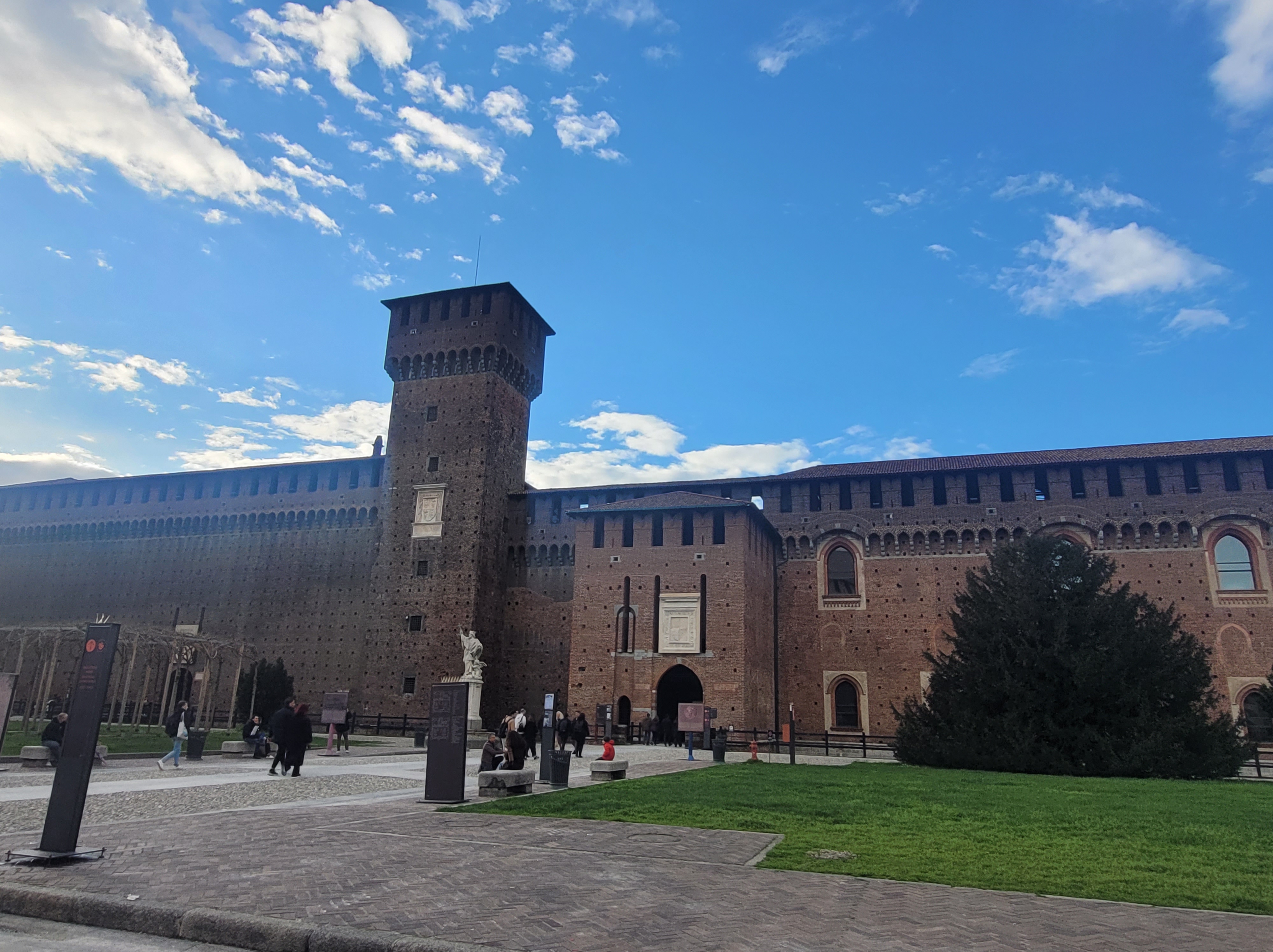
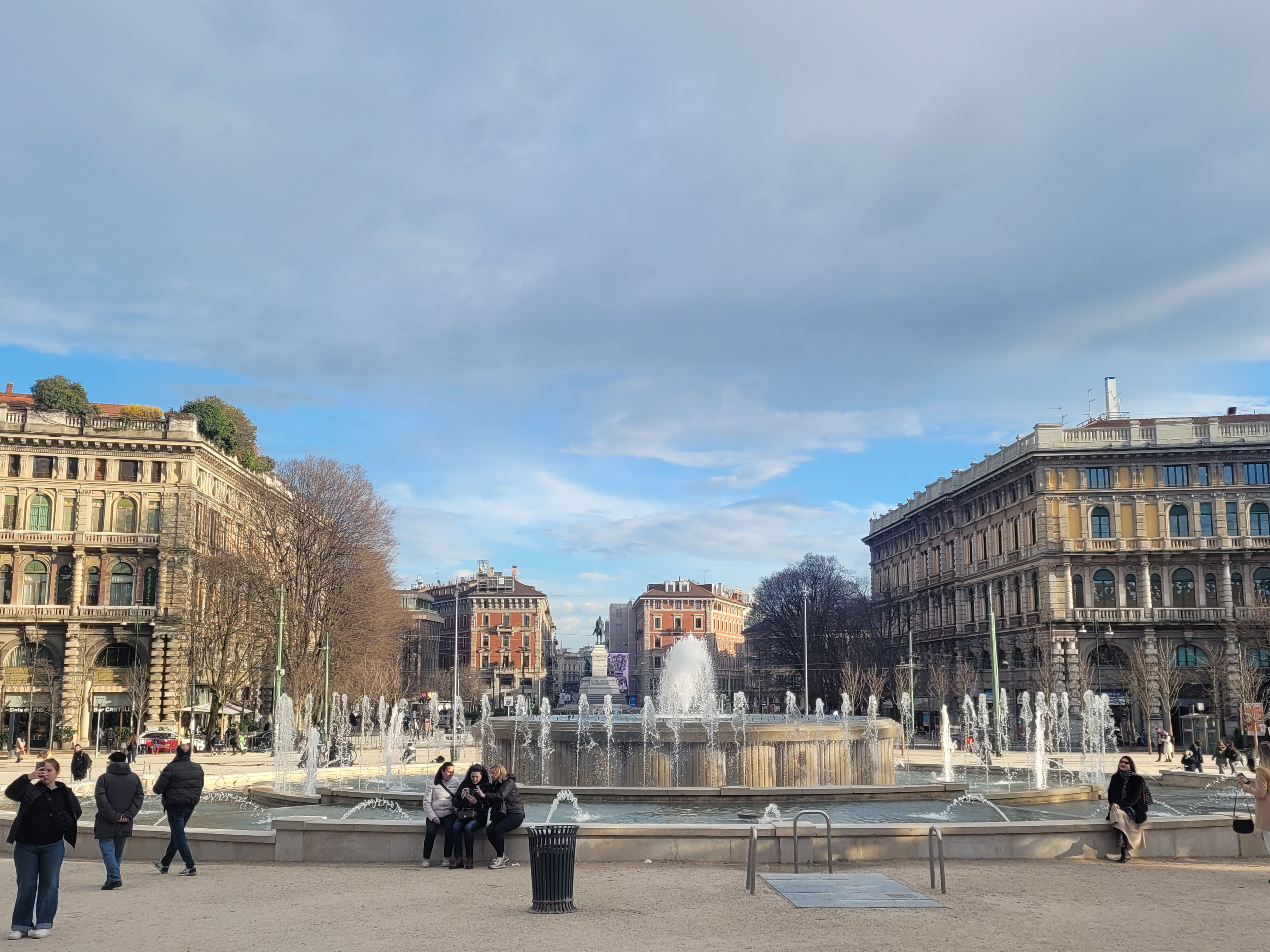
We had time to nap on our next two-hour stint on the bus to Milan. Parking outside a huge military fortification, we learned that the structure before us had been turned into four different museums. We walked in the gate, through the open courtyard, and beyond the fountain.
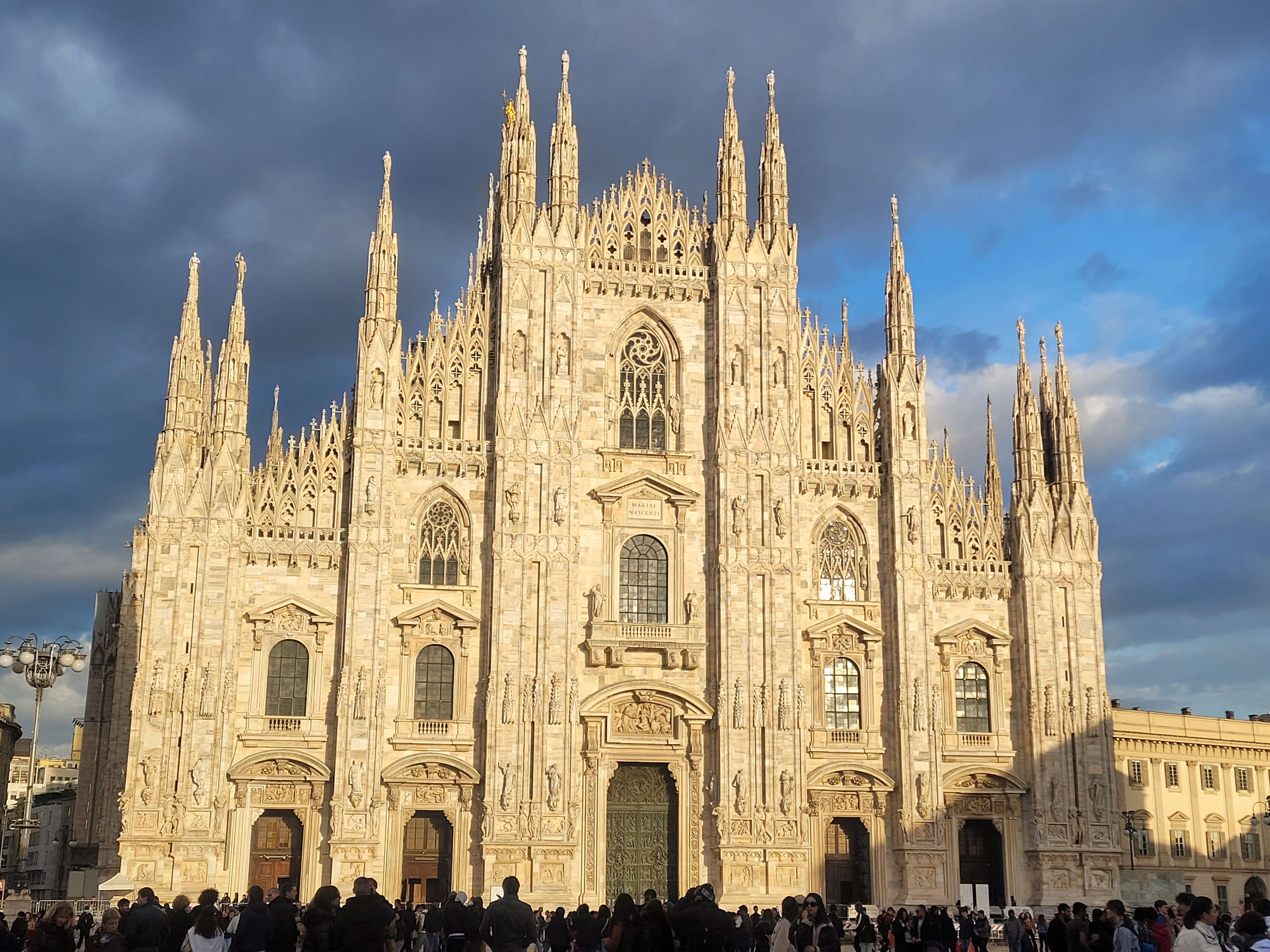
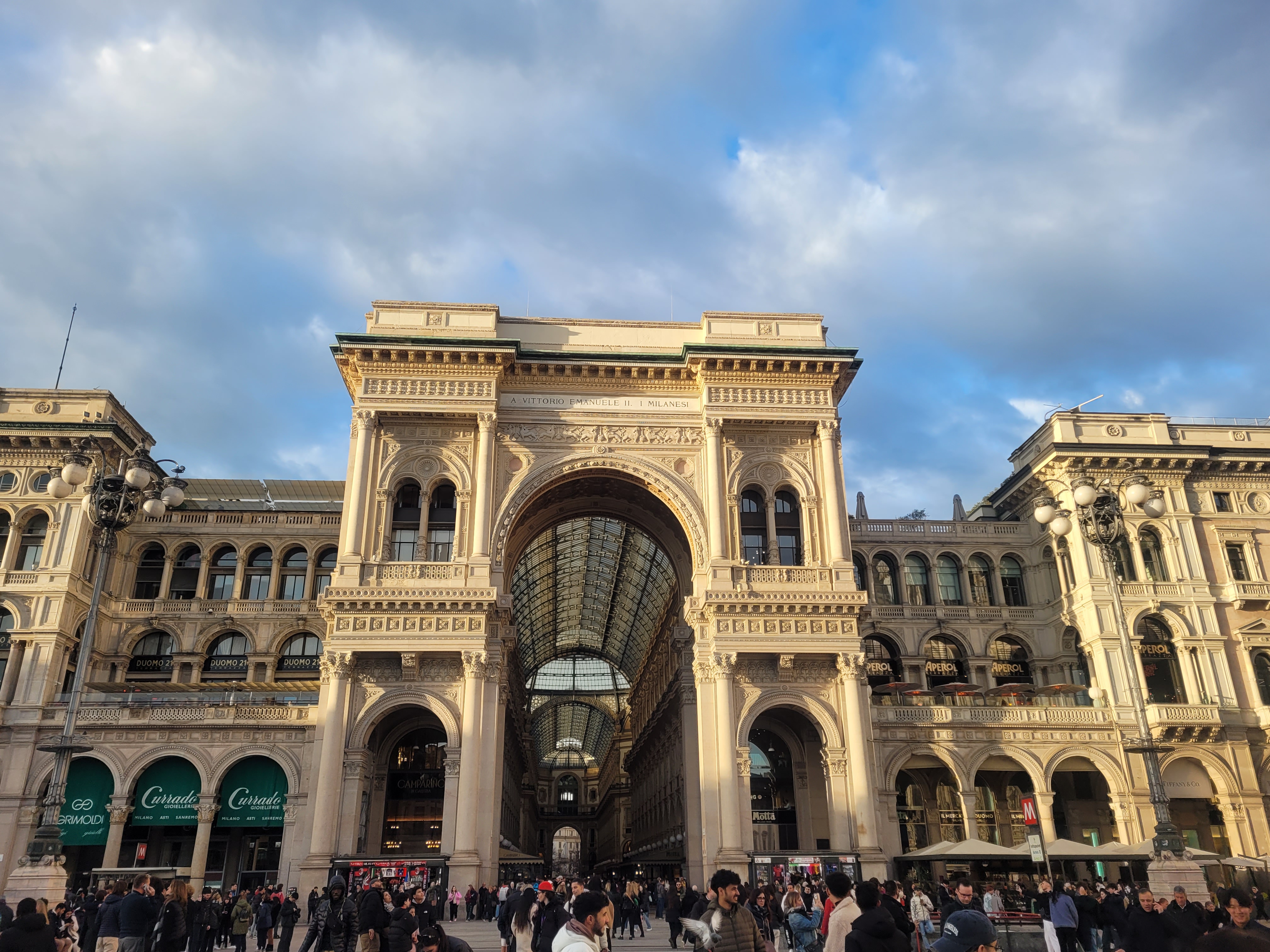
After crossing a busy street, we saw the square and the Duomo iconic to the city, which appeared to glow in the afternoon sun.
The megastructure to the left was once a collection of individual retailers that had been connected to shield shoppers from the elements. Now, a larger-than-life canopy covers this shopping mall area.
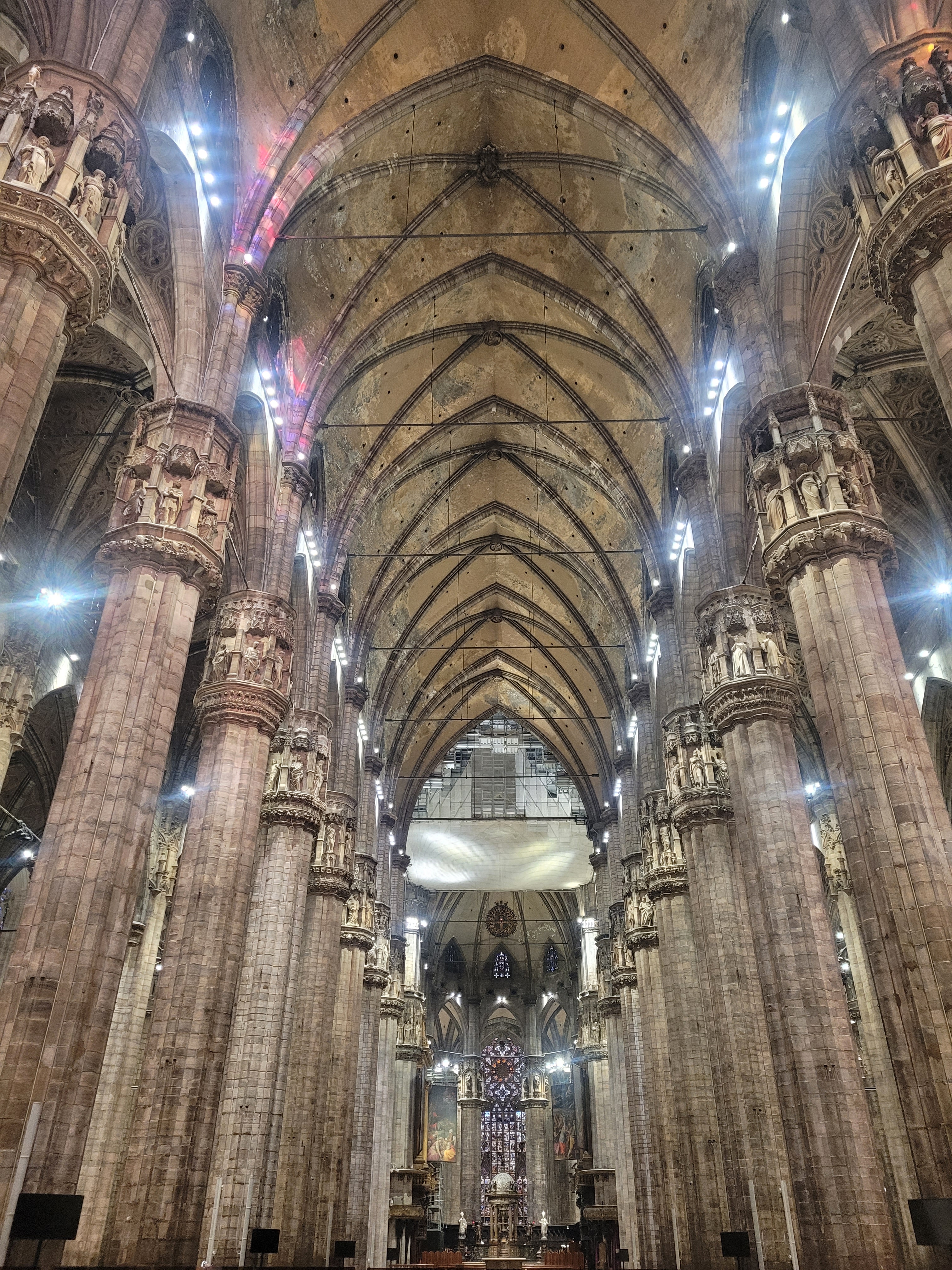
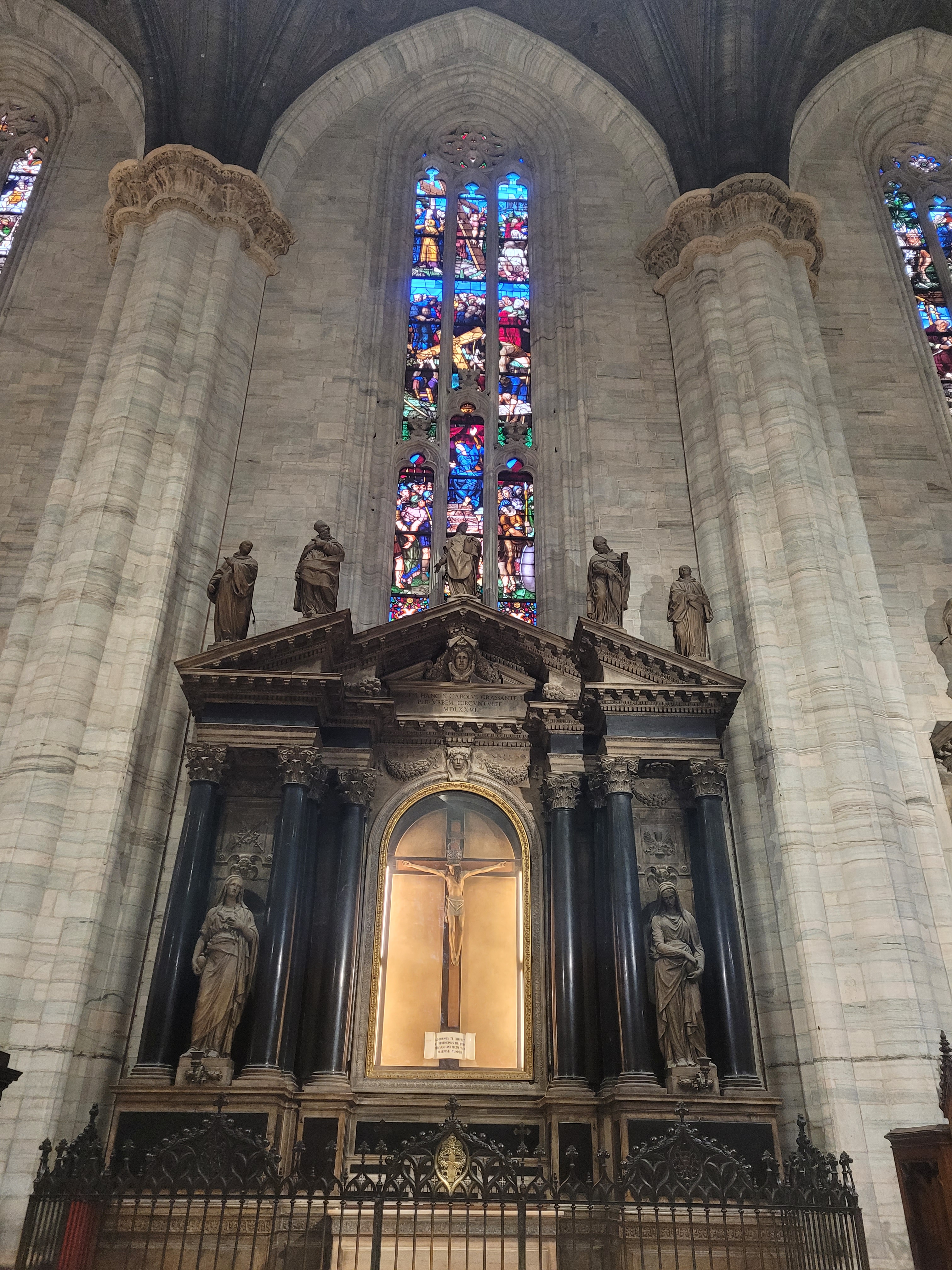
I was the only one who wanted to visit the church, so I stopped at the ticket office to get my entrance pass. The ticket cost eight euros and this amazing structure did not disappoint. Since the others were waiting for me, I took about 15 minutes to stroll around and snap a few pictures before meeting the group and picking out some dinner from a street vendor.
It was another long day, but we had sunny skies and amazing scenery!




 EXPOSED LATITUDES